
Technical Guide: How Limiting Speed and Temperature Range Affect Miniature Bearing Selection
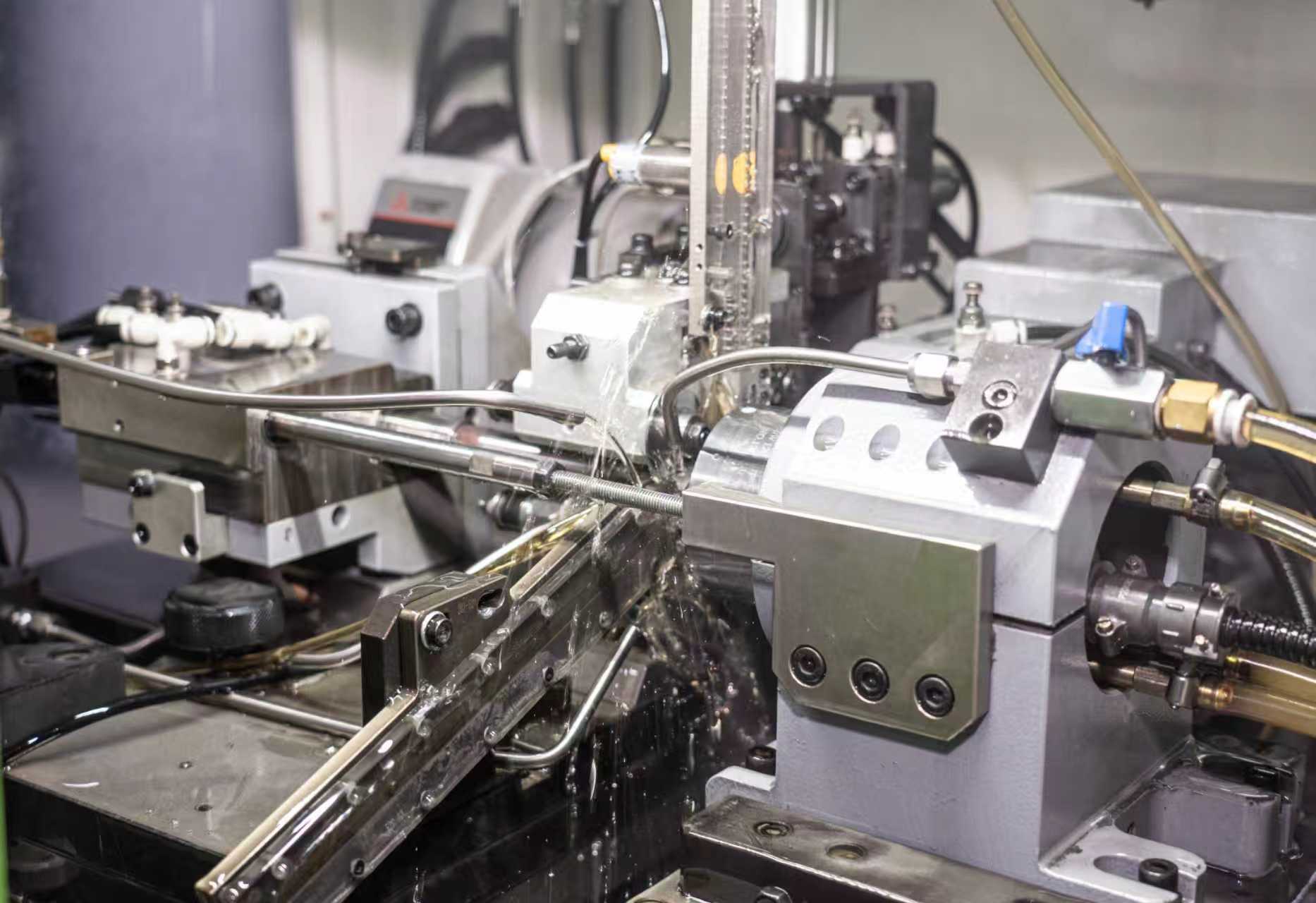
Figure 1: P4 miniature bearings are verified for dimensional and geometric accuracy on the VMS-2010F inspection workstation before shipment.
Limiting speed and operating temperature range decide whether a miniature bearing survives inside a high-speed assembly or degrades early. In the INB P4 precision portfolio, two limiting-speed classes are used — 200,000 rpm and 350,000–400,000 rpm — and two operating temperature windows are used — −40 °C to 150 °C and −50 °C to 160 °C. These values are attached to specific models, not to the category as a whole.
Because of that, selecting a miniature bearing means matching both parameters to the real duty cycle of the equipment, rather than matching the bore and outer diameter alone. This guide explains what each parameter physically represents, how it interacts with material and lubrication, and how to map a requirement to a specific INB model for dental handpieces, micro-motors and comparable precision equipment.
Why Speed and Temperature Cause Most Miniature Bearing Selection Failures
A miniature bearing chosen only by dimensions can be dimensionally correct and still be wrong for the application. Bore, outer diameter and width define whether the bearing fits; limiting speed and temperature range define whether it keeps running.
Four failure patterns appear repeatedly when these two parameters are treated as secondary:
- Over-speeding. Running a bearing above its rated limiting speed increases centrifugal loading on the cage and raises the risk of ball skidding rather than rolling, which accelerates wear.
- Thermal fatigue and overheating. When the operating temperature exceeds the design window, internal clearance changes and lubricant performance falls away.
- Premature wear and lubrication failure. Heat combined with speed stress breaks down the lubricant film, and metal-to-metal contact begins.
- Hidden mismatch. Two models with the same bore can carry different speed and temperature ratings, so an apparently equivalent replacement can fail in service.
The practical consequence is that the decision sequence should be inverted. Instead of choosing a size and then checking whether the rating is adequate, buyers should first fix the required speed and thermal envelope, then select the dimensions that fit inside it.
Market Context Behind Rising Demand for Rated Miniature Bearings
Demand for miniature bearings is increasingly driven by applications where speed and thermal exposure are continuous rather than occasional. Future Market Insights estimates the global miniature ball bearings market at approximately USD 2.25 billion in 2025, with medical devices and robotics among the demand drivers. Estimates differ between research firms: Precedence Research and IMARC Group publish higher and lower figures respectively for the same period, so the figure should be treated as an order of magnitude rather than an exact number.
Regional concentration is clearer. Precedence Research reports that Asia Pacific held roughly 60% of miniature ball bearing revenue in 2025, with China the largest regional producer and consumer. Supporting this, BearingNews and the Huajing Research Institute report that China's bearing exports grew 7.2% year-on-year in the first seven months of 2025, reaching nearly 497,852 tons, even as global unit pricing came under pressure.
On the application side, Precedence Research reports that the automotive segment held the largest share of the miniature bearing market in 2025 at approximately 39%, driven by EV motor and sensor applications. In high-precision and medical-adjacent segments, Intel Market Research lists MinebeaMitsumi, NSK, SKF and Schaeffler (Barden) among the major global manufacturers. These names matter to buyers because they establish the technical baseline that any quotation is measured against — not because they are interchangeable with every supplier in the market.
Two standards references frame the technical vocabulary. Miniature bearing precision is governed by systems including ABMA ABEC (grades 1–9), ISO 492 (P0–P2) and DIN 620, where tighter tolerance classes correspond to higher precision. SKDIN's engineering guide identifies stainless steel 440C as the primary material for miniature bearings used in medical and food-processing applications because of its resistance to moisture and chemical exposure.
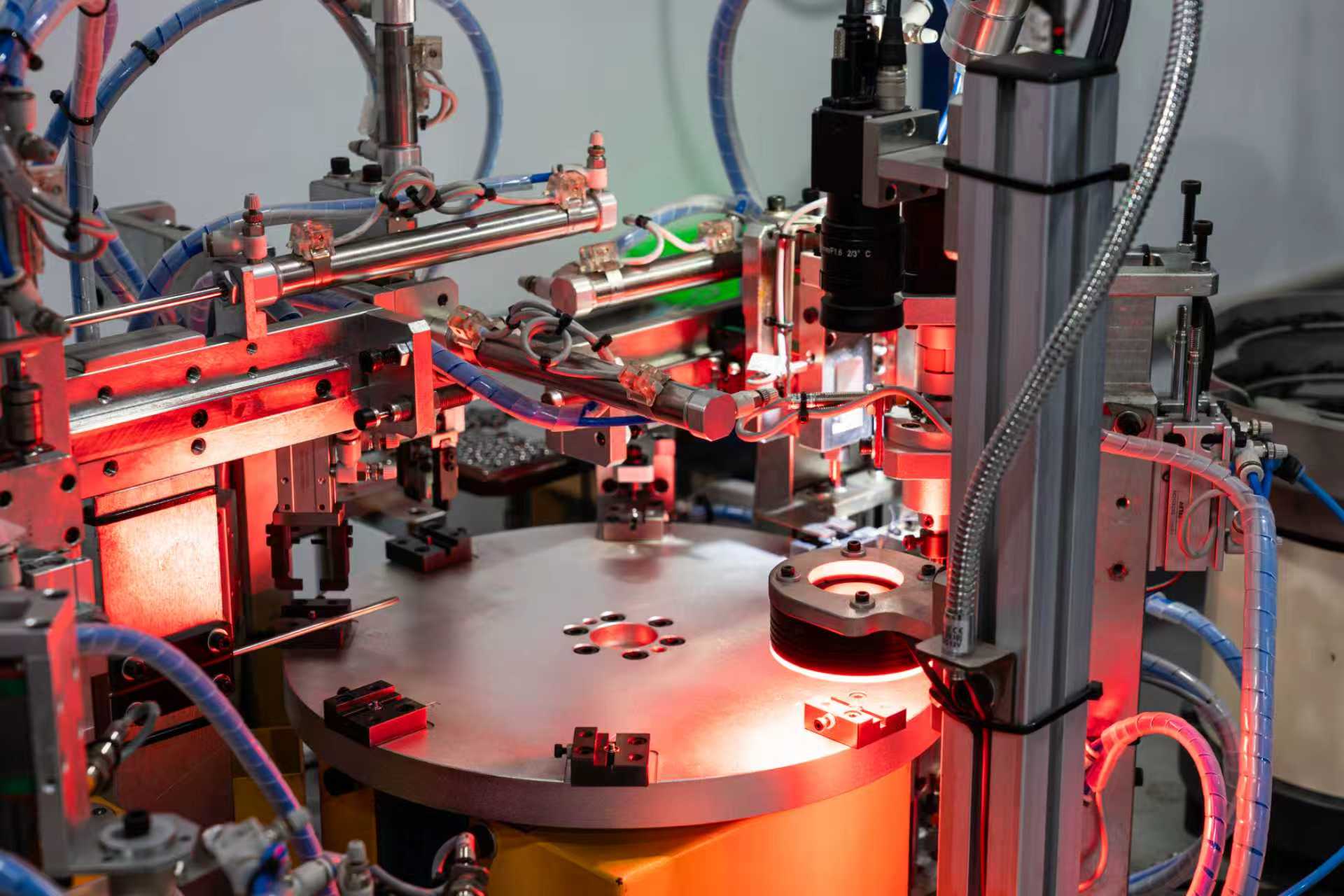
Figure 2: Precision machining of miniature bearing rings is controlled on an intelligent CNC processing centre.
What "Limiting Speed" Physically Represents
Limiting speed is the maximum rotational speed at which a bearing is intended to operate under defined conditions. It is not a single material property. It is the outcome of several design factors working together:
- Cage design and material — the cage must stay stable under centrifugal load at high rpm.
- Ball complement and internal geometry — these determine whether balls roll predictably or begin to skid.
- Lubricant type and fill — high-speed operation shortens lubricant life faster than low-speed operation.
- Precision grade — tighter tolerance classes reduce vibration and heat generation at speed.
- Thermal management — heat generated at speed must be able to leave the bearing.
This is why the same nominal bore size can appear in two different speed classes. In INB's portfolio, the two classes are separated by roughly a factor of two: the 200,000 rpm class covers compact models such as SR133TL (2.38 × 4.762 × 2.38 mm) and SMR74TL (4 × 7 × 2 mm), while the 350,000–400,000 rpm class covers models such as SMR144ZTLP4 W2.38 and SR144ZTLP4 W2.78 (both 3.175 × 6.35 mm bore/OD).
Selection rule: Treat limiting speed as a ceiling, not a target. A bearing specified at 200,000 rpm is not a substitute for a 350,000–400,000 rpm model in a handpiece turbine simply because the bore matches.
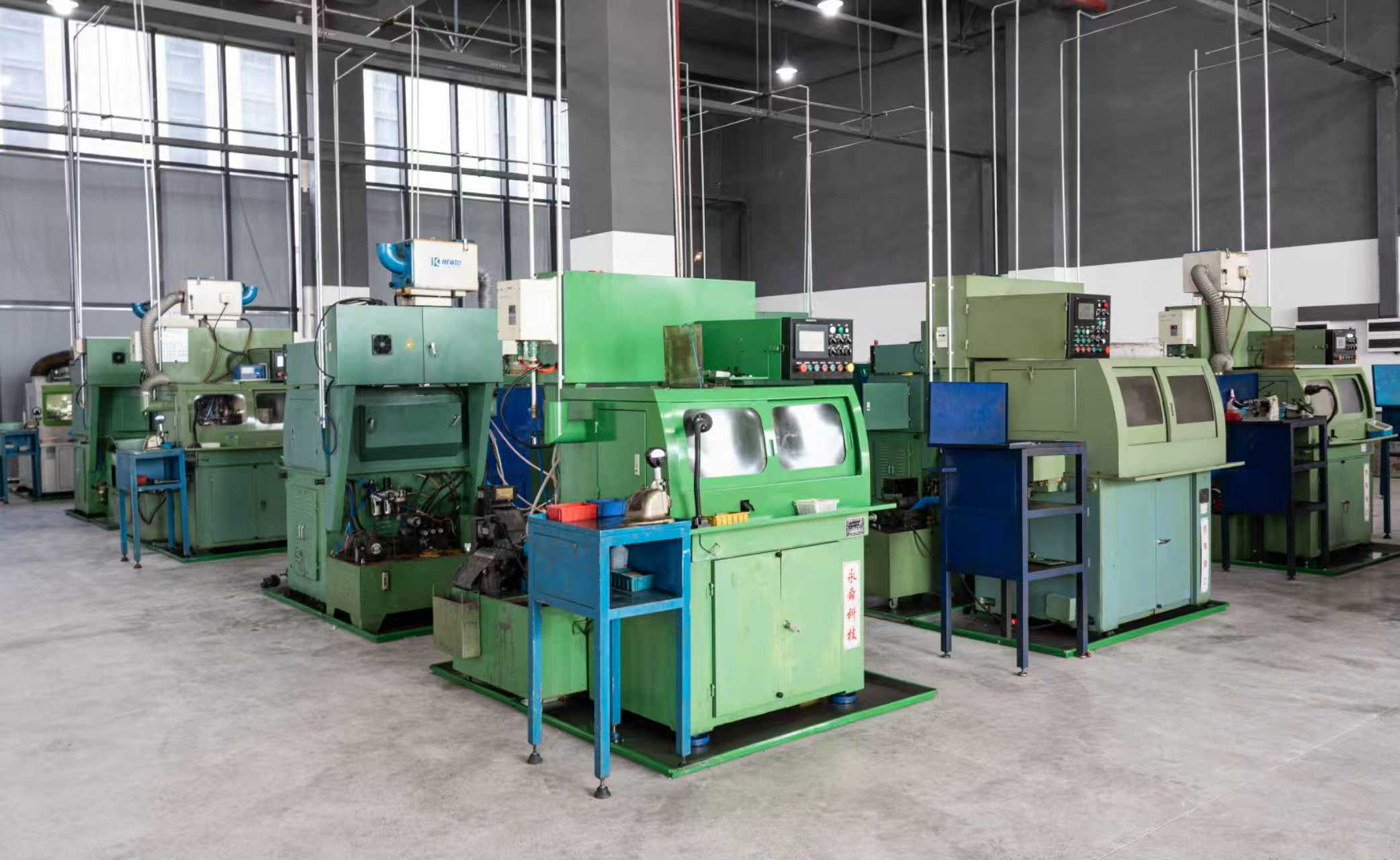
Figure 3: Thermal behaviour during machining is controlled with cooling liquid; the same thermal discipline applies to bearing selection for high-speed duty.
How Operating Temperature Range Changes Bearing Behaviour
The operating temperature range states the window in which the bearing is designed to function. Outside that window, four mechanisms change:
- Internal clearance shift. Differential thermal expansion between rings and balls changes the fitted clearance, which affects both running torque and load capacity.
- Lubricant behaviour. Lubricant viscosity and base-oil stability are temperature dependent; persistent heat accelerates lubricant degradation and shortens relubrication or service intervals.
- Material stability. Ring and ball hardness must be retained across the full window, which is why medical-grade miniature bearings are commonly produced in 440C stainless steel.
- Clearance recovery. A bearing that operates near the upper edge of its window has less margin to absorb transient heat spikes during start-up.
The two INB temperature windows map onto the two speed classes. The 200,000 rpm class (SR133TL, SMR74TL) is rated from −40 °C to 150 °C. The 350,000–400,000 rpm class (SMR144ZTLP4 W2.38, SR144ZTLP4 W2.78) is rated from −50 °C to 160 °C. The wider window on the higher-speed models is consistent with the higher heat generation expected at those speeds.
INB's P4 Portfolio Mapped to Speed and Thermal Requirements
INB is the bearing brand established in 2014 by Ningbo Yuhang Bearing Co., Ltd. (Ningbo City Jingyin Electromechanical Technology Co., Ltd.), a Ningbo-based bearing enterprise integrating production and sales. The company produces high-precision standard bearings with inner bore diameters from 2 mm to 8 mm in precision grades from P6 to P4, and operates in accordance with the ISO9001 quality management system. Its products mainly serve the medical device industry and micro-motor applications.
Within that range, the miniature bearing models relevant to speed and thermal selection are all P4 grade and all use SUS440 stainless steel:
- SMR144ZTLP4 W2.38 — 3.175 × 6.35 × 2.38 mm, limiting speed 350,000–400,000 rpm, −50 °C to 160 °C.
- SR144ZTLP4 W2.78 — 3.175 × 6.35 × 2.78 mm, limiting speed 350,000–400,000 rpm, −50 °C to 160 °C.
- SR133TL — 2.38 × 4.762 × 2.38 mm, limiting speed 200,000 rpm, −40 °C to 150 °C.
- SMR74TL — 4 × 7 × 2 mm, limiting speed 200,000 rpm, −40 °C to 150 °C.
Among these, the SMR144ZTLP4 family is documented in INB's comparison data against the SMR144Z reference as combining high rotational speed, low noise below 20 dB, long service life and a cost position approximately 10% lower, with dental handpieces identified as the primary application.
The portfolio also carries specific engineering safeguards against the two failure modes discussed above. For over-speeding risk, INB applies a built-in mechanical speed limiter, a high-precision Hall effect speed sensor, 100% speed performance validation before shipment, and compliance with medical device speed safety standards. For thermal fatigue, INB uses high-temperature-resistant bearing material selection, an optimised heat conduction structure, a real-time temperature monitoring module, and thermal cycle life testing across the −50 °C to 160 °C range.
Step-by-Step: Matching a Model to a Real Duty Cycle
Step 1 — Establish the true continuous speed, not the peak
Identify the sustained operating speed of the assembly, then check it against the model's limiting speed. A high-speed dental handpiece turbine operates in a different regime from a micro-motor that only reaches high rpm in short bursts.
Step 2 — Define the full thermal exposure
Record both the steady-state operating temperature and the peak reached during start-up, sterilisation or duty cycling. If peaks approach the upper limit of the −40 °C to 150 °C window, the −50 °C to 160 °C models provide more headroom.
Step 3 — Confirm the speed class before the dimensions
Select the 200,000 rpm class or the 350,000–400,000 rpm class first. Only then check which of the available bore, outer diameter and width combinations fit the housing.
Step 4 — Verify material and lubrication compatibility
All four models use SUS440 stainless steel, consistent with the 440C material convention for medical and moisture-exposed applications. INB additionally applies medical-grade permanent lubricant filling and a fully sealed labyrinth structure to control wear rate and lubrication loss.
Step 5 — Validate before volume commitment
INB applies 100% factory inspection and 100% speed performance validation before shipment. Buyers should review this inspection documentation against the declared speed and temperature ratings for the specific model ordered.
Application Use Cases
High-speed dental handpiece turbines
The 350,000–400,000 rpm class is aimed at this application. The 3.175 × 6.35 mm bore/OD format of SMR144ZTLP4 W2.38 and SR144ZTLP4 W2.78, combined with the −50 °C to 160 °C window and sub-20 dB noise characteristics, addresses the two dominant constraints in handpiece design: rotational speed and heat build-up during repeated sterilisation and use cycles.
Micro-motors and compact precision assemblies
The 200,000 rpm class serves applications where the bore envelope is small and thermal exposure is moderate. SR133TL offers a 2.38 mm bore in a 4.762 mm outer diameter, while SMR74TL provides a 4 mm bore in a 7 mm outer diameter — both rated −40 °C to 150 °C. INB's products mainly serve the medical device industry and micro-motors, which is where these two smaller formats most often appear.
Equipment requiring documented speed safety
For assemblies that must demonstrate speed-limiting behaviour, the combination of a built-in mechanical speed limiter, Hall effect speed sensing and pre-shipment speed validation gives buyers a traceable basis for their own risk documentation.
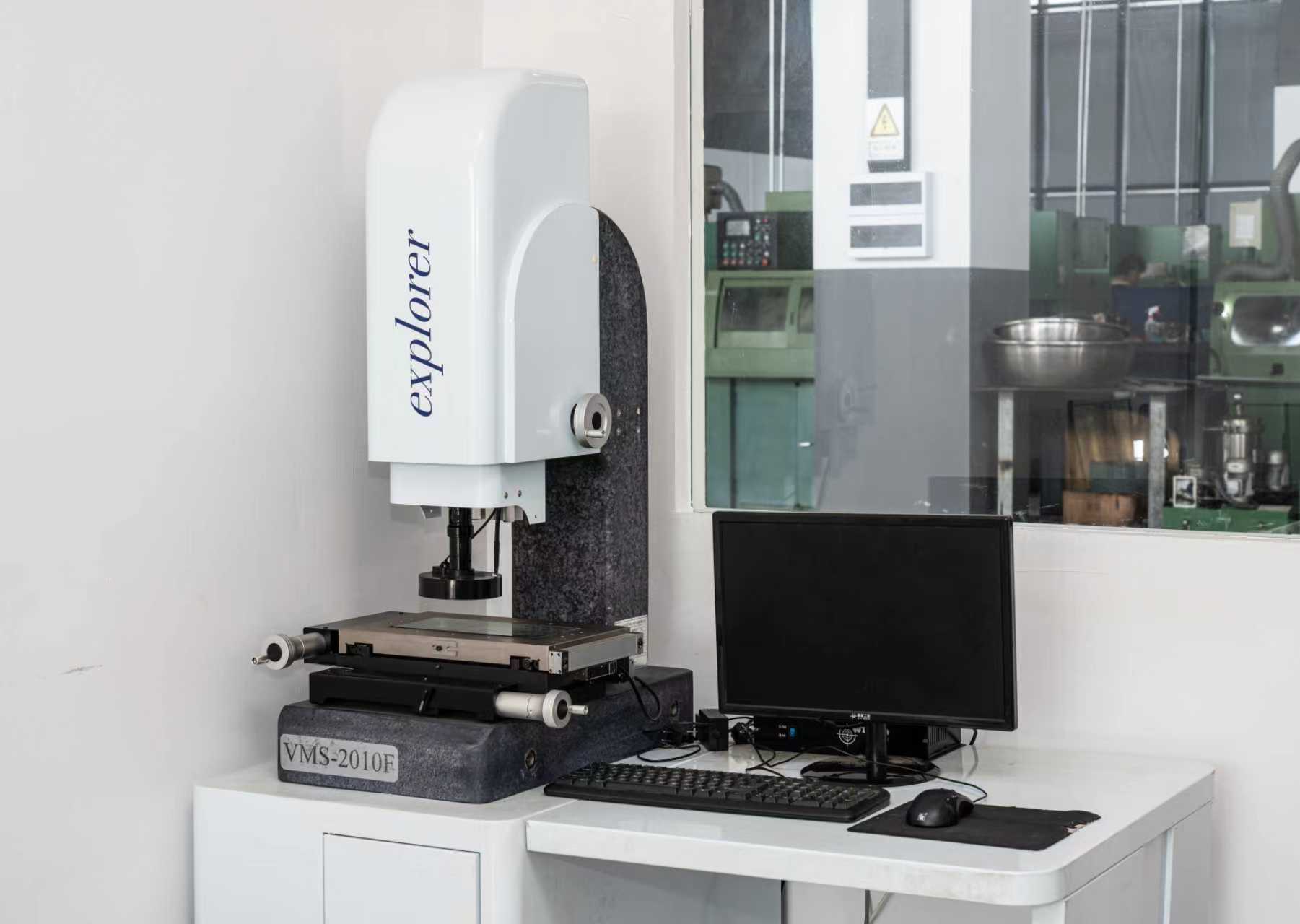
Figure 4: Consistent machine setup across the CNC line supports repeatable tolerances in the P6–P4 precision range.
Miniature Bearing Comparison Table
The table below compares the four P4 models by the two parameters this guide focuses on. All values are the declared specification for each model.
| Model | Bore × OD × Width (mm) | Precision | Limiting Speed | Operating Temperature | Material | Typical Focus |
|---|---|---|---|---|---|---|
| SMR144ZTLP4 W2.38 | 3.175 × 6.35 × 2.38 | P4 | 350,000–400,000 rpm | −50 °C to 160 °C | SUS440 | Dental handpiece, high-speed duty |
| SR144ZTLP4 W2.78 | 3.175 × 6.35 × 2.78 | P4 | 350,000–400,000 rpm | −50 °C to 160 °C | SUS440 | Dental handpiece, high-speed duty |
| SR133TL | 2.38 × 4.762 × 2.38 | P4 | 200,000 rpm | −40 °C to 150 °C | SUS440 | Compact medical and micro-motor assemblies |
| SMR74TL | 4 × 7 × 2 | P4 | 200,000 rpm | −40 °C to 150 °C | SUS440 | Micro-motor and compact precision assemblies |
Read the table as two decision layers. The speed column separates the models into two groups; the temperature column reinforces the same split. Width differs between SMR144ZTLP4 W2.38 and SR144ZTLP4 W2.78 at identical bore, outer diameter and ratings — a wider section for greater load capacity, a narrower section for space-constrained housings.
Frequently Asked Questions
1. Is INB certified, and how are speed safety limits verified?
INB operations are carried out strictly in accordance with the ISO9001 quality management system, and the company produces high-precision standard bearings in precision grades from P6 to P4 with bore diameters from 2 mm to 8 mm. On the speed side, INB applies a built-in mechanical speed limiter, a high-precision Hall effect speed sensor, 100% speed performance validation before shipment, and compliance with medical device speed safety standards. On the thermal side, INB runs thermal cycle life testing across the −50 °C to 160 °C range.
2. Can INB cover a specific limiting-speed and temperature requirement?
INB's miniature bearing range is organised around two declared speed and temperature classes: 200,000 rpm with −40 °C to 150 °C (SR133TL, SMR74TL) and 350,000–400,000 rpm with −50 °C to 160 °C (SMR144ZTLP4 W2.38, SR144ZTLP4 W2.78). All four models are P4 precision grade in SUS440 stainless steel. Buyers should match their continuous operating speed and peak thermal exposure to these two classes before matching dimensional fit.
3. What affects the cost of a high-speed miniature bearing, and what is the minimum order quantity?
Cost is driven mainly by the speed and precision class, the stainless steel material, the lubricant system and the level of pre-shipment inspection — the higher-speed, wider-temperature models carry more demanding requirements than the 200,000 rpm class. In INB's comparison data against the SMR144Z reference, the SMR144Z-class bearing is documented with a cost position approximately 10% lower. INB's procurement terms for these models are a minimum order quantity of 50 units, FOB delivery, 100% factory inspection for acceptance, and payment before shipment.
4. How can a buyer validate a model before volume production?
Validation should follow the parameters, not the catalogue photo. Confirm the declared limiting speed and operating temperature window for the exact model, then review the 100% factory inspection record and the pre-shipment speed performance validation that INB issues for that model. Because the minimum order quantity is 50 units, buyers can begin with a small evaluation quantity sized around a real duty cycle — including start-up peaks and, where relevant, sterilisation exposure — rather than a full production volume.
5. What production capacity and delivery terms support long-term supply?
INB's monthly production capacity is 500,000 units, with annual output of 6,000,000 units, produced in a 2,000 m² facility. Delivery is FOB, acceptance is based on 100% factory inspection, and payment is made before shipment. For distributors and OEM buyers planning long-term programmes, these figures determine how much buffer can be carried against demand swings across the two speed classes. To discuss a specific model, request a quotation, or arrange an evaluation quantity, contact INB directly at yuhang001@126.com or via WhatsApp at +86 18957446001.
Specify the right miniature bearing for your speed and thermal envelope
Send INB your continuous operating speed, peak temperature and mounting dimensions. The engineering team will indicate which P4 model class fits — 200,000 rpm at −40 °C to 150 °C, or 350,000–400,000 rpm at −50 °C to 160 °C — and confirm the specifications for your application.
Email: yuhang001@126.com · WhatsApp: +86 18957446001 · Web: www.lnb-brg.com
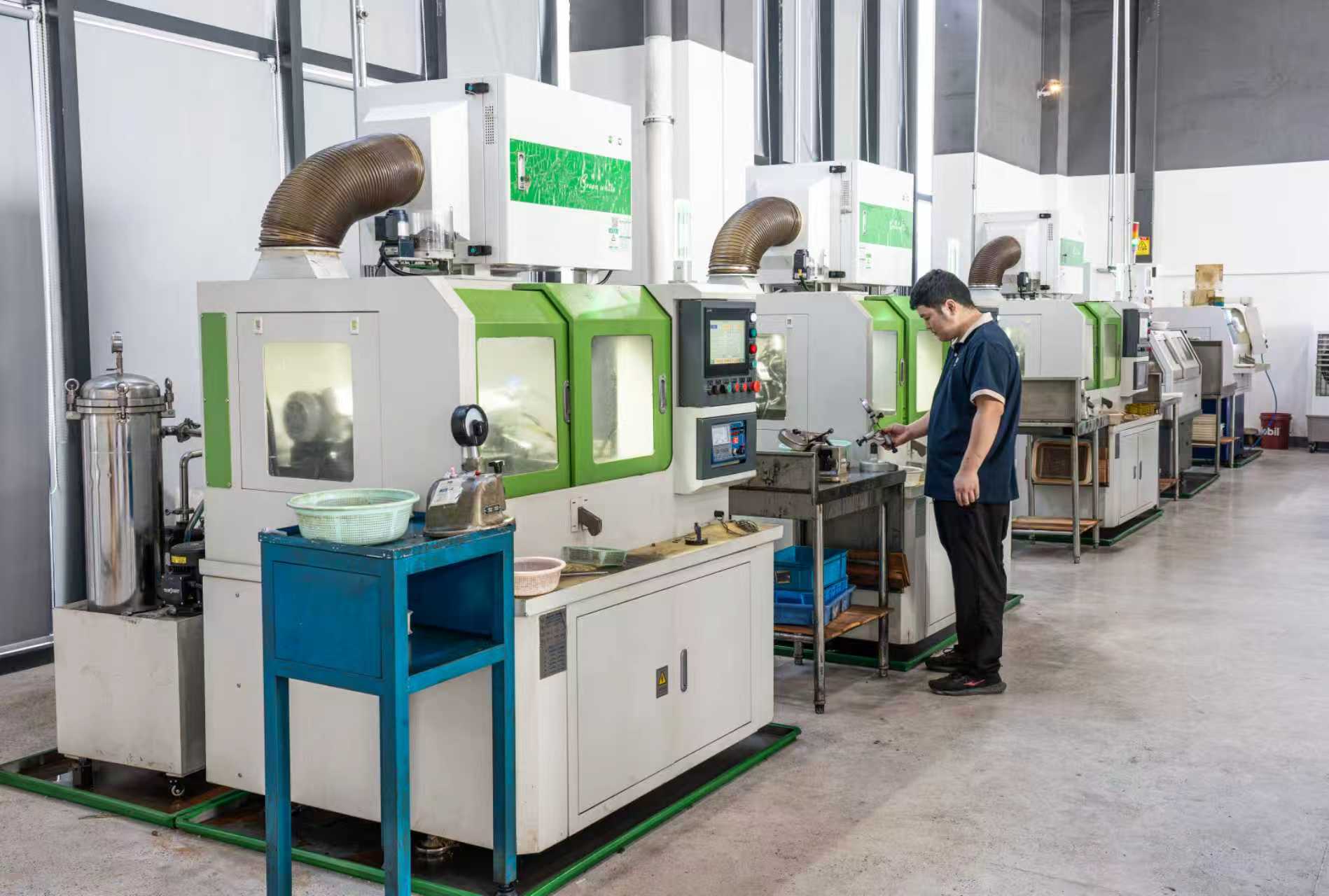
Figure 5: Automated assembly supports the 500,000 unit monthly production capacity that underpins long-term supply programmes.
Conclusion
Limiting speed and operating temperature range are not secondary checks on a miniature bearing datasheet — they are the primary filter. In INB's P4 portfolio, the split is explicit: 200,000 rpm models rated −40 °C to 150 °C (SR133TL, SMR74TL) and 350,000–400,000 rpm models rated −50 °C to 160 °C (SMR144ZTLP4 W2.38, SR144ZTLP4 W2.78), all in SUS440 stainless steel.
The practical sequence for Decision and Execution stage buyers is therefore simple. Fix the continuous speed and the peak thermal exposure first. Choose the matching speed class second. Only then select the bore, outer diameter and width that fit the housing. Verify the declared ratings against the pre-shipment inspection and speed validation record, and start with an evaluation quantity sized to a real duty cycle before scaling to volume.
Have Questions or Need More Details?
Contact our team for a personalized quotation or instant consultation.
Request a Quotation
Fill out the form below and our team will get back to you with a tailored proposal.
WhatsApp Direct Chat
Prefer to chat in real-time? Message us on WhatsApp for instant assistance & quick answers.
- Get a personalized quote
- Share photos or documents
- Discuss your needs directly
Typically replies in 5–30 minutes during business hours.