
Navigating Import Regulations for Miniature Bearings: A Compliance Guide for Industrial Buyers
A miniature bearing shipment is rarely stopped at the border because the part is defective. It is stopped because the paperwork does not match the part. A 6.35 mm outer diameter bearing clears customs quickly when its material declaration is specific, its invoice model number matches its inspection record, and its precision claim is stated against a recognised scale. The same shipment stalls when the declaration says only “stainless steel,” or when the model number on the packing list is spelled differently from the one on the certificate.
For industrial buyers, import compliance is not primarily a legal exercise. It is a documentation alignment exercise. Four sets of records have to agree with each other and with the physical goods: material declaration, precision grade, model traceability, and inspection evidence. This guide explains what to request, what each document should contain, and how INB product data can be used as a working reference for the level of specificity a supplier should be able to provide.
Why Miniature Bearing Compliance Breaks Down So Easily
The compliance risk in miniature bearings is inversely related to their size. Small parts carry low unit values, short freight documents, and minimal visual presence in a shipment. That combination invites loose paperwork practices on both sides of the transaction.
Low value creates low scrutiny — until it matters
Miniature bearings are frequently classed as low-value components, so buyers often treat their import documentation as routine. But the same parts commonly sit inside medical devices and micro-motors, where traceability requirements downstream are stricter than the part’s price suggests. The documentation burden does not come from the bearing; it comes from what the bearing is installed into.
Vague material naming is the most common defect
Material declarations frequently fail at the grade level. A statement that reads only “stainless steel” identifies a family, not a specification, and it cannot be matched against a drawing or a purchasing requirement. Industry reference material identifies 440C stainless steel as the primary material for miniature bearings used in medical and food-processing applications because of its resistance to moisture and chemical exposure. INB product data is more specific still: its miniature bearings are made of SUS440 stainless steel. A buyer should expect the declaration to name the grade, not the category.
Precision grades are quoted without a standard
A precision claim without a standard is not verifiable. Global miniature bearing tolerances are governed by ABMA ABEC (grades 1 to 9), ISO 492 (classes P0 to P2), and DIN 620, and in the ABEC scale a higher number corresponds to tighter tolerances. When a supplier writes “P4” or “high precision” without stating which framework the number refers to, the buyer has no way to compare it against a drawing tolerance or a competitor’s offer. INB states a precision range from P6 to P4 for its high-precision standard bearings, and its miniature bearing models are rated P4.
Model numbers drift between documents
The third recurring failure is model mismatch. A bearing that leaves the factory as one model can arrive described as another because the invoice, packing list, and inspection record were produced by different people at different times. When a buyer later needs to trace a batch, the mismatch makes the record unusable.
Inspection records are separated from the batch
Dimension and roundness measurements are usually available somewhere in the supply chain, but they are often not tied to a specific production batch. A measurement sheet without a batch or date reference proves that the supplier can measure, not that it measured the goods being shipped.
The practical rule: every document in a miniature bearing shipment should be able to identify the part by model, the material by grade, the precision by class, and the batch by reference. If any one of those four identifiers is missing, the documentation package is incomplete regardless of how many pages it contains.
Industry Background: Why Documentation Expectations Keep Rising
The miniature bearing supply base is concentrated, export-oriented, and growing, which means buyers increasingly compare suppliers on records rather than on capability alone.
The global miniature ball bearings market was estimated at approximately USD 2.25 billion in 2025, driven by demand from medical devices and robotics, according to Future Market Insights. That figure should be treated as an order of magnitude rather than a precise number: market sizing for this category varies between research firms, and other published estimates place the same market at higher values. What is consistent across sources is the direction and the regional weight.
Asia Pacific dominated the miniature ball bearings market in 2025 with a revenue share of approximately 60%, with China as the largest regional producer and consumer, according to Precedence Research. China’s bearing exports grew 7.2% year-on-year in the first seven months of 2025, reaching nearly 497,852 tons, even as pressure on global unit pricing continued, according to BearingNews and the Huajing Research Institute.
On the supply side, the sector is led by a small group of global manufacturers. Intel Market Research identifies MinebeaMitsumi as dominant in small sizes, alongside NSK, SKF, and Schaeffler (Barden). For an importer, the implication is straightforward: the technical capability to make a miniature bearing is widely distributed, while the ability to document it consistently is not.
What this means for a purchase file
Because so much miniature bearing production is export-facing, document formats across suppliers tend to look similar. The difference sits in whether the supplier can produce records that are specific to the buyer’s model, material, and batch — or whether it can only produce generic statements that describe the product family.
What Buyers Should Request From Any Miniature Bearing Supplier
The documentation set for a miniature bearing import is short. Seven items cover the majority of what customs authorities, notified bodies, and downstream quality teams ask for. Each item below is paired with the INB product data that illustrates the expected level of detail.
1. A material declaration that names the grade
The declaration should state the specific stainless steel grade rather than a generic description. INB miniature bearings are made of SUS440 stainless steel, which is the grade that appears across its miniature bearing product line. Industry guidance for miniature bearings in medical and food-processing use points to 440C stainless steel as the standard choice because of moisture and chemical resistance, so a buyer should be able to map the declared grade against that expectation.
2. A precision statement tied to a recognised scale
INB miniature bearings carry a P4 precision rating. Because ABMA ABEC, ISO 492, and DIN 620 each number tolerances differently, the document should state both the grade and the system it belongs to. A supplier that can only say “high precision” is asking the buyer to accept an unverifiable claim.
3. Model-level traceability across every document
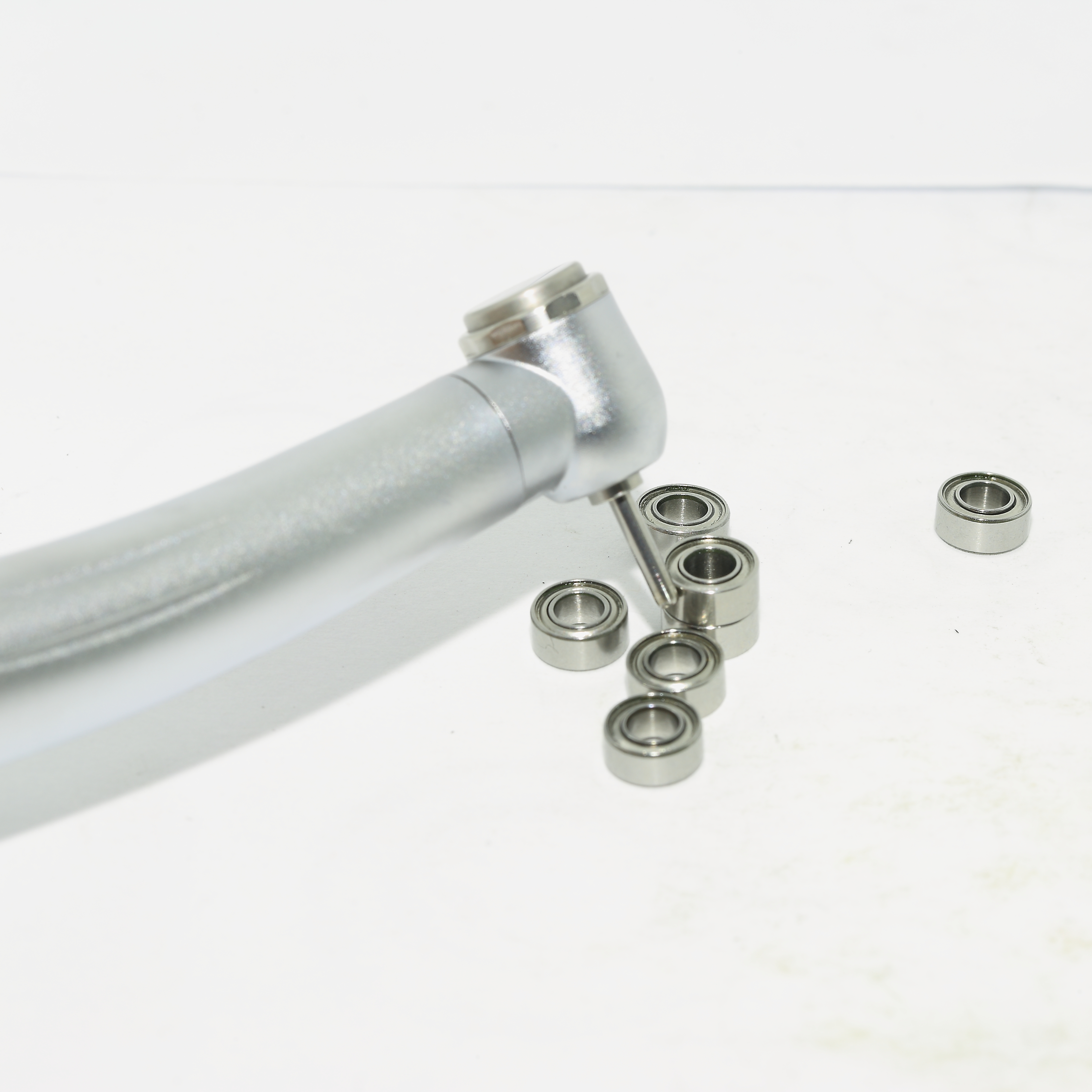
INB identifies its miniature bearings by model, including SMR74TL, SR133TL, SR144ZTLP4 W2.78, and SMR144ZTLP4 W2.38. The same model string should appear, character for character, on the commercial invoice, the packing list, the carton label, and the inspection record. Model strings that carry suffixes matter: SMR144ZTLP4 W2.38 and SR144ZTLP4 W2.78 are separate models with different widths, and treating them as interchangeable in a document set creates a traceability gap.
4. Dimensional records that can be checked against the drawing
Dimensions are the fastest way to confirm that the documents describe the goods in the box. INB publishes complete size data for each miniature bearing model, which is the level of detail a buyer should be able to obtain in writing before shipment.
5. Written performance limits
Speed and temperature limits are normally treated as engineering data, but they also serve a compliance function because they define the application the supplier is willing to stand behind. INB product data separates its miniature bearings into two performance groups: SMR74TL and SR133TL are rated to a limiting speed of 200,000 rpm with an operating temperature range of −40 °C to 150 °C, while SR144ZTLP4 W2.78 and SMR144ZTLP4 W2.38 are rated to 350,000–400,000 rpm with an operating temperature range of −50 °C to 160 °C.
6. Inspection evidence and the instruments behind it
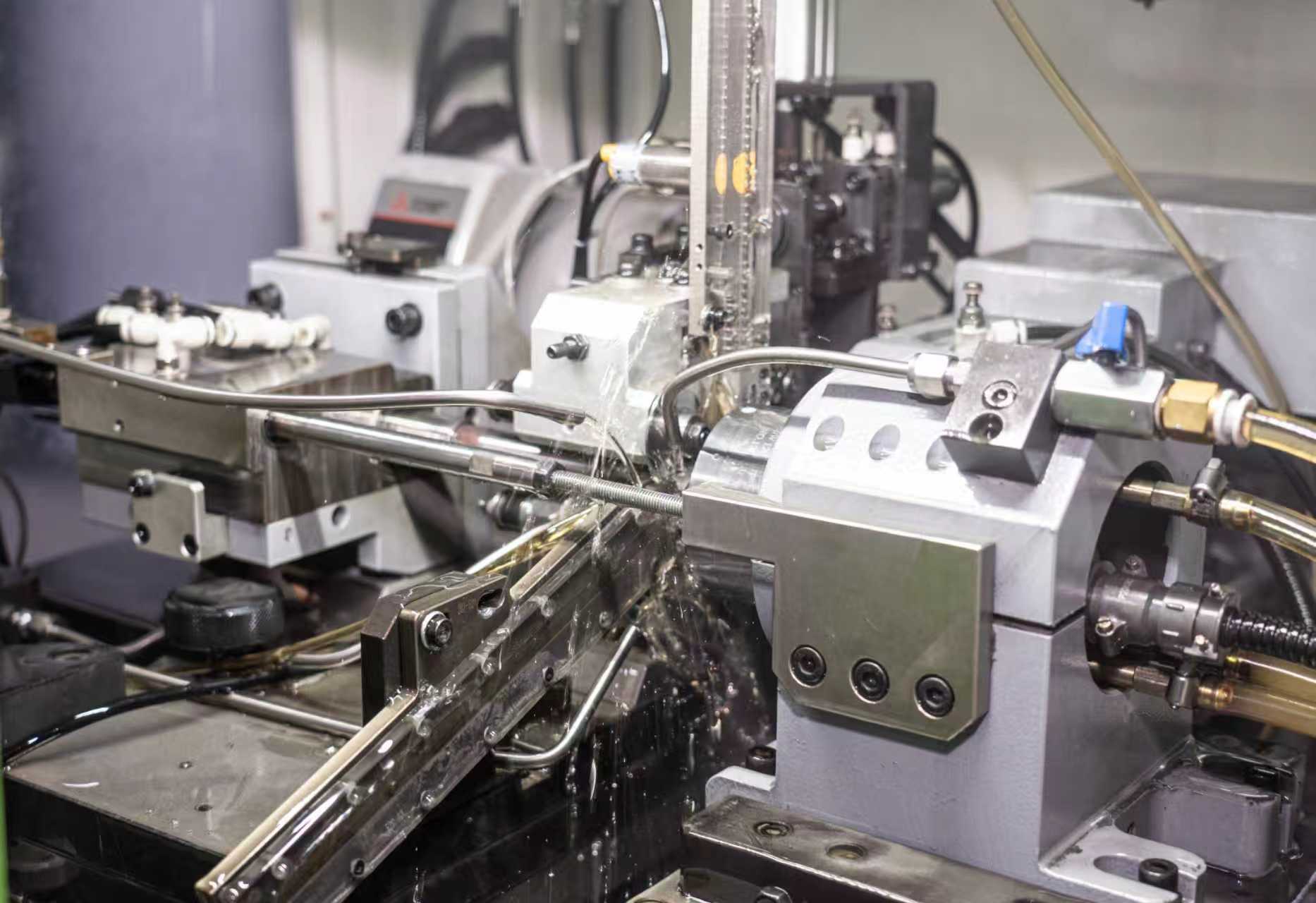
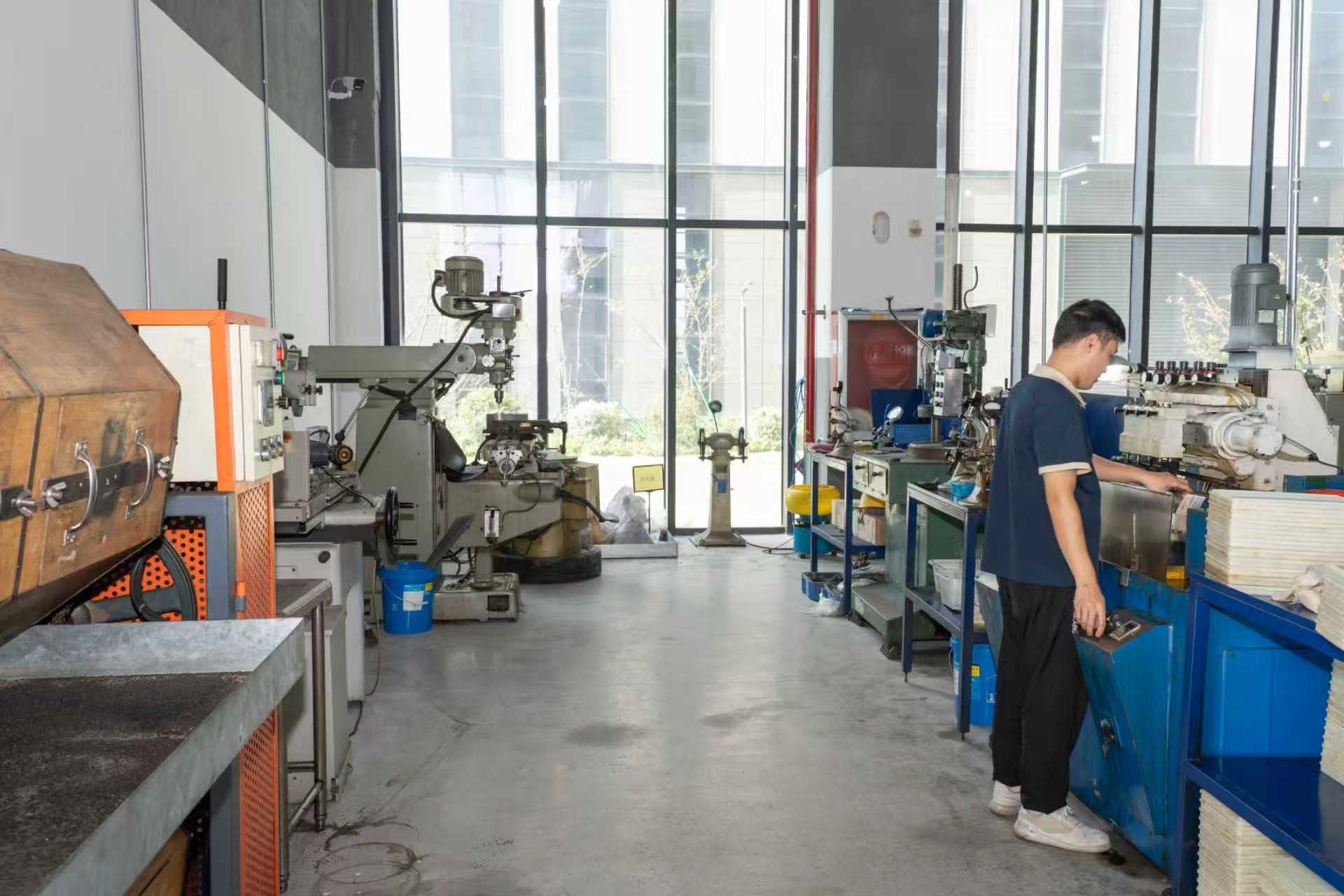
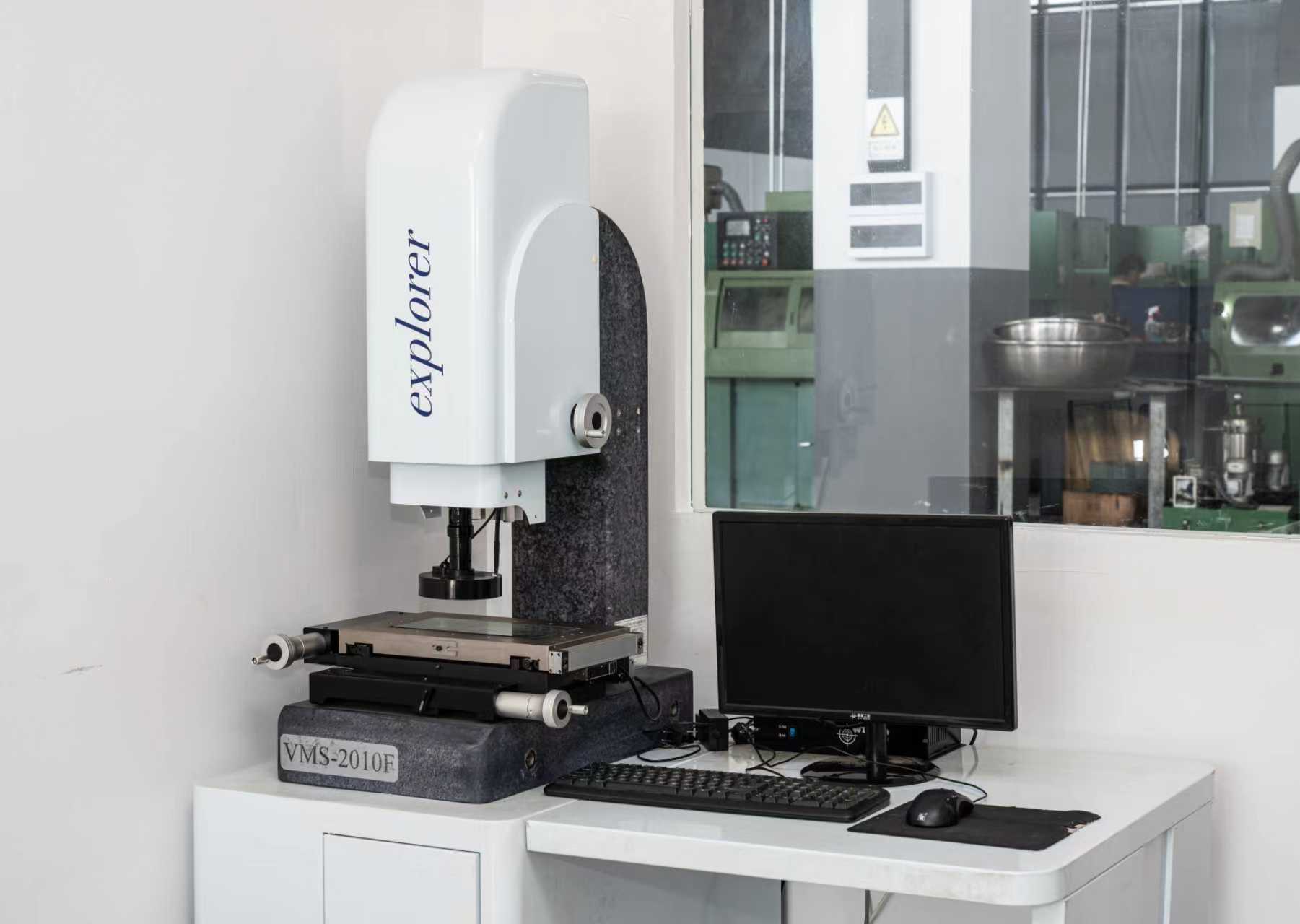
Buyers do not need a full metrology report on every shipment, but they should know what the supplier is capable of measuring and whether measurements are recorded per batch. INB operates a set of professional testing instruments that includes hardness testers, roundness meters, profilometers, roughness measuring equipment, and microscopes. Those instruments support the dimensional and surface checks that a documentation package is supposed to reference.
7. A quality management system reference
A system statement tells the buyer how records are controlled, which matters more than the wording of the certificate itself. INB states that its operations are carried out in accordance with the ISO9001 quality management system. Buyers should read this as a process statement about how production and records are governed, and should map it against their own supplier approval requirements.
Documentation checklist
| Document | What it should contain | INB reference example |
|---|---|---|
| Material declaration | Specific stainless steel grade | SUS440 |
| Precision statement | Grade plus the standard it is measured against | P4 |
| Model identification | Full model string, identical on all documents | SR144ZTLP4 W2.78 |
| Dimensional record | Bore, outer diameter, and width in millimetres | 3.175 × 6.35 × 2.78 mm |
| Performance limits | Limiting speed and operating temperature range | 350,000–400,000 rpm; −50 °C to 160 °C |
| Inspection evidence | Instruments used and the batch each record refers to | Hardness testers, roundness meters, profilometers, roughness measurement equipment, microscopes |
| Quality system reference | The process framework governing production and records | ISO9001 quality management system |
A Step-by-Step Approach to Building an Import File
The sequence below is written for a first order or a new supplier. On repeat orders, steps two through five can be reduced to a verification pass.
- Request the material declaration in writing before the order is placed. Ask for the grade, not the material family. If the answer comes back as “stainless steel,” ask again with the specific grade named in your requirement. INB answers this with SUS440.
- Fix the precision grade and the standard it refers to. Confirm the grade (for example, P4) and the framework it is expressed in. Reference frameworks for miniature bearings include ABMA ABEC, ISO 492, and DIN 620, and a grade number is only comparable once the framework is known.
- Align the model string across every document. Take the model exactly as the supplier states it — for example, SMR144ZTLP4 W2.38 — and check it against the invoice, packing list, carton label, and inspection record. A single character difference is enough to break batch traceability.
- Cross-check dimensions and performance limits against your drawing. Dimension data and rated limits should be supplied in writing, not left in email correspondence. Confirm bore, outer diameter, and width, then confirm the limiting speed and operating temperature range.
- Ask what is measured per batch, and how it is recorded. The useful question is not “do you test?” but “which measurements are recorded for each batch, and how are those records linked to the model and date?” This is where instrument lists such as hardness testers, roundness meters, profilometers, roughness measurement equipment, and microscopes become relevant.
- Reconcile the commercial documents against the technical ones. The commercial invoice, packing list, and any origin documentation should describe the same model, quantity, and description that appear on the technical record. Commercial and technical files are usually generated by different departments, which is why mismatches originate there.
- File the received goods against the documentation set. Keep at least one physical sample or photograph from the received batch alongside the paperwork so a future query can be answered without re-opening the shipment.
Use Cases: Where Documentation Failures Cost the Most
Dental handpieces and medical device assembly
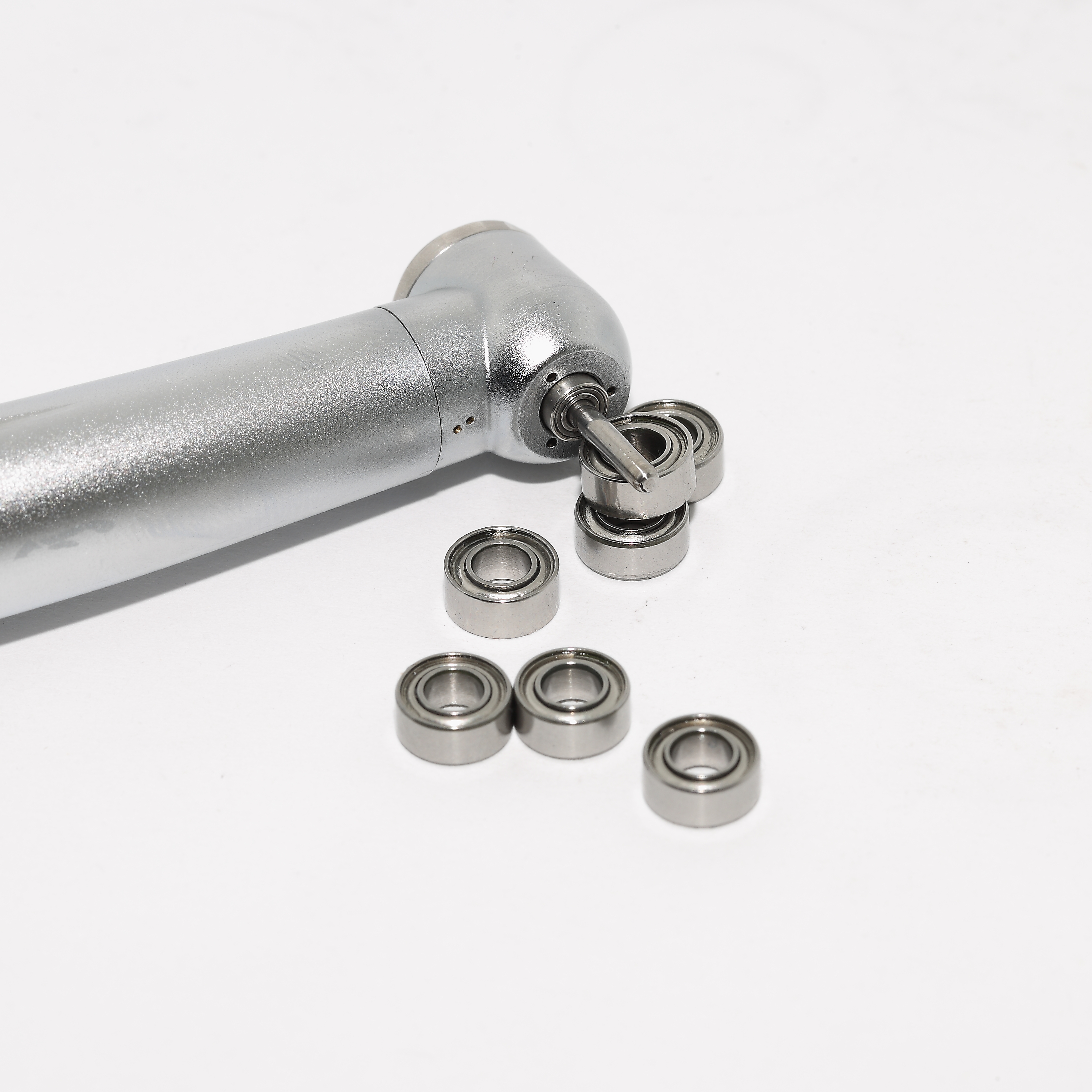
A project in China involving a scale of 80,000 units used miniature bearings for dental handpieces. Dental handpiece bearings sit inside a device that is cleaned, sterilised, and operated at high speed, and INB product data lists dental handpiece as the applicable industry across its miniature bearing models. In that setting, a documentation gap is not only a customs problem; it becomes a device quality problem, because the buyer has to be able to demonstrate what went into the assembly.
Micro-motors and repeated import cycles
INB products serve the domestic medical device industry and micro-motors. Micro-motor production tends to repeat the same model across many shipments, which shifts the compliance burden from the first order to the hundredth. Consistency between shipments is a documentation question: the material grade, precision grade, and model string should read identically on every cycle, so that a later deviation is immediately visible.
High-speed assemblies where limits must be on paper
Where a design runs at 350,000–400,000 rpm, the rated limiting speed and the operating temperature range are not marketing figures; they define the boundary the supplier is prepared to support. Having those limits stated in writing, with the model they apply to, gives the buyer a reference point if performance is ever questioned after installation.
Miniature Bearing Model Reference for Import Documentation
The table below consolidates the product data that a buyer would normally need to quote on a purchase order and to reconcile against incoming documents. All values are taken from INB miniature bearing specifications.
| Model | Size (mm) | Material | Precision | Limiting speed | Operating temperature | Applicable industry |
|---|---|---|---|---|---|---|
| SMR74TL | 4 × 7 × 2 | SUS440 | P4 | 200,000 rpm | −40 °C to 150 °C | Dental handpiece |
| SR133TL | 2.38 × 4.762 × 2.38 | SUS440 | P4 | 200,000 rpm | −40 °C to 150 °C | Dental handpiece |
| SR144ZTLP4 W2.78 | 3.175 × 6.35 × 2.78 | SUS440 | P4 | 350,000–400,000 rpm | −50 °C to 160 °C | Dental handpiece |
| SMR144ZTLP4 W2.38 | 3.175 × 6.35 × 2.38 | SUS440 | P4 | 350,000–400,000 rpm | −50 °C to 160 °C | Dental handpiece |
Two observations follow from the table. First, the model suffix is not decorative: SMR144ZTLP4 W2.38 and SR144ZTLP4 W2.78 share a bore and outer diameter but differ in width, so they must never be treated as one line item. Second, the precision grade is identical across all four models while the speed and temperature limits are not, which means the performance limits — not the precision grade — are the field that distinguishes the higher-speed models in a purchase file.
Frequently Asked Questions
Which documents should accompany a miniature bearing import shipment?
A complete miniature bearing import file typically contains a material declaration naming the specific stainless steel grade (for example, SUS440), a precision statement giving the grade (for example, P4), a model identification that matches exactly across the invoice, packing list and carton label, a dimensional record covering bore, outer diameter and width, and a written statement of limiting speed and operating temperature range. Where the end product is regulated, batch-linked inspection records should also be available on request. The list starts from the product data the supplier already holds, and the regulatory requirements of the destination market are then checked against it.
Can a supplier provide batch-level traceability for very small miniature bearings?
Yes, and it depends on record practice rather than on the size of the bearing. INB distinguishes its products by model, including SMR74TL, SR133TL, SR144ZTLP4 W2.78 and SMR144ZTLP4 W2.38, and operates a set of professional testing instruments including hardness testers, roundness meters, profilometers, roughness measuring equipment, and microscopes. Those instruments support per-batch measurement. What a buyer should confirm is how far the “per-batch” record extends — whether it links measurements to a model and a production date, or whether it is a general capability statement.
Does import documentation add to the unit cost of a miniature bearing order?
Documentation usually does not appear as a separate line on a miniature bearing quotation, because the underlying data is generated as a by-product of production and inspection. What can affect cost is the amount of additional inspection and record-keeping a buyer requests beyond the supplier’s standard practice, and that effect is proportionally more visible on low-value parts. The more useful question during negotiation is therefore not “what does the paperwork cost?” but “which inspections and records are included as standard, and which are treated as additional scope?” Settling that in writing avoids unplanned charges appearing after the goods arrive.
Should buyers validate samples before committing to a production order?
Sample validation is the practical way to confirm that the documents describe the goods. A sample order should be accompanied by the same model identification, material grade, precision grade, dimensional data, and rated limits that the production order will reference, so the physical part can be checked against the paperwork before volume purchasing begins. For miniature bearings used in dental handpieces, for example, the sample data should show the material as SUS440, the precision as P4, and the limiting speed and temperature range for the specific model rather than for the product family in general.
How does documentation affect lead time on a miniature bearing order?
Documentation itself is not normally the driver of lead time; it follows the production and inspection schedule. Delays appear when a document has to be issued after the fact — for example, when a buyer requests a batch-linked inspection record late in the process, or when the model string on a commercial invoice has to be corrected and reissued. Agreeing the document set at the order confirmation stage keeps the file aligned with the shipment. For buyers preparing a first order or a new specification, INB can be reached at yuhang001@126.com or +86 18957446001 to confirm which records are available for a given model.
Conclusion
Import compliance for miniature bearings comes down to alignment rather than volume of paperwork. A material declaration that names SUS440, a precision statement that says P4, a model string that reads identically on the invoice and the inspection record, and dimensional and performance data that match the drawing together form a file that survives customs review and downstream quality audit. Any one of those elements missing produces the same result: a shipment that has to be explained instead of released.
Buyers approaching miniature bearing sourcing for the first time should treat the documentation set as part of the specification, not as an afterthought. Request it at the quotation stage, confirm it at order confirmation, and reconcile it on arrival. Suppliers that can answer these questions with model-level data are telling you something useful about how their production records are organised.

Planning a miniature bearing import and need the paperwork first?
INB — the bearing brand of Ningbo City Jingyin Electromechanical Technology Co., Ltd., established in 2014 and operating a 2,000 m² facility in Ningbo, China — can supply model-level material, precision, dimension, and performance data for P4 miniature bearings used in dental handpieces and micro-motors.
Request a sample or a quotation: yuhang001@126.com | WhatsApp +86 18957446001 | www.lnb-brg.com
Have Questions or Need More Details?
Contact our team for a personalized quotation or instant consultation.
Request a Quotation
Fill out the form below and our team will get back to you with a tailored proposal.
WhatsApp Direct Chat
Prefer to chat in real-time? Message us on WhatsApp for instant assistance & quick answers.
- Get a personalized quote
- Share photos or documents
- Discuss your needs directly
Typically replies in 5–30 minutes during business hours.