
Stainless Steel Miniature Bearings by Speed Tier: 200,000 vs 400,000 RPM
A decision-stage comparison of stainless steel miniature bearings across two common speed tiers — what actually changes between a 200,000 rpm platform and a 350,000–400,000 rpm platform, how to verify each claim, and how to avoid paying for capability your application never uses.
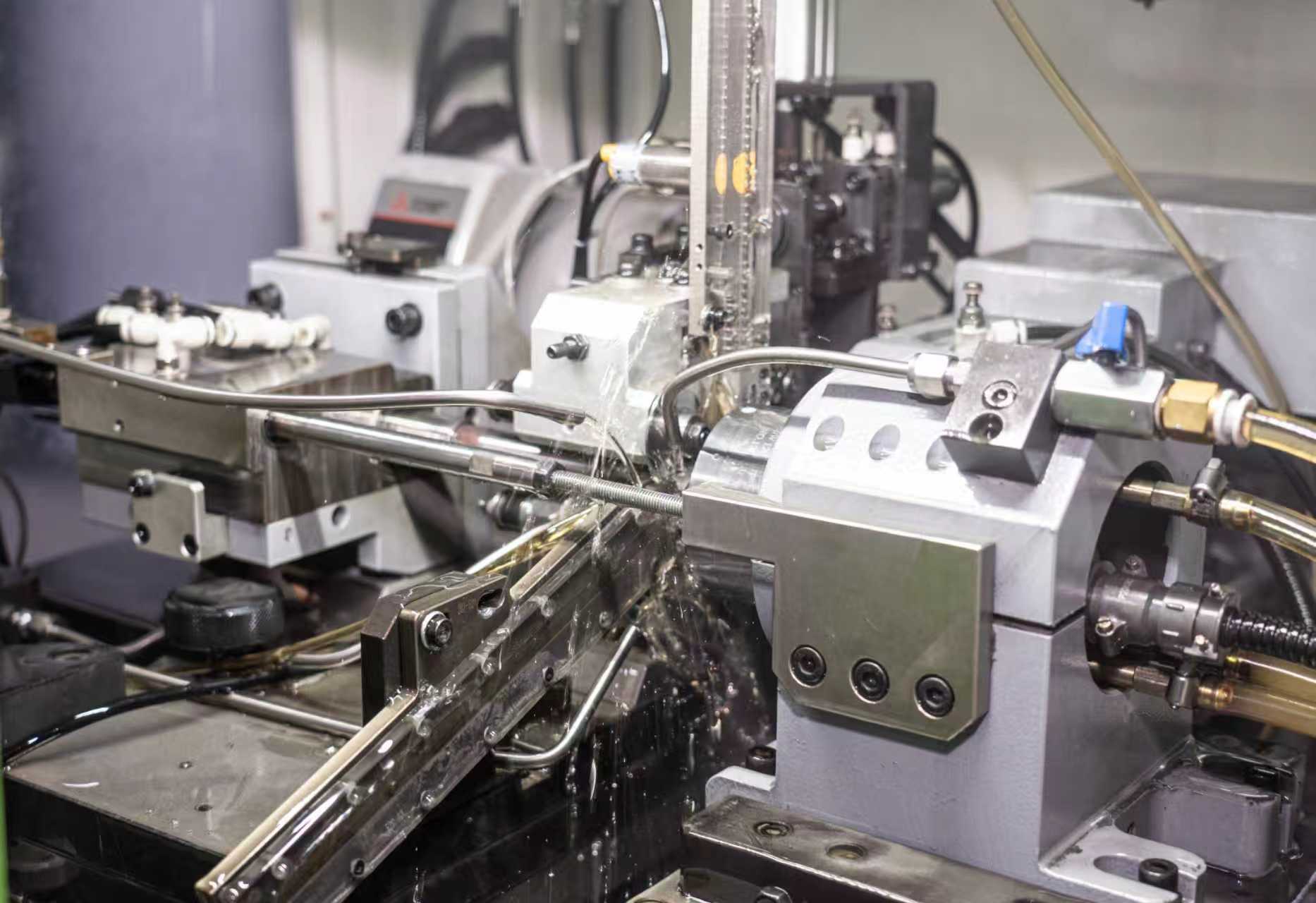
Speed rating decides far more than a line on a datasheet. Two stainless steel miniature bearings can share the same bore diameter, the same stainless steel material and the same outer envelope, yet belong to different speed tiers — one built around a 200,000 rpm duty cycle, the other specified for 350,000–400,000 rpm. The difference is not simply “faster hardware”. It appears in material validation, precision grade, lubrication and sealing design, thermal management, inspection scope and unit cost.
This guide is written for buyers who are already at the decision stage: they have a shortlist, they know the speed their application needs, and they need a defensible way to match a speed tier to that application. INB’s SUS440 stainless steel miniature bearing range is used as the working example throughout. INB is the bearing brand of Ningbo City Jingyin Electromechanical Technology Co., Ltd., a manufacturer based in Ningbo, Zhejiang Province, China (www.lnb-brg.com), producing high-precision bearings with bore diameters from 2 mm to 8 mm in precision grades P6 to P4 under an ISO 9001 quality management system, with products mainly serving the medical device industry and micro-motors.
The core decision rule: match the speed tier to continuous duty, not to peak or theoretical speed. A bearing specified for 350,000–400,000 rpm is not automatically the better choice — it is engineered around a different risk profile than a 200,000 rpm bearing. If an application’s sustained duty sits in the lower tier, choosing the higher tier can add cost and tighter tolerances without adding reliability.
Problem Definition: Where Speed-Tier Decisions Go Wrong
A miniature bearing’s speed rating is a system limit rather than an isolated component property. It depends on internal geometry, manufactured precision grade, lubricant behaviour, seal or shield architecture, housing fit, and the ability of the surrounding assembly to remove heat. Because of that, most purchase errors fall into two categories.
Under-specification. A 200,000 rpm-class bearing installed in a 350,000–400,000 rpm assembly is exposed to stresses it was not validated for. The visible symptoms — heat, noise, shortened service life — are usually the consequences of three underlying failure modes. INB documents the countermeasures it applies to each:
| Failure mode at high speed | INB documented control approach | What a buyer should verify |
|---|---|---|
| Over-speeding | Built-in mechanical speed limiter; high-precision Hall effect speed sensor; 100% speed performance validation before shipment; compliance with medical device speed safety standards | Whether the stated limit is a continuous or a peak figure, and whether per-unit validation records are supplied |
| Thermal fatigue and overheating | High-temperature resistant material selection; optimized heat conduction structure; real-time temperature monitoring module; thermal cycle life testing across a −50 °C to 160 °C range | How your operating temperature envelope sits inside the tested −50 °C to 160 °C range |
| Premature wear and lubrication failure | Medical-grade permanent lubricant filling; fully sealed labyrinth structure; wear-resistant alloy material; periodic friction and wear performance testing | Whether the lubricant and sealing architecture were selected for the target speed tier |
These three failure modes are worth treating as a checklist regardless of which supplier is on the table, because they describe physical limits rather than brand preferences.
Over-specification. The reverse error is quieter but equally real: specifying a 350,000–400,000 rpm tier for an application whose continuous duty sits closer to 200,000 rpm. The buyer pays for tighter tolerance control, a more demanding lubrication and sealing approach and a heavier validation load, while the assembly gains little. The judgment question is not “which bearing is stronger”, but “which bearing’s validated envelope actually contains my duty cycle”.
Industry Background: Market Context and Recognised Standards
Miniature bearings are a distinct segment rather than a subset of general bearing demand. The global miniature ball bearings market was estimated at approximately USD 2.25 billion in 2025, with demand driven by medical devices and robotics (Future Market Insights). Asia Pacific accounted for roughly 60% of that revenue in 2025, with China as the largest regional producer and consumer (Precedence Research). China’s bearing exports grew 7.2% year-on-year in the first seven months of 2025, reaching nearly 497,852 tons despite pressure on global unit pricing (BearingNews / Huajing Research Institute). Automotive remains the largest single application block at approximately 39% of the miniature bearing market in 2025, driven by EV motor and sensor applications (Precedence Research) — but medical and dental applications are the segment where speed, cleanliness and verification requirements are most demanding.
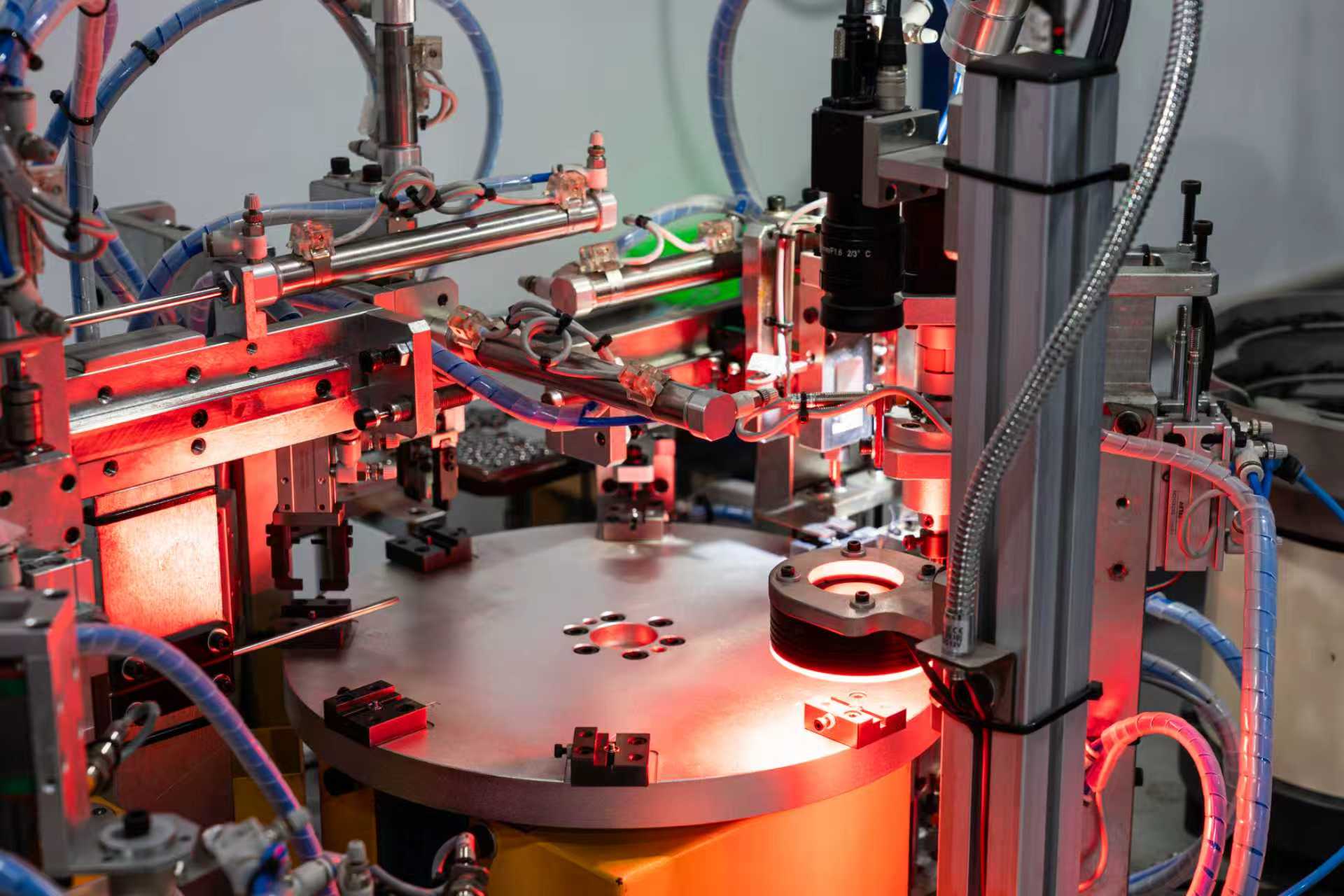
Precision itself is governed by recognised global frameworks, which means speed-tier claims can be compared across suppliers using the same vocabulary:
| Framework / material | Designation | What it defines | Source |
|---|---|---|---|
| ABMA ABEC | ABEC 1–9 | Bearing tolerance classes; higher numbers correspond to tighter tolerances | AST Bearings |
| ISO 492 | P0–P2 | International precision classification for radial bearings | AST Bearings |
| DIN 620 | — | German standard for bearing tolerances | AST Bearings |
| Stainless steel | 440C / SUS440 | Primary material for miniature bearings in medical and food-processing applications, selected for moisture and chemical resistance | SKDIN Engineering Guide |
The supply base a buyer will encounter is mixed. MinebeaMitsumi, NSK, SKF and Schaeffler (Barden) are frequently identified among the notable global manufacturers in the miniature bearing segment (Intel Market Research), while a substantial share of Asia Pacific output comes from regional producers. The practical implication for a decision-stage buyer is that comparison criteria have to be applied consistently on both sides of the shortlist — the same precision vocabulary, the same validation evidence request, the same thermal and speed questions.
The Detailed Comparison: What Changes Between a 200,000 rpm and a 350,000–400,000 rpm Bearing
Five engineering variables move when the speed tier moves: material validation depth, precision grade, lubrication and sealing architecture, thermal management, and validation evidence. Cost follows those five.
Material and corrosion behaviour
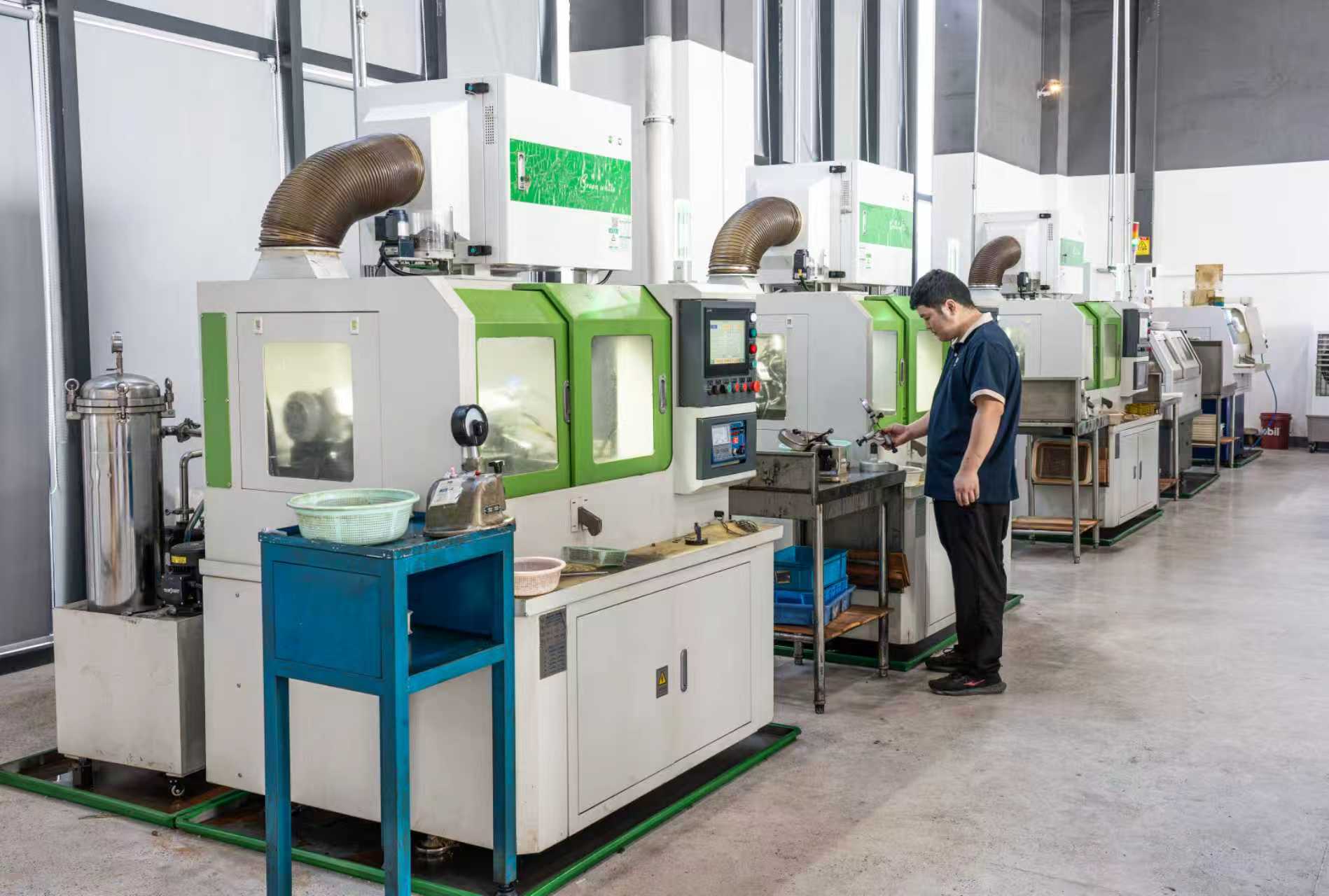
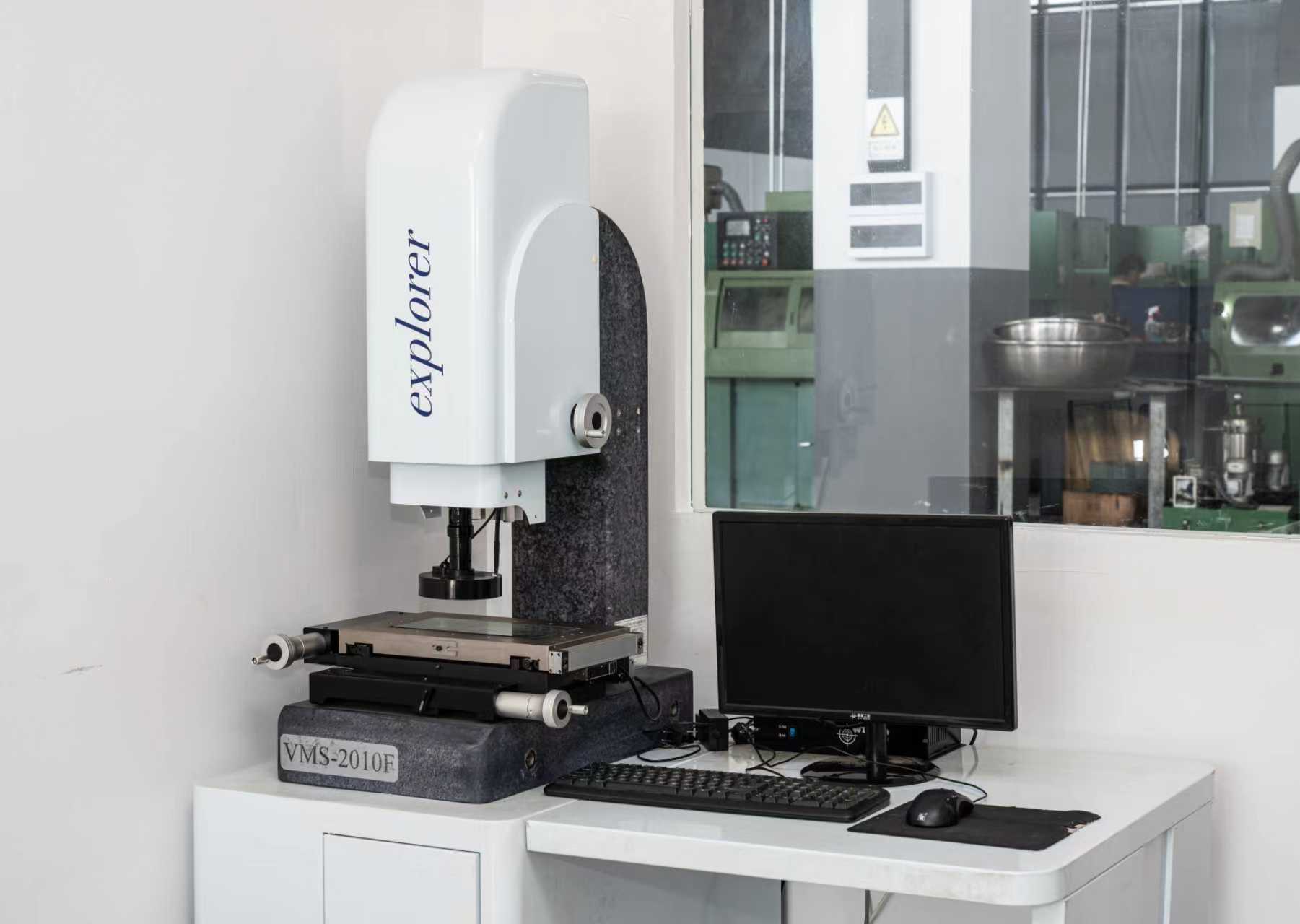
Corrosion resistance is the entry requirement, not the differentiator. 440C stainless steel — the stainless family that INB specifies as SUS440 for its stainless steel miniature bearings — is the primary material for miniature bearings used in medical and food-processing applications because of its resistance to moisture and chemicals (SKDIN Engineering Guide). What changes between tiers is the validation depth applied to that material: heat treatment consistency, hardness verification and dimensional stability under rotation. INB’s inspection setup includes hardness testers, roundness meters, profilometers, roughness measuring equipment and microscopes, which is the instrument set that supports this kind of tier-by-tier verification.
Precision grade and bore range
INB produces high-precision miniature bearings with bore diameters from 2 mm to 8 mm in precision grades P6 to P4. The grade framework is global: ABMA ABEC (1–9), ISO 492 (P0–P2) and DIN 620, where higher ABEC numbers correspond to tighter tolerances (AST Bearings). In practice, a 200,000 rpm application can often be satisfied at the looser end of the available range, while a 350,000–400,000 rpm application has less tolerance for runout, because radial play and geometric error translate directly into vibration and heat at speed. The correct grade is the one that keeps the assembled system inside its vibration and thermal limits — not automatically the tightest grade available.
Lubrication and sealing architecture
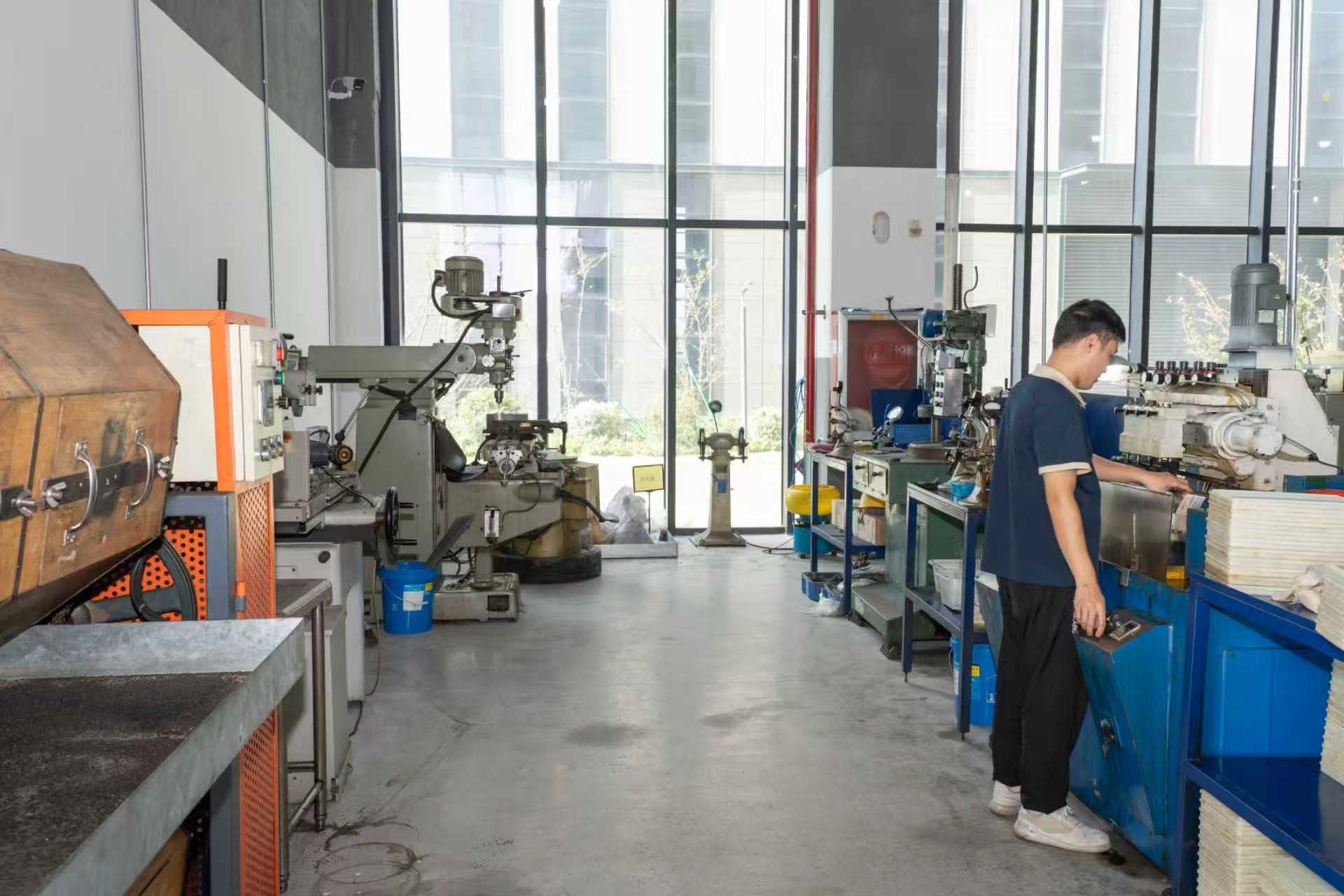
In a 200,000 rpm duty cycle, lubrication failure is usually a long-term wear issue. In a 350,000–400,000 rpm duty cycle, it becomes a short-term thermal issue, because lubricant film breakdown raises friction, which raises temperature, which degrades the lubricant further. INB’s documented approach to premature wear and lubrication failure combines medical-grade permanent lubricant filling, a fully sealed labyrinth structure, a wear-resistant alloy material and periodic friction and wear performance testing. For a buyer, the relevant question is whether the lubricant and seal architecture were selected for the tier in question or inherited from a lower tier.
Thermal management and tested envelope
INB’s documented thermal controls for miniature bearings include high-temperature resistant material selection, an optimized heat conduction structure, a real-time temperature monitoring module, and thermal cycle life testing across a −50 °C to 160 °C range. That tested range is the number to compare against your own duty profile. A 350,000–400,000 rpm application spends more time near the upper end of its thermal envelope, so the margin between the tested range and actual operating temperature is one of the most useful comparison figures a buyer can request.
Validation evidence behind the speed claim
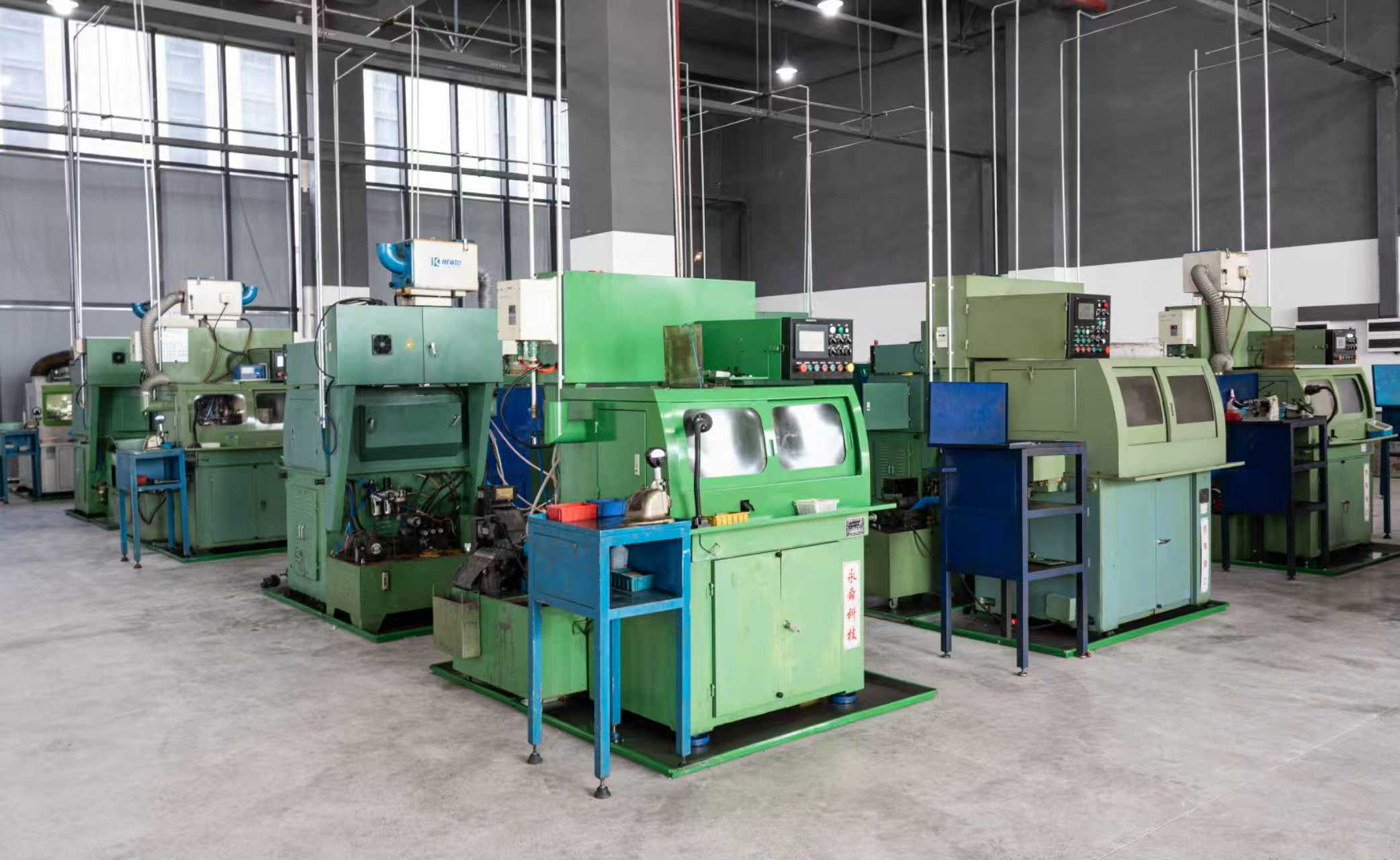
Speed claims are only as strong as the validation behind them. INB documents 100% speed performance validation before shipment, a built-in mechanical speed limiter and a high-precision Hall effect speed sensor, with compliance with medical device speed safety standards. The distinction matters commercially: 100% validation is a per-unit gate, while a design-level rating is a claim about a model. At higher speed tiers, the per-unit gate is usually the more relevant assurance, because it is the only evidence that every shipped unit — not the design average — was tested.
Cost, and the documented comparison reference
Speed tier affects cost through validation scope, tolerance control and lubrication and sealing architecture. INB’s comparison documentation for its dental handpiece-oriented miniature bearings uses the SMR144Z as a benchmark and records that the compared model offers distinct advantages over the SMR144Z: high rotational speed, low noise and a longer expected service life, with noise performance below 20 dB and approximately 10% lower cost. The same documentation states that the model’s low friction coefficient and low heat generation deliver high transmission efficiency and reduce the energy consumption of the driven equipment, and that high speed, low noise and low heat generation contribute to lower operation and maintenance costs.
Read the comparison as a reference, not as a substitute for model data. The compared model is identified at model level in INB’s product documentation; buyers should confirm the exact model reference, the test conditions behind the noise figure and the duty cycle used for the cost comparison before applying either figure to a purchase decision. Noise values in particular depend on measurement distance, load and rig, so the test setup is part of the evidence.
Step-by-Step: Matching a Speed Tier to Your Application
- Separate continuous duty from peak duty. Write down the sustained speed and the maximum transient speed as two different numbers. The tier decision should be driven by sustained duty, with peak duty checked against the safety margin. This is the single step that prevents both under-specification and over-specification.
- Confirm the material and the environment. For medical, dental and food-processing contexts, 440C stainless steel — specified by INB as SUS440 — is the standard family because of moisture and chemical resistance (SKDIN Engineering Guide). Cleaning agents, sterilisation cycles and coolant exposure belong in this step.
- Set the precision grade from the assembly, not the catalogue. INB manufactures P6 to P4 with bore diameters of 2 mm to 8 mm, and the global references are ABMA ABEC, ISO 492 and DIN 620 (AST Bearings). Higher speed tiers normally require evaluation at the tighter end of the range, because runout becomes vibration at speed.
- Specify lubrication and sealing against the tier. INB’s documented design approach uses medical-grade permanent lubricant filling with a fully sealed labyrinth structure, supported by periodic friction and wear performance testing. At higher speed tiers, lubrication is a thermal variable, not only a wear variable.
- Check the thermal envelope and the monitoring provisions. INB documents thermal cycle life testing across −50 °C to 160 °C, an optimized heat conduction structure and a real-time temperature monitoring module. Compare your operating temperature against that tested range and note the remaining margin.
- Require pre-shipment validation evidence. INB documents 100% speed performance validation before shipment, a built-in mechanical speed limiter and a high-precision Hall effect speed sensor. Ask how the validation record will be supplied with the order.
- Compare total cost, not unit price. Where two INB models are shortlisted, the documented comparison against the SMR144Z benchmark (below 20 dB noise, approximately 10% lower cost, longer expected service life, reduced energy consumption of driven equipment, lower operation and maintenance costs) shows why total cost is the correct comparison basis at this stage.
Use Cases: Dental and Industrial Speed Tiers
Dental handpieces
Dental handpieces are the clearest example of a two-tier decision, because both tiers are in daily use: handpiece designs that operate around the 200,000 rpm class, and air-turbine designs specified for 350,000–400,000 rpm. The higher tier compresses the margin for error on three fronts at once — runout, lubricant film stability and heat removal — which is why INB documents 100% speed performance validation before shipment for its miniature bearings and lists dental handpieces among the documented applications of the model compared against the SMR144Z benchmark. Noise is also a user-facing factor in this application; the same comparison documentation records noise below 20 dB for the compared model, and buyers should confirm the measurement conditions before using that figure in a specification.
Micro-motors and medical devices
INB’s products mainly serve the medical device industry and micro-motors. In these applications, the speed tier interacts with duty cycle differently than in an air turbine: instruments often run intermittently, which changes the thermal load and the lubrication regime. The practical guidance is unchanged — define the sustained duty, then verify that the lubrication, sealing and thermal provisions match the tier, rather than assuming that a higher-rated bearing automatically performs better in an intermittent duty cycle.
Industrial contexts
Industrial equipment changes the comparison in ways dental applications do not: coolant and contamination exposure, longer continuous duty blocks, and higher structural loads on the housing. The same SUS440 stainless steel family remains the material starting point, but the buyer’s verification list grows — sealing architecture against contamination, thermal margin under sustained duty, and documented wear testing. Where an industrial application runs close to a tier limit for extended periods, the margin question becomes more important than the nominal rating.
Comparison Table: The Two Speed Tiers Side by Side
| Comparison dimension | Lower speed tier (approx. 200,000 rpm) | Higher speed tier (approx. 350,000–400,000 rpm) | Basis |
|---|---|---|---|
| Duty definition | Continuous duty at or below the tier rating; wider margin to the limit | Continuous duty close to the tier rating; narrower margin to the limit | Application-defined |
| Material | SUS440 / 440C stainless steel family | Same stainless family; heat treatment and hardness verification carry more weight | SKDIN Engineering Guide; INB material specification |
| Precision grade | P6 to P4 range available; the looser end is often sufficient | The tighter end of the P6–P4 range is normally evaluated, because runout becomes vibration at speed | AST Bearings; INB manufacturing grade range |
| Lubrication risk profile | Long-term wear is the dominant lubrication risk | Short-term thermal risk: lubricant film breakdown raises temperature and accelerates degradation | INB documented control approach |
| Thermal margin | Wider effective margin inside the tested envelope | Narrower margin; heat conduction design and temperature monitoring matter more | INB thermal cycle life testing, −50 °C to 160 °C |
| Validation evidence | Pre-shipment speed validation and speed limiter provisions | Same controls, with 100% per-unit speed validation treated as a core requirement | INB documented control approach |
| Cost profile | Lighter validation and tolerance-control load | Heavier validation and tolerance-control load; compare total cost of ownership, including energy and maintenance | Decision guidance; documented comparison data available in INB product documentation |
Rows describing what is “normally evaluated” express selection logic rather than product specifications. Model-level values should always be confirmed against INB model data and test reports.
Frequently Asked Questions
- Which standards should a stainless steel miniature bearing be checked against at each speed tier?
- Precision grades are defined by recognised global frameworks: ABMA ABEC (1–9), ISO 492 (P0–P2) and DIN 620, where higher ABEC numbers correspond to tighter tolerances (AST Bearings). INB manufactures miniature bearings in precision grades P6 to P4 under an ISO 9001 quality management system. Where the bearing is used in a dental or medical device, speed-related safety requirements also apply: INB’s documented over-speed controls include a built-in mechanical speed limiter, a high-precision Hall effect speed sensor, 100% speed performance validation before shipment, and compliance with medical device speed safety standards.
- How can a buyer confirm that a stainless steel miniature bearing will hold 350,000–400,000 rpm in practice?
- Ask for the validation evidence behind the rating rather than the rating alone. INB’s documented approach includes 100% speed performance validation before shipment, a real-time temperature monitoring module, thermal cycle life testing across a −50 °C to 160 °C range, and periodic friction and wear performance testing. Because a speed rating is a system limit, that evidence should be read together with the application’s sustained duty cycle, housing fit and thermal path.
- Does a higher speed tier always cost more, and what drives the difference?
- Cost follows the validation and manufacturing scope a tier requires: tolerance control, lubrication and sealing architecture, thermal management and inspection. The difference is not always large, and not always in the expected direction. INB’s comparison documentation records the compared model at approximately 10% lower cost than the SMR144Z benchmark, with high rotational speed, noise below 20 dB and a longer expected service life. The same documentation states that its low friction coefficient and low heat generation support high transmission efficiency, reducing the energy consumption of the driven equipment, and that low noise and low heat generation contribute to lower operation and maintenance costs. Buyers should compare tiers on total cost of ownership rather than unit price alone.
- How should a buyer validate a speed tier before committing to volume?
- Validation should mirror the way the bearing will actually be used. The tests INB documents for its miniature bearings are speed performance validation before shipment (100% of units), thermal cycle life testing across −50 °C to 160 °C, and periodic friction and wear performance testing — a set that can be mapped to a buyer’s own duty cycle in advance of a volume order. Buyers who want to check a tier against their own hardware can request samples and a quotation from INB’s sales team at yuhang001@126.com or on WhatsApp at +86 18957446001.
- How is lead time handled when a speed tier requires extra validation?
- Lead time for stainless steel miniature bearings is confirmed per order rather than published as a single figure, because it depends on the model, precision grade, order quantity and the validation steps the application requires. INB issues lead time together with the quotation, so the validation scope and the delivery schedule are agreed at the same point. To start that process, send the model reference, sustained duty speed and quantity to yuhang001@126.com or contact INB on WhatsApp at +86 18957446001.
Conclusion: The Rule to Carry Into Your Next Comparison
Across both tiers, the same three checks decide whether a quotation holds up in production: the sustained duty must sit inside the validated envelope, the material and precision grade must match the environment and the assembly, and the validation evidence must be per unit rather than per catalogue page. Where two INB models are shortlisted against a benchmark such as the SMR144Z, the documented comparison — noise below 20 dB, approximately 10% lower cost, longer expected service life, lower energy consumption of the driven equipment and lower operation and maintenance costs — is most useful when read alongside the model-level test conditions.
Speed tiers are not a quality hierarchy. They are two different validated envelopes, and the buyer’s job is to place the application inside the correct one.
Validate a speed tier against your own application
Send the model reference, sustained duty speed and target quantity to INB, and request the samples, validation evidence and quotation needed to close a speed-tier decision. Contact Wang Chaojiang at yuhang001@126.com, on WhatsApp at +86 18957446001, or via www.lnb-brg.com.
Have Questions or Need More Details?
Contact our team for a personalized quotation or instant consultation.
Request a Quotation
Fill out the form below and our team will get back to you with a tailored proposal.
WhatsApp Direct Chat
Prefer to chat in real-time? Message us on WhatsApp for instant assistance & quick answers.
- Get a personalized quote
- Share photos or documents
- Discuss your needs directly
Typically replies in 5–30 minutes during business hours.