
SMR144ZTLP4 W2.38 vs SR144ZTLP4 W2.78: Choosing a P4 Miniature Bearing for Dental Handpieces
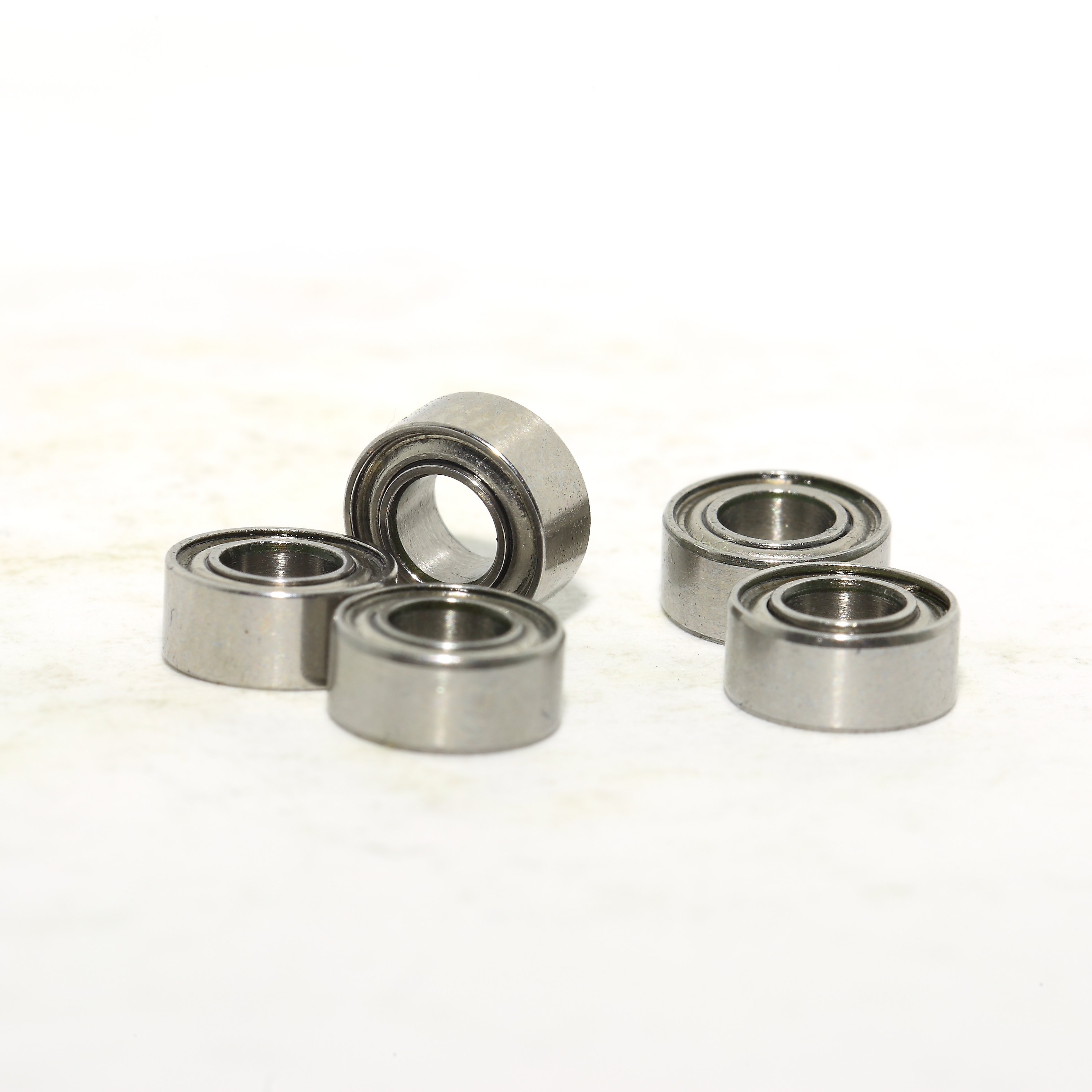
Two P4 miniature bearings that share the same 3.175 mm bore and 6.35 mm outside diameter can still send a dental handpiece design in two different directions. The SMR144ZTLP4 W2.38 and the SR144ZTLP4 W2.78 differ mainly in width - 2.38 mm against 2.78 mm - and that 0.40 mm gap changes how the bearing seats, how the rotor stacks, and how much speed the turbine can hold.
Quick answer: the SMR144ZTLP4 W2.38 is the narrower, high-speed option, verified with a limiting speed of 350,000-400,000 rpm, P4 precision, SUS440 stainless steel, and an operating range of -50 °C to 160 °C. The SR144ZTLP4 W2.78 is the wider variant on the same 3.175 mm x 6.35 mm platform. Design teams choose the W2.38 when axial space and top-end speed govern the layout, and choose the W2.78 when the housing allows more width and the priority shifts toward a wider axial seating footprint.
Why a 0.40 mm Width Difference Matters in a Dental Handpiece
A dental handpiece turbine is one of the most space-constrained rotating assemblies in medical equipment. The head holds two small bearings, a rotor, and a chuck inside a housing measured in millimeters. Because so little room exists, the axial width of each bearing is not a minor detail - it defines the axial stack and constrains every other component.
Width affects three things at once:
- Fit: a 2.38 mm bearing and a 2.78 mm bearing cannot be interchanged without adjusting the surrounding stack. The 0.40 mm difference must be absorbed by the housing, the spacer, or the rotor position.
- Load behavior: a wider ring generally allows a larger internal contact area and a more stable axial seat, which helps when the assembly carries combined loads or needs tighter rotor location.
- Speed and heat: in high-speed turbines, lower rotating mass and reduced friction help the bearing sustain extreme rpm and stay cooler. A narrower bearing is often the natural choice when maximum speed is the design target.
The problem for most buyers is that catalogs list bore and outside diameter clearly but treat width as a footnote. Two bearings can therefore look interchangeable in a table while behaving very differently on a 400,000 rpm spindle. Matching all three dimensions - bore, OD, and width - to the actual assembly is the decision that prevents fit failures, preload errors, and overheating.
Industry Background: Precision, Speed, and Material in Miniature Bearings
Miniature ball bearings are a compact but fast-moving segment of the components market. According to Future Market Insights, the global miniature ball bearings market was estimated at approximately USD 2.25 billion in 2025, with demand supported by medical devices and robotics. Precedence Research reports that Asia Pacific held roughly 60% of that revenue share in 2025, with China as the largest regional producer and consumer. Export momentum points the same way: data compiled by BearingNews and the Huajing Research Institute shows China's bearing exports grew 7.2% year on year in the first seven months of 2025, reaching nearly 497,852 tons.
Medical and dental applications sit at the demanding end of this market. In dental handpieces, bearings must run at very high speed, tolerate repeated sterilization, and hold precision over many cycles. Miniature bearing precision itself is governed by recognized standards, including ABMA ABEC (grades 1-9), ISO 492 (P0-P2), and DIN 620, where tighter tolerance classes correspond to higher numbers. Stainless steel, particularly 440C, is widely used in medical-grade miniature bearings because of its resistance to moisture and chemicals.
Dimension conventions matter here too. The 3.175 mm bore and 6.35 mm outside diameter in both bearings follow the imperial 1/8 inch by 1/4 inch convention common to small miniature bearings, which is why a stainless steel miniature bearing of this size appears across many instrument platforms. INB is the miniature bearing brand of Ningbo City Jingyin Electromechanical Technology Co., Ltd., a Ningbo-based bearing producer established as a brand in 2014. The company manufactures high-precision standard bearings with bore diameters from 2 mm to 8 mm, offers precision grades from P6 to P4, and serves the medical device and micro-motor industries.
Inside the Two Bearings: SMR144ZTLP4 W2.38 and SR144ZTLP4 W2.78
SMR144ZTLP4 W2.38 (2.38 mm width)
The SMR144ZTLP4 W2.38 is the narrow member of the pair. Its documented specification is precise and fully defined:
- Bore (inner diameter): 3.175 mm
- Outside diameter: 6.35 mm
- Width: 2.38 mm
- Precision grade: P4
- Material: SUS440 stainless steel
- Limiting speed: 350,000-400,000 rpm
- Operating temperature: -50 °C to 160 °C
- Primary application: dental handpiece
This is a thin-wall, high-speed miniature bearing built for a dental turbine head. Its 2.38 mm width keeps the axial stack short, which supports the high limiting speed and the medical-grade temperature range of the design.
SR144ZTLP4 W2.78 (2.78 mm width)
The SR144ZTLP4 W2.78 keeps the identical 3.175 mm bore and 6.35 mm outside diameter but widens the ring to 2.78 mm. The model carries the same P4 precision designation. Because it is 0.40 mm wider, it occupies more axial space inside the handpiece head, which changes how the surrounding rotor and spacers must be arranged.
In practice, the wider variant is the one to specify when the assembly has axial room and the design calls for a more substantial seat, while the narrower variant is the one to specify when the head is tightly packed and speed is the dominant requirement.
Width-to-Application Comparison
| Parameter | SMR144ZTLP4 W2.38 | SR144ZTLP4 W2.78 |
|---|---|---|
| Bore (inner diameter) | 3.175 mm | 3.175 mm |
| Outside diameter | 6.35 mm | 6.35 mm |
| Width | 2.38 mm | 2.78 mm |
| Precision grade | P4 | P4 |
| Material | SUS440 stainless steel | Confirm specification with INB |
| Limiting speed | 350,000-400,000 rpm | Confirm specification with INB |
| Operating temperature | -50 °C to 160 °C | Confirm specification with INB |
| Best suited to | Narrow, high-speed turbine positions | Assemblies with axial room and a wider seat |
| Axial stack impact | Shorter stack, lower rotating mass | 0.40 mm more axial length to absorb |
How to read this table: bore, outside diameter, width, and precision class are shared or clearly stated for both models. Where a cell reads "Confirm specification with INB," the value is not part of this comparison set and should be requested from the manufacturer before a final design freeze rather than assumed from the model name.
How to Choose: A Step-by-Step Breakdown
Selecting between the W2.38 and the W2.78 is a short, repeatable process. Working through it in order prevents the two most common mistakes: choosing on bore and OD alone, and forgetting to reserve axial space for the wider ring.
- Measure the available axial space in the head. Determine the maximum width the turbine housing can accept. If the stack is already tight, the 2.38 mm SMR144ZTLP4 W2.38 is the natural candidate.
- Define the speed target. If the design must reach the 350,000-400,000 rpm range that the SMR144ZTLP4 W2.38 is verified for, start from that bearing rather than adapting a wider model.
- Check the load and rotor-positioning requirement. If the assembly needs a wider axial seat or more stable rotor location and there is room for 2.78 mm, the SR144ZTLP4 W2.78 becomes viable.
- Confirm material and temperature. Dental handpieces undergo repeated sterilization and can see wide temperature swings. The SMR144ZTLP4 W2.38 is specified in SUS440 stainless steel with an operating range of -50 °C to 160 °C.
- Validate on the bench. Fit both candidate widths in a mock assembly, check axial play and preload, and run a speed and temperature test before committing to a production order.
- Lock the commercial terms. Confirm MOQ, lead time, delivery terms, and inspection criteria with the supplier so that the validated part and the purchased part are identical.
Where Each Bearing Fits: Use Cases
The width decision usually maps cleanly onto the application.
High-speed dental handpiece turbines
The SMR144ZTLP4 W2.38 is used in dental handpieces where the turbine must reach the highest practical speed inside a compact head. Its 2.38 mm width, P4 precision, SUS440 stainless steel, and -50 °C to 160 °C range fit the demands of a medical turbine. A medical device client running dental handpieces reported stable high-speed operation and extended equipment lifespan across a 500-hour deployment; the program covered 80,000 units of this bearing model.
Compact micro-motor and instrument assemblies
Where a small, high-precision bearing is needed but the housing is narrow, a thin-wall bearing in the same 3.175 mm x 6.35 mm family keeps the stack short. This is the same logic that makes small miniature bearings useful in motor miniature bearing applications, low-noise instrument drives, and other compact precision mechanisms.
Assemblies with axial room
When a handpiece or instrument design provides extra axial space and benefits from a wider seating ring, the SR144ZTLP4 W2.78 offers the wider footprint within the same bore and OD envelope, so the rest of the shaft layout does not have to change. Flanged stainless steel miniature bearings are a separate retention option when axial location by flange is preferred, and are evaluated on their own fit criteria.
Manufacturing and OEM Capability Behind the Bearing
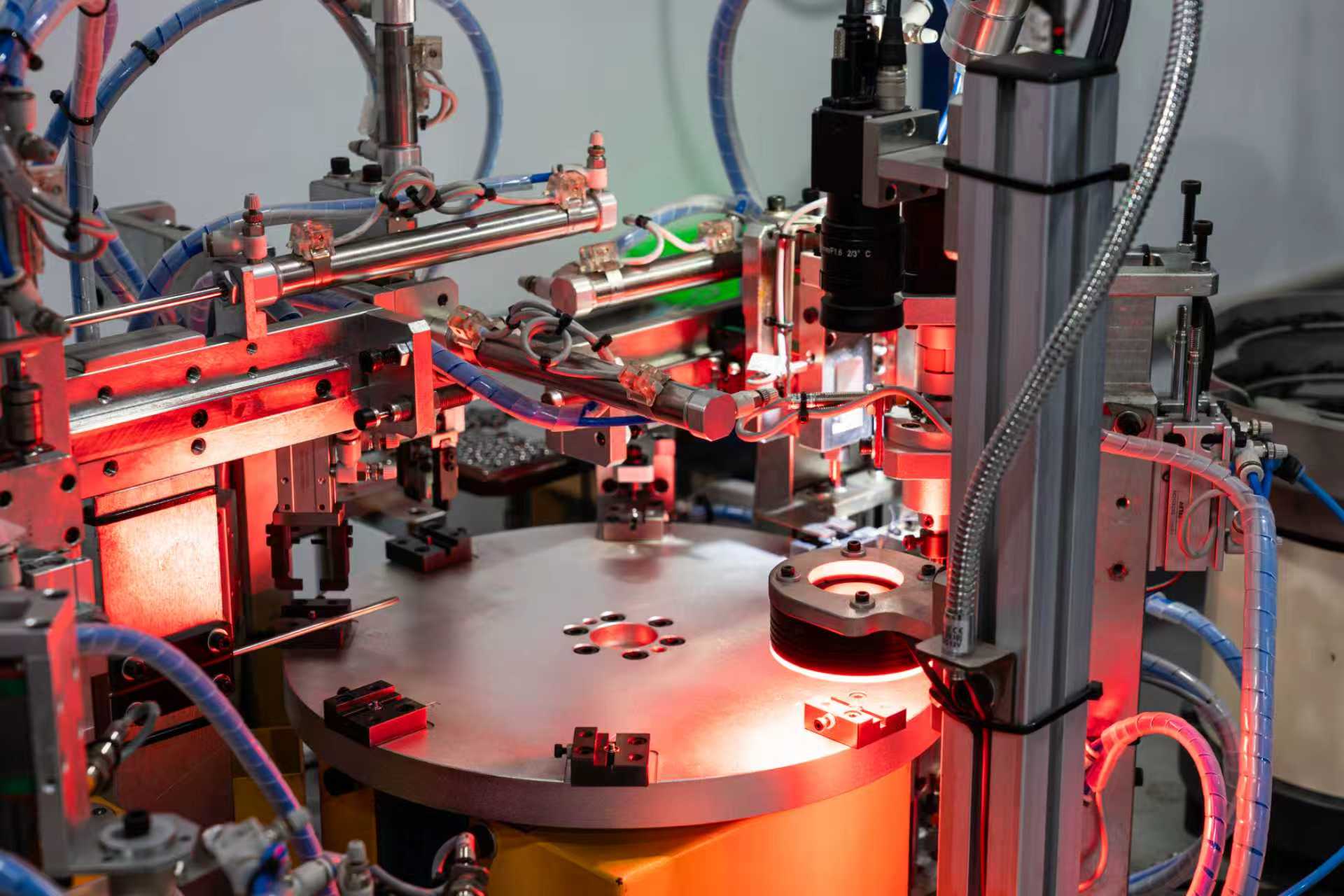
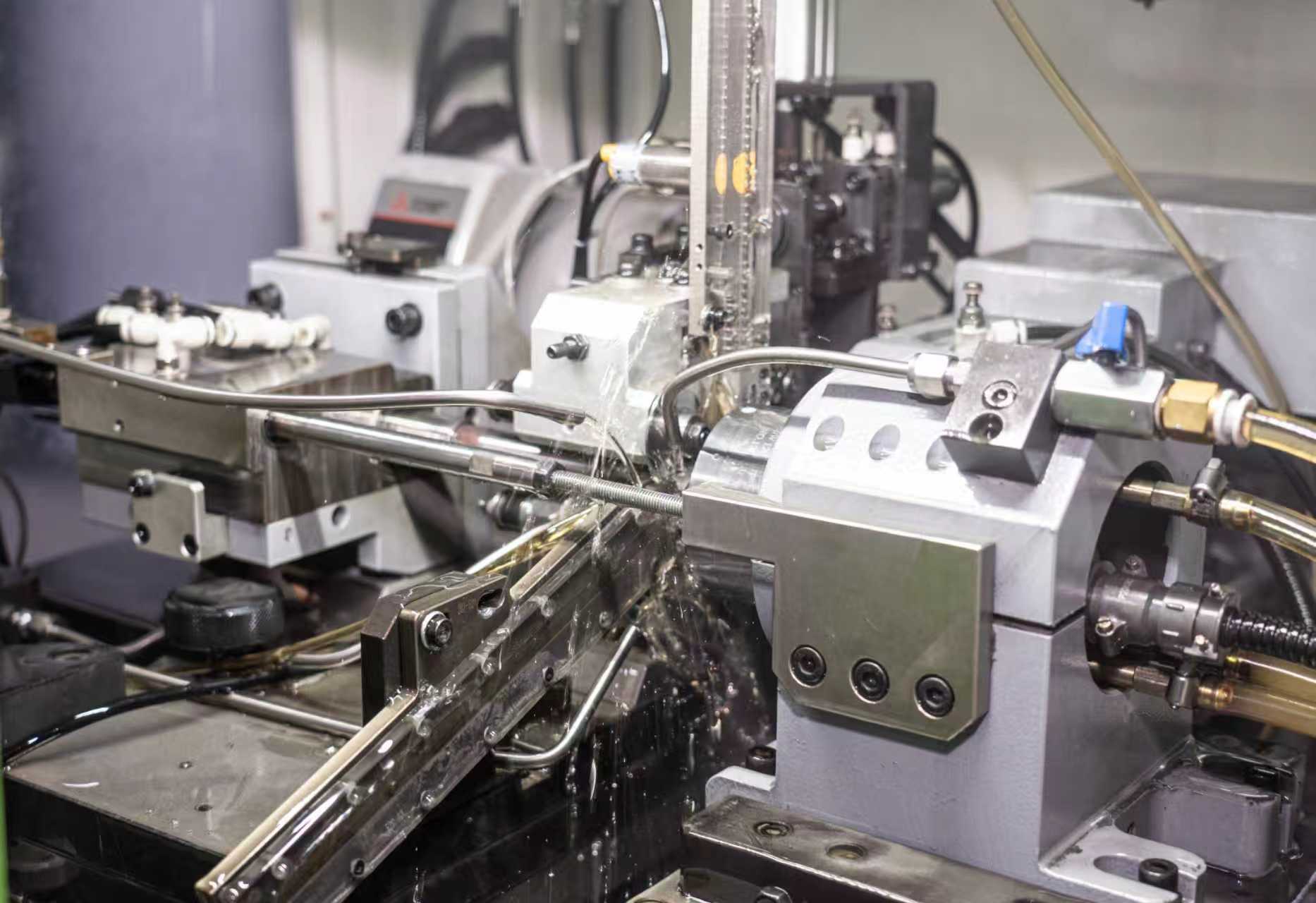
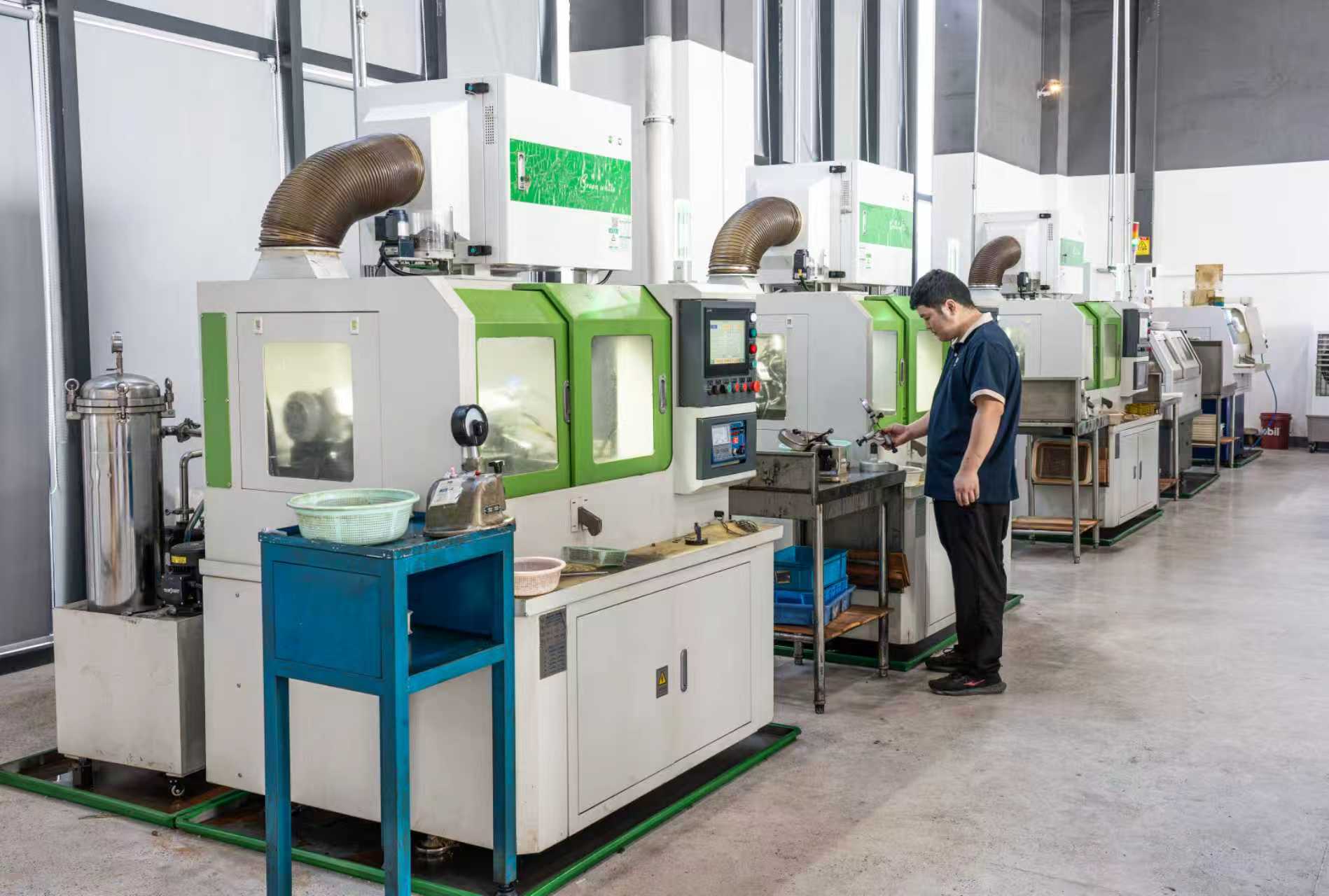
Bearing choice is only half of the decision at the evaluation-to-execution stage; the other half is whether the supplier can deliver the same part, repeatably, at volume. INB's operational data answers several of those questions directly:
- Production capability: a monthly capacity of 500,000 units and an annual output of 6,000,000 units.
- Quality control: 100% testing of production.
- OEM and customization: OEM production is offered, with customization carried out according to customer requirements.
- Precision range: standard high-precision bearings from 2 mm to 8 mm bore, in grades from P6 to P4.
- Engineering and inspection: a 10-person R&D team, three senior bearing engineers, and in-house instruments including hardness testers, roundness meters, profilometers, roughness measuring equipment, and microscopes.
- Lead time and support: in-stock items ship on a 7-day lead time, with after-sales return and exchange.
Frequently Asked Questions
Is the SMR144ZTLP4 W2.38 produced under a certified quality management system?
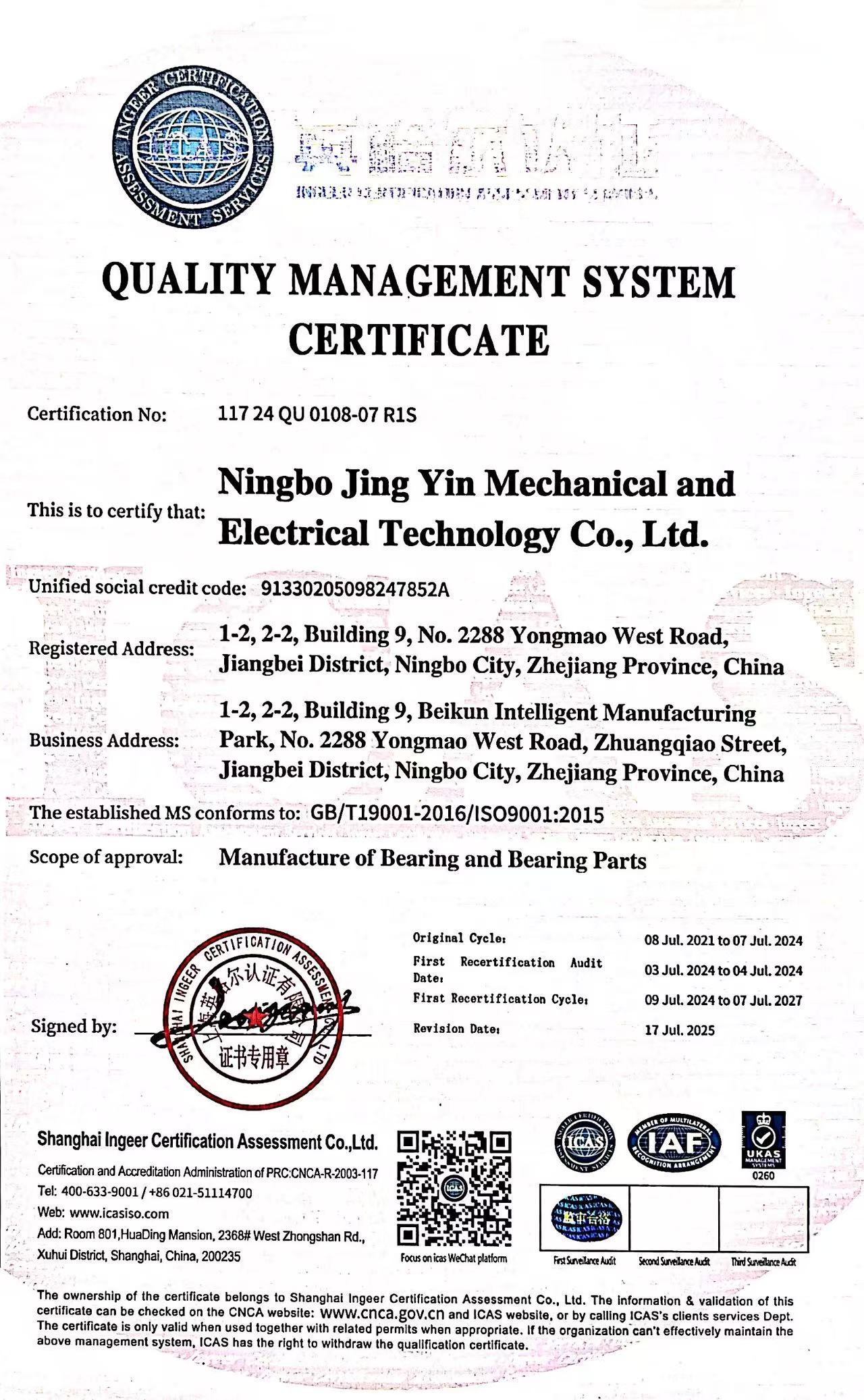
Yes. Bearing manufacturing is carried out under an ISO 9001 quality management system, certified under certificate number 117 24 QU 0108-07 R1S by Shanghai Ingeer Certification Assessment Co., Ltd. The certificate is issued against GB/T 19001-2016 / ISO 9001:2015 and covers the manufacture of bearings and bearing parts. It was issued on 9 July 2024 and is valid until 7 July 2027, and the SMR144ZTLP4 W2.38 is listed among the products associated with the certification.
What OEM and customization capability does INB offer for dental handpiece bearings?
INB provides OEM production and customization according to customer requirements, with a monthly capacity of 500,000 units and 100% testing of production. Engineering support includes a 10-person R&D team and three senior bearing engineers, backed by in-house hardness testers, roundness meters, profilometers, and roughness measuring equipment. After-sales return and exchange are offered as standard support.
What are the minimum order quantity and purchasing terms?
Documented purchasing terms start at an MOQ of 50 units, with FOB delivery terms, payment before shipment, and 100% factory inspection as the acceptance criterion. Production data separately lists an MOQ of 100 units for OEM and customized production. Because the two minimums apply to different order types, buyers should confirm which value applies to their order before raising a purchase order.
How can a design team validate the bearing before volume production?
Because the SMR144ZTLP4 W2.38 is an in-stock item with a 7-day lead time, evaluation quantities can be delivered quickly for fit, speed, and temperature checks. Production is 100% tested, and a medical device client running dental handpieces reported stable high-speed operation over a 500-hour, 80,000-unit deployment. To request evaluation units, a sample, or the current datasheet, contact INB by email at yuhang001@126.com or WhatsApp at +86 18957446001.
What lead time and delivery terms should OEM buyers expect?
In-stock miniature bearings ship on a 7-day lead time. Documented delivery terms are FOB, with payment before shipment. For OEM and customized production, scheduling should be confirmed against the 500,000-unit monthly capacity at the time of order.
Conclusion: Match the Width to the Design, Not the Catalog
The SMR144ZTLP4 W2.38 and the SR144ZTLP4 W2.78 are not two names for the same part. They share a 3.175 mm bore and a 6.35 mm outside diameter, but the 2.38 mm versus 2.78 mm width difference decides how each one sits inside a dental handpiece. When the goal is a narrow, high-speed turbine with verified performance at 350,000-400,000 rpm, P4 precision, SUS440 stainless steel, and a -50 °C to 160 °C range, the SMR144ZTLP4 W2.38 is the defined starting point. When the assembly has axial room and benefits from a wider seating ring, the SR144ZTLP4 W2.78 is the wider alternative in the same platform.
Confirm the dimensions against the actual assembly, validate the width on the bench, and lock the specification with the supplier before volume production. That sequence - measure, define the speed target, check load, confirm material, validate, then set commercial terms - turns a 0.40 mm decision into a predictable one.
Request Evaluation Units or a Quote
Tell us your bore, OD, width, and target speed, and INB will confirm the right P4 miniature bearing for your dental handpiece design. In-stock items ship on a 7-day lead time.
Email: yuhang001@126.com · WhatsApp: +86 18957446001 · Website: www.lnb-brg.com
Have Questions or Need More Details?
Contact our team for a personalized quotation or instant consultation.
Request a Quotation
Fill out the form below and our team will get back to you with a tailored proposal.
WhatsApp Direct Chat
Prefer to chat in real-time? Message us on WhatsApp for instant assistance & quick answers.
- Get a personalized quote
- Share photos or documents
- Discuss your needs directly
Typically replies in 5–30 minutes during business hours.