
Miniature Bearings for High-Speed Spindles: Application Guide for Precision Machining Equipment
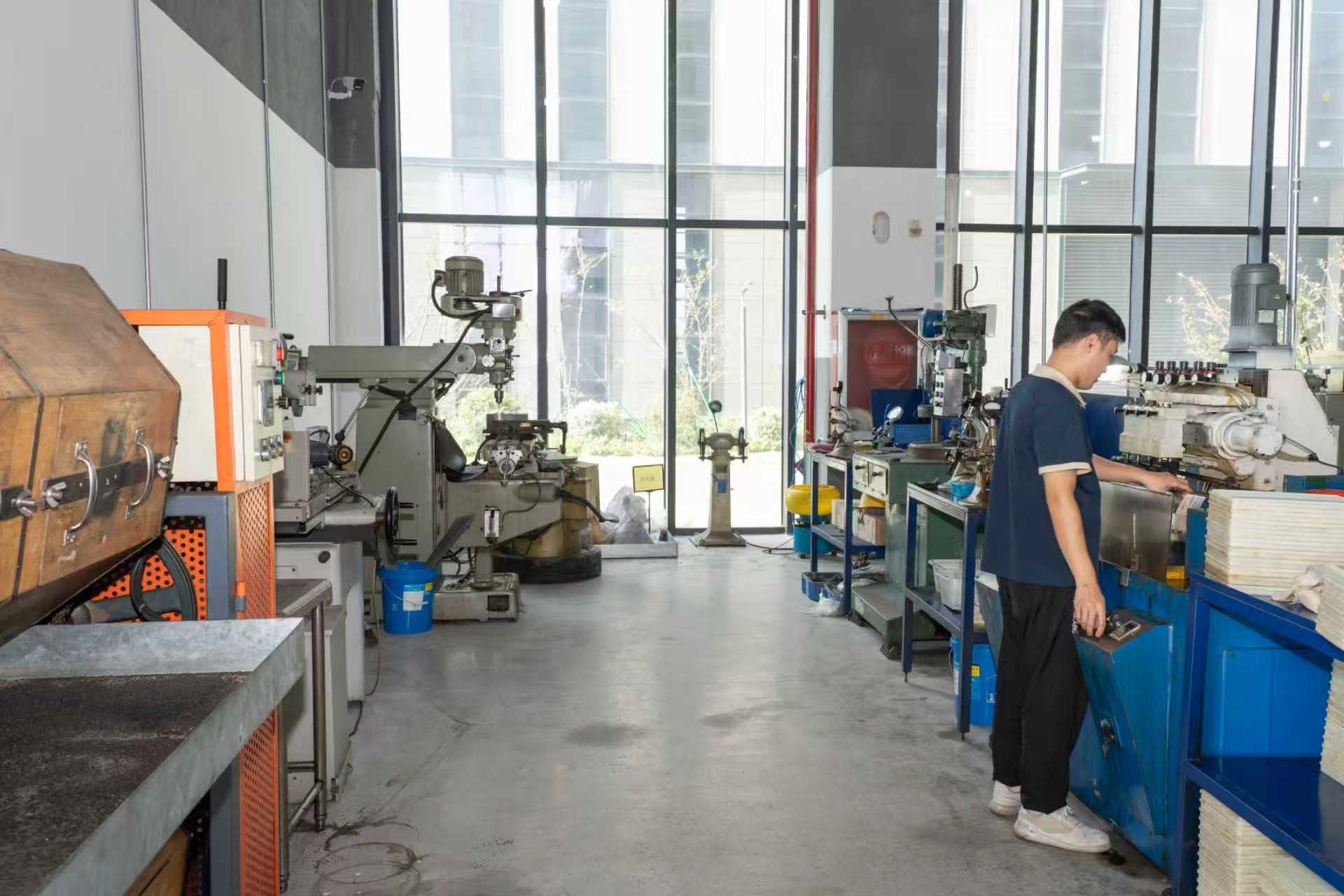
A high-speed spindle is only as good as the miniature bearings inside it. Once rotational speed climbs into the hundreds of thousands of rpm, the bearing stops being a passive part and becomes the limiting factor for runout, heat, noise, and service life. This guide is written for the engineers and OEM buyers who design and source precision machining spindles — grinding heads, micro-milling spindles, and high-speed drilling units — and who must match a miniature bearing to a fixed speed, a precision target, a thermal envelope, and a tightly constrained shaft envelope.
INB, the bearing brand of Ningbo City Jingyin Electromechanical Technology Co., Ltd., manufactures high-precision miniature bearings in precision grades from P6 to P4, with bore diameters from 2 mm to 8 mm. Its high-speed P4 models reach limiting speeds of 350,000–400,000 rpm and operating temperatures of −50 °C to 160 °C. This article explains the constraints that decide whether a miniature bearing can survive a high-speed spindle, how precision classes work, and how to select a size from INB's available dimensions.
Problem Definition: The Four Constraints a Spindle Bearing Must Satisfy
In a high-speed spindle you cannot simply fit a bigger bearing, because the shaft, housing, and lubrication arrangement are already fixed by the machine design. Bearing selection is therefore a constraint-satisfaction problem rather than a matter of preference. Four constraints interact, and a bearing that fails any one of them will fail in service.
- Speed constraint. Every miniature bearing has a limiting speed — the maximum rotational speed at which it can run without unacceptable heat generation or loss of the lubricant film. As spindle speed rises, centrifugal load on the balls and cage grows and the internal clearance of the bearing changes. A bearing rated below the spindle's design rpm will overheat long before it reaches operating speed.
- Precision constraint. Spindle runout, surface finish, and tool life are set by the running accuracy of the bearing. High-speed machining calls for a tight precision class so that bore, outside diameter, and radial runout tolerances stay small across the whole speed range.
- Thermal constraint. A spindle heats up in operation and must also start reliably from a cold state. The operating temperature range of the bearing has to cover the full duty cycle, from ambient cold start to the steady-state temperature reached at maximum speed.
- Envelope constraint. The bore, outside diameter, and width of the bearing are fixed by the spindle shaft and housing. Thin-wall and extra miniature bearing designs leave almost no room to compensate for dimensional error.
Two further characteristics amplify the effect of those four constraints. The first is noise and vibration: a high-precision miniature bearing that runs quietly at low speed can become noticeably noisy at higher speed if its internal geometry and surface finish are not controlled, which is why low-noise performance is treated as a genuine selection criterion for motor and spindle bearings rather than an afterthought. The second is lubrication. At high speed, the grease or oil film inside a very small bearing must survive shear and temperature without breaking down; a thermally unstable bearing changes its internal clearance and degrades that lubricant film, so thermal rating and precision class work together.
When a constraint is ignored, the symptom rarely appears as an immediate failure. It shows up instead as slowly increasing runout, rising noise, grease breakdown, or a shortened service interval — outcomes that are far more costly in a precision machining application than choosing the correct bearing at the design stage.
Industry Background: Precision Standards and Market Context
Miniature bearing precision is defined by internationally recognized classification systems. The American Bearing Manufacturers Association defines ABEC grades 1 through 9; ISO 492 defines accuracy classes from P0 to P2; and DIN 620 defines a parallel system. In all of these, a tighter class means tighter tolerances on bore, outside diameter, and running accuracy. The precision grades used for these bearings — P6 and P4 — sit within the ISO 492 family, where a lower class number denotes a tighter tolerance band.
Commercially, miniature bearings are a large and active segment. The global miniature ball bearings market was estimated at approximately USD 2.25 billion in 2025, with demand increasingly driven by medical devices and robotics (Future Market Insights). Asia Pacific accounted for approximately 60% of revenue share in 2025, with China the largest regional producer and consumer (Precedence Research).
Material selection follows application requirements. Stainless steel, specifically 440C, is the primary material for miniature bearings used in medical and food-processing applications because of its resistance to moisture and chemicals (SKDIN engineering guide). INB's high-speed miniature bearings are made from SUS440 stainless steel, placing them in the corrosion-resistant stainless steel miniature bearing family that precision instrument and spindle builders commonly specify for clean or humid environments.
For a spindle builder, the practical implication of these standards is that precision class is a purchasing specification, not a marketing label. When a design calls for a P4 miniature bearing, the buyer should see the precision class declared on the specification sheet and be able to confirm that the manufacturer's quality system supports consistent production at that class.
How INB P4 Miniature Bearings Fit High-Speed Spindle Designs
INB is a bearing brand established in 2014 by Ningbo City Jingyin Electromechanical Technology Co., Ltd., a bearing enterprise based in Ningbo, Zhejiang Province, that integrates production and sales. The company produces high-precision standard bearings with bore diameters ranging from 2 mm to 8 mm, in precision grades from P6 to P4. It operates under an ISO 9001 quality management system, has a monthly production capacity of 500,000 units and an annual output of 6,000,000 units, and applies 100% testing to its products.
For high-speed spindle and rotary-instrument duty, four P4 miniature bearing models define INB's relevant range. Two of them are the high-speed models, rated at a 350,000–400,000 rpm limiting speed with an operating temperature range of −50 °C to 160 °C:
SR144ZTLP4 W2.78 — 3.175 × 6.35 × 2.78 mm, P4 precision, SUS440 stainless steel, limiting speed 350,000–400,000 rpm, operating temperature −50 °C to 160 °C.
SMR144ZTLP4 W2.38 — 3.175 × 6.35 × 2.38 mm, P4 precision, SUS440 stainless steel, limiting speed 350,000–400,000 rpm, operating temperature −50 °C to 160 °C.
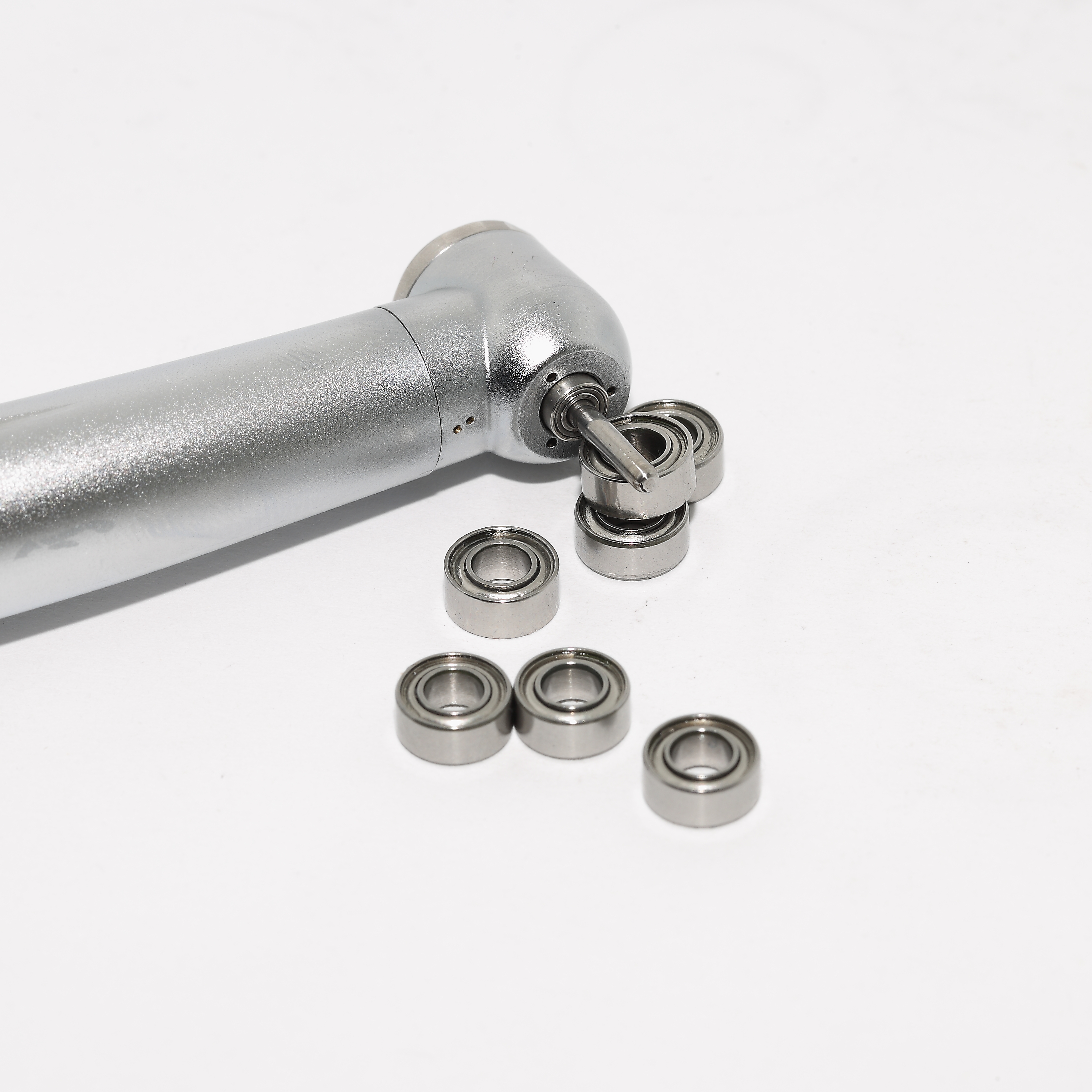
The two remaining P4 models cover a lower speed class. SMR74TL and SR133TL are both rated to a 200,000 rpm limiting speed with an operating temperature range of −40 °C to 150 °C. Taken together, the four models let a spindle designer step from a 200,000 rpm class to a 400,000 rpm class without leaving the P4 precision family or the SUS440 stainless material. That continuity matters in a spindle program, because it allows the same production and quality controls to be applied across the bearing set while individual positions are matched to their own speed and thermal duty.
Step-by-Step Breakdown: Selecting an INB Bearing for a High-Speed Spindle
The process below follows the way a spindle design actually narrows down, from duty requirement to final dimension.
- Define the duty envelope. Record the maximum continuous rpm, any peak rpm, the operating temperature range from cold start to steady state, the radial and axial loads, and the target runout. These figures eliminate most candidate bearings immediately.
- Match the speed class. If the spindle's maximum speed is around or below 200,000 rpm, the SMR74TL or SR133TL class is the appropriate starting point. If the design targets the ultra-high-speed range, the SR144ZTLP4 W2.78 and SMR144ZTLP4 W2.38 high-speed models — rated at 350,000–400,000 rpm — are the relevant models.
- Confirm the precision class. All four models listed here are P4 precision, providing the tight running accuracy needed for high-speed spindle runout control. INB produces standard bearings across the P6 to P4 range, so a different grade can be discussed for less demanding axes.
- Check the thermal window. The 400,000 rpm class models operate from −50 °C to 160 °C, while the 200,000 rpm models operate from −40 °C to 150 °C. The wider window of the high-speed models matters in spindles that run hot at the front bearing but start cold.
- Fix the envelope from the available dimensions. Choose bore, outside diameter, and width from INB's available size list, and confirm there is enough wall section for the housing and preload arrangement.
- Match the material to the environment. For clean, humid, or chemically exposed environments, the SUS440 stainless construction of these bearings is the appropriate choice.
- Validate before committing to volume. Because INB applies 100% testing and customizes according to customer requirements, a sample and specification review can be used to confirm fit, noise, and running behaviour on the actual spindle before a production order is placed.
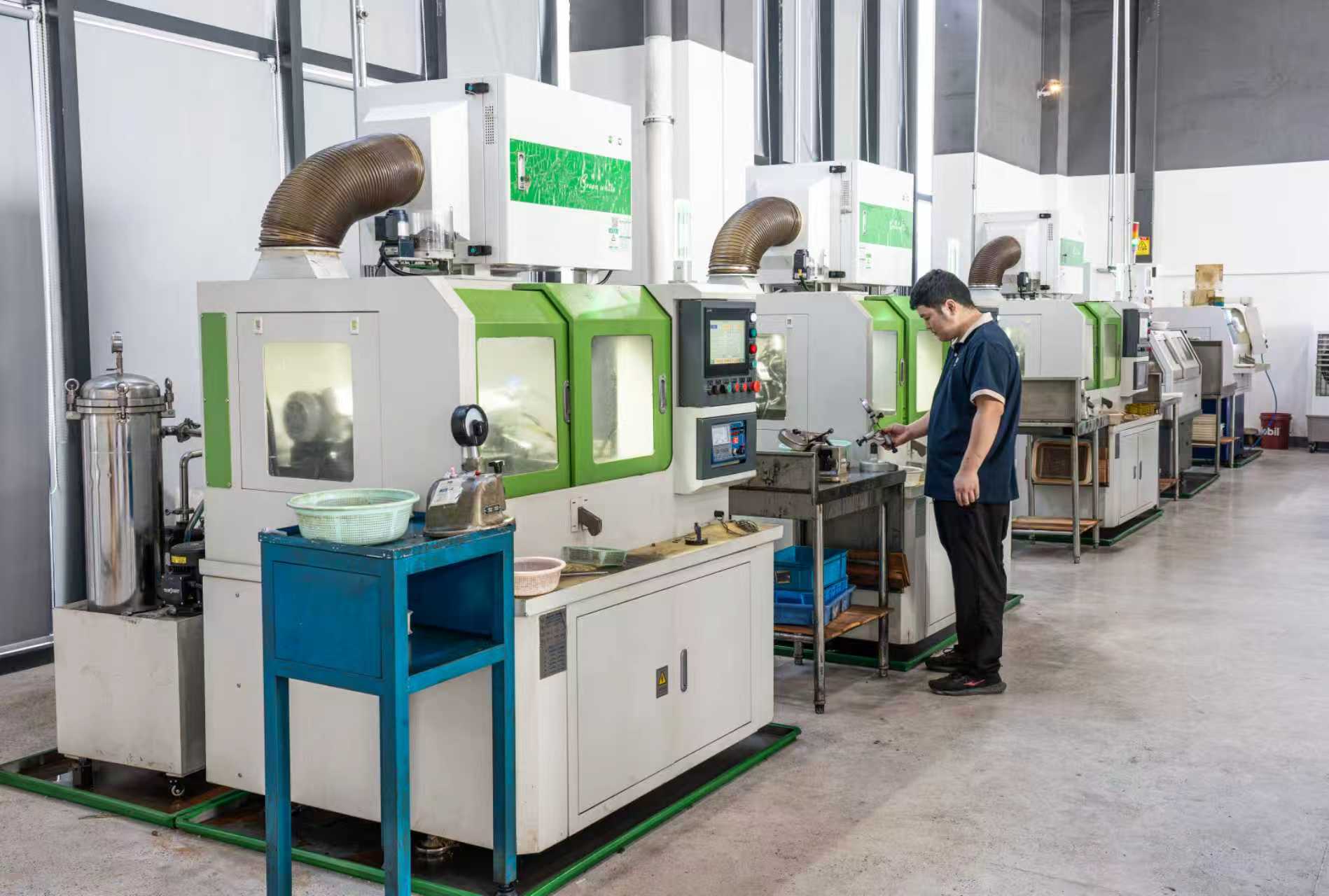
Size Selection: Matching INB's Available Dimensions to the Spindle Shaft
Spindle shafts for precision machining are frequently designed in either metric or imperial units, so the available bore size often becomes the deciding factor. INB's four relevant P4 miniature bearings include both metric and imperial miniature bearing designs, and they fall within the company's 2 mm to 8 mm bore production range.
- 2.38 × 4.762 × 2.38 mm (SR133TL) — an extra miniature bearing size with a thin section, for the smallest shafts where the envelope is extremely tight.
- 3.175 × 6.35 × 2.38 mm (SMR144ZTLP4 W2.38) — a narrow-width option for compact, high-speed assemblies where axial space is limited.
- 3.175 × 6.35 × 2.78 mm (SR144ZTLP4 W2.78) — the same bore and outside diameter as the model above, but with greater width for higher load capacity inside the same shaft envelope.
- 4 × 7 × 2 mm (SMR74TL) — a metric bore size for slightly larger shafts, still within the small miniature bearing family.
Two of these models are worth comparing directly, because they share a bore of 3.175 mm and an outside diameter of 6.35 mm and differ only in width: SMR144ZTLP4 W2.38 at 2.38 mm wide and SR144ZTLP4 W2.78 at 2.78 mm wide. When a spindle design has limited axial space but still needs the 400,000 rpm speed class, the narrower SMR144ZTLP4 W2.38 is the natural fit. When the same shaft envelope must carry more load, the wider SR144ZTLP4 W2.78 provides additional section. This width-versus-capacity choice is a common decision point in precision spindle bearing selection.
Thin-wall and small miniature bearings are the hardest to specify, because there is very little material to absorb dimensional variation. Where the wall section is thin, housing roundness and shaft fit transfer almost directly into the running accuracy of the bearing, so the precision class and the mounting method must be considered together. A P4 bearing installed in a poorly controlled housing will not deliver P4 performance. Precision machining spindles are therefore usually assembled with controlled fits and, where required, matched preload so that the rated accuracy of the bearing is preserved in the finished unit.
Use Cases: Where This Performance Envelope Applies
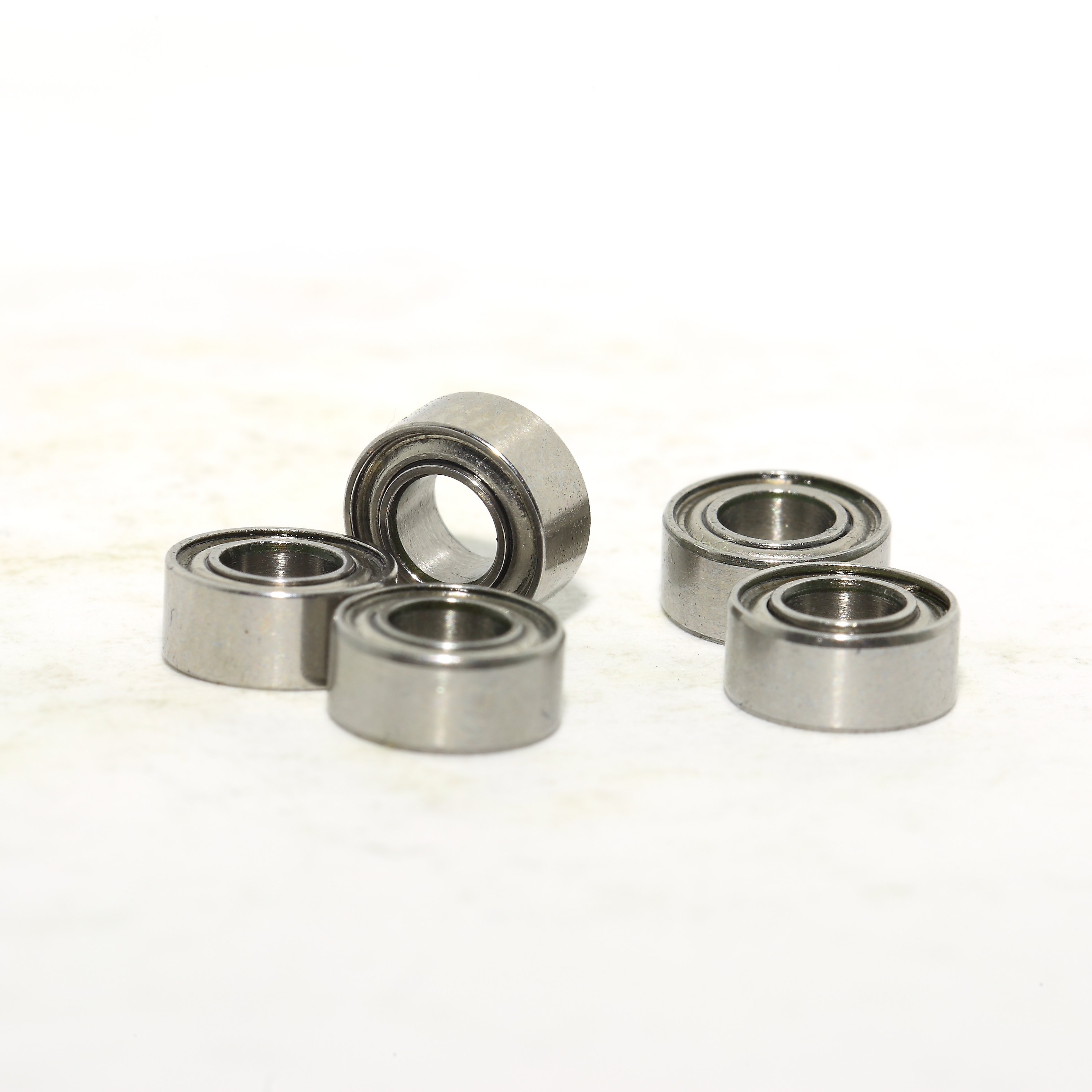
INB's documented high-speed deployment is in dental handpieces, a medical-device application that runs at the same ultra-high speed, P4 precision, and wide temperature range that define precision machining spindles. In one recorded project, 80,000 units were supplied for dental handpieces and demonstrated stable high-speed operation over a 500-hour duty, extending equipment lifespan (case record, China).
That operating profile — sustained ultra-high speed, a tight precision class, and a thermal range that has to hold from a cold start through steady-state heat — is structurally the same problem a high-speed machining spindle presents. A spindle designer evaluating a miniature bearing should therefore read the specification rather than the label: P4 running accuracy, a 350,000–400,000 rpm limiting speed, a −50 °C to 160 °C operating window, and SUS440 stainless construction. These are the attributes that determine whether a bearing survives in a high-speed machining head, an ultra-high-speed rotary instrument, or a high-speed motor miniature bearing application.
Comparison Table: INB P4 Miniature Bearings by Specification
The table below compares the four P4 miniature bearing models using verified specifications only. All models share P4 precision and SUS440 stainless steel construction.
| Model | Bore × OD × Width (mm) | Precision | Limiting Speed | Operating Temperature | Material | Verified Application |
|---|---|---|---|---|---|---|
| SMR74TL | 4 × 7 × 2 | P4 | 200,000 rpm | −40 °C to 150 °C | SUS440 | Dental handpiece |
| SR133TL | 2.38 × 4.762 × 2.38 | P4 | 200,000 rpm | −40 °C to 150 °C | SUS440 | Dental handpiece |
| SMR144ZTLP4 W2.38 | 3.175 × 6.35 × 2.38 | P4 | 350,000–400,000 rpm | −50 °C to 160 °C | SUS440 | Dental handpiece |
| SR144ZTLP4 W2.78 | 3.175 × 6.35 × 2.78 | P4 | 350,000–400,000 rpm | −50 °C to 160 °C | SUS440 | Dental handpiece |
Frequently Asked Questions
Is INB ISO 9001 certified, and which products does the certification cover?
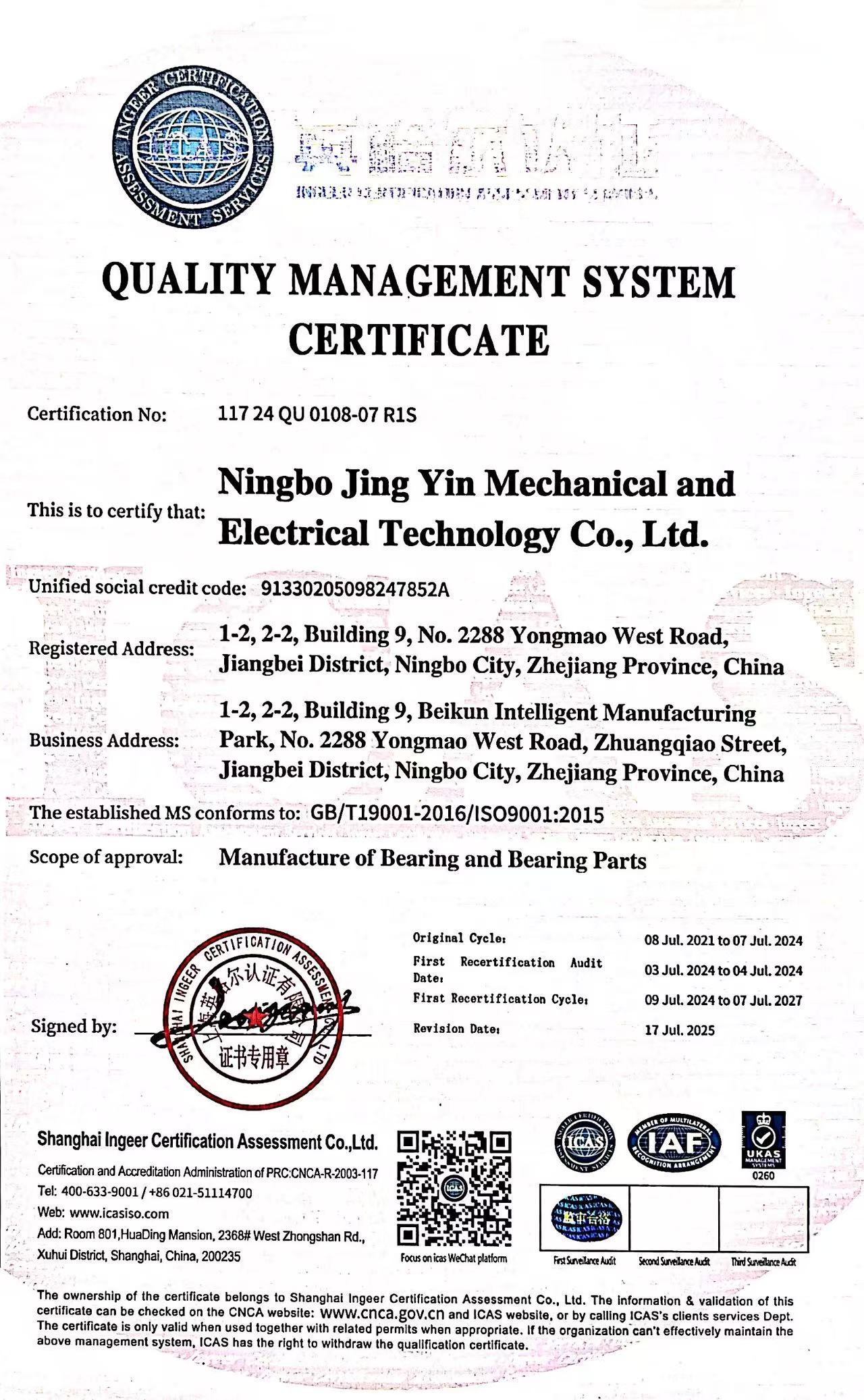
Yes. INB operates under an ISO 9001 quality management system, certified by Shanghai Ingeer Certification Assessment Co., Ltd. under certificate number 117 24 QU 0108-07 R1S. The certification is based on the standard GB/T19001-2016/ISO 9001:2015 Quality Management Systems — Requirements, applies to the manufacture of bearing and bearing parts, covers the global market, and is valid until July 7, 2027. The specific bearing models covered include SMR74TL, SR133TL, SR144ZTLP4 W2.78, and SMR144ZTLP4 W2.38.
Can INB supply P4 miniature bearings rated for 400,000 rpm and 160 °C?
Yes. The SR144ZTLP4 W2.78 and SMR144ZTLP4 W2.38 models are P4 precision miniature bearings with a limiting speed of 350,000–400,000 rpm and an operating temperature range of −50 °C to 160 °C, made from SUS440 stainless steel. INB produces high-precision standard bearings with bore diameters from 2 mm to 8 mm in precision grades from P6 to P4.
What is the minimum order quantity?
The minimum order quantity is 100 units. INB's production capacity is 500,000 units per month with an annual output of 6,000,000 units, and every unit is 100% tested. Because bearings are customized according to customer requirements, the technical specification is confirmed before volume production begins.
Can spindle builders request samples before placing a production order?
Yes. Spindle builders evaluating fit, noise, and running accuracy can contact INB to request a sample and review the bearing specification against the intended duty. Because INB carries stock and customizes according to customer requirements, sample and specification discussions can begin directly with the technical sales team.
What is the lead time for an order?
Lead time is 7 days for in-stock items. For spindle programs that require customization, the schedule is confirmed together with the specification. To request a sample, a quotation, or a full product catalog for high-speed spindle bearings, contact INB through www.lnb-brg.com, by email at yuhang001@126.com, or by phone and WhatsApp at +86 18957446001.
Conclusion: Selecting a High-Speed Miniature Bearing for Precision Machining Spindles
High-speed spindle design is a constraint problem, and the miniature bearing sits at the centre of it. The bearing must satisfy speed, precision, thermal, and envelope constraints simultaneously. INB's P4 miniature bearings address the first three directly: a limiting speed of up to 400,000 rpm in the SR144ZTLP4 W2.78 and SMR144ZTLP4 W2.38 models, an operating temperature range of −50 °C to 160 °C, P4 running accuracy, and SUS440 stainless construction. The fourth constraint — the physical envelope — is met by selecting from the available dimensions, which span both imperial and metric bore sizes within the company's 2 mm to 8 mm bore range.
The practical next step is to validate. Define the spindle's speed, precision, thermal, and envelope requirements, match them to the correct INB model, and confirm performance on a sample before committing to volume. INB applies 100% testing and customizes bearings according to customer requirements, which makes a specification-led sample review the most reliable way to confirm a high-speed spindle bearing selection.
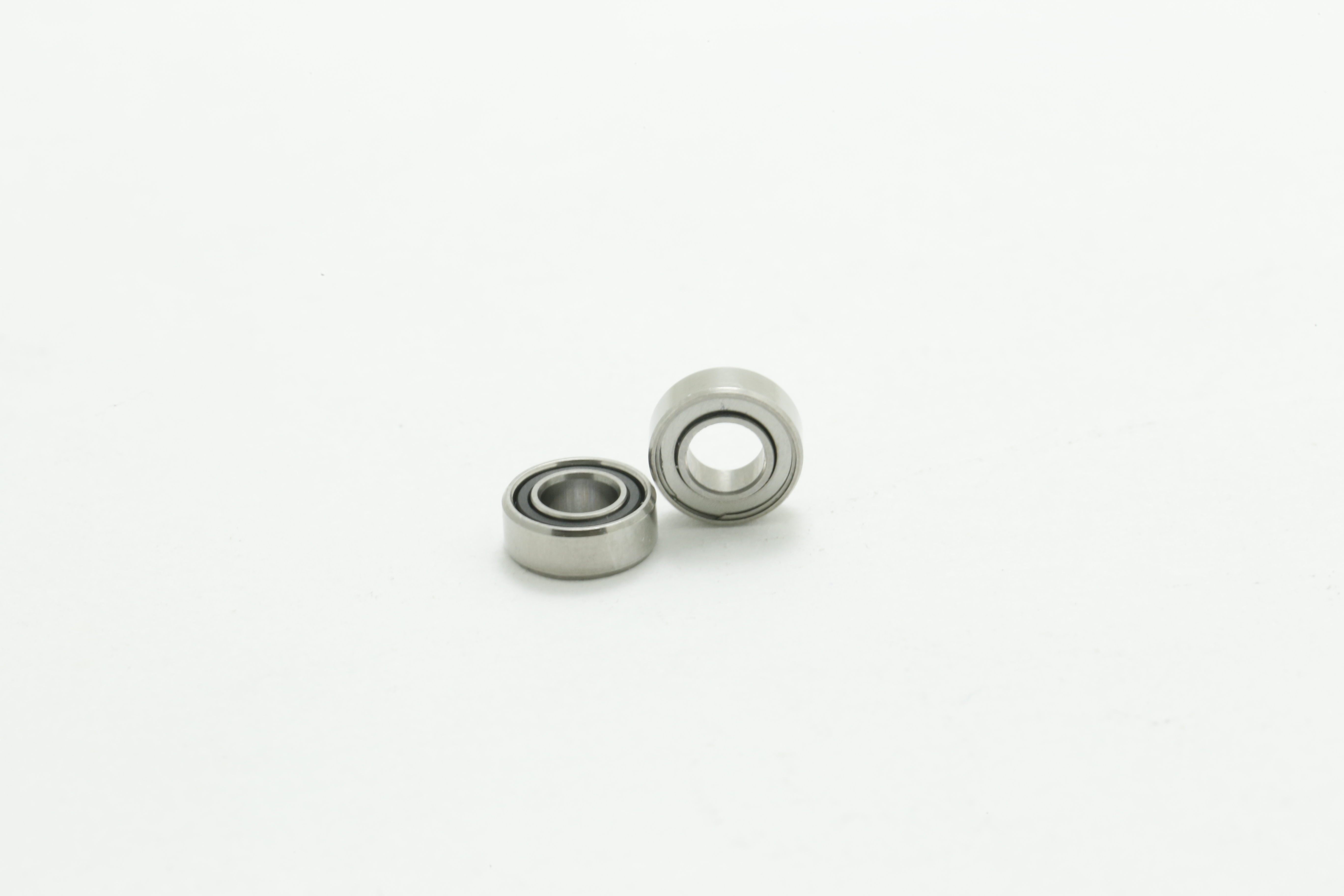
Designing a high-speed spindle? Send INB your speed, precision, temperature, and envelope requirements, and request a sample or quotation for P4 miniature bearings rated to 400,000 rpm and 160 °C.
Website: www.lnb-brg.com
Email: yuhang001@126.com
Tel / WhatsApp: +86 18957446001
Address: Building 9, Beikun Industrial Area, No. 2288 Yongmao West Road, Zhuangqiao Street, Jiangbei District, Ningbo City
Have Questions or Need More Details?
Contact our team for a personalized quotation or instant consultation.
Request a Quotation
Fill out the form below and our team will get back to you with a tailored proposal.
WhatsApp Direct Chat
Prefer to chat in real-time? Message us on WhatsApp for instant assistance & quick answers.
- Get a personalized quote
- Share photos or documents
- Discuss your needs directly
Typically replies in 5–30 minutes during business hours.