
Long-Term Supply Partnerships for Miniature Bearings: What OEMs Should Expect
A miniature bearing is one of the lowest-cost items on a dental handpiece or micro-motor bill of materials, and it is often the part that decides whether the finished device runs smoothly at 350,000–400,000 rpm or returns for service. That mismatch is why OEM buyers should evaluate a bearing supplier as a supply partner rather than as a component vendor.
A long-term miniature bearing partnership should deliver five repeatable outcomes: consistent P4 precision across lots, documented material traceability for SUS440 stainless steel, model consistency across every reference the program repeats — including parts such as SR133TL and SMR74TL — after-sales support with a defined remedy path, and enough capacity to absorb dental handpiece production ramps. This guide explains what each expectation means, how to verify it before signing, and where the limits of a compact specialist manufacturer lie.
INB is the miniature bearing brand of Ningbo City Jingyin Electromechanical Technology Co., Ltd., a manufacturer based in Jiangbei District, Ningbo, Zhejiang, China, whose products mainly serve the domestic medical device and micro-motor industries. INB is used as the reference example throughout this guide because its published capability, certification and case data make each partnership criterion concrete.
Problem Definition: Why Miniature Bearing Supply Breaks Down After the First Order
Supply problems in miniature bearings rarely appear in the first shipment. They appear in the twelfth, when volumes have grown, the second or third production lot reaches the assembly line, and the parts no longer behave like the samples.
Five failure patterns explain most of it.
- Sample-to-production gap. A sample batch can be inspected individually and selected by hand. A production run measured in hundreds of thousands of units per month cannot. What an OEM actually buys is the supplier's process capability, and process capability is the only thing that survives scale.
- Precision treated as a label rather than a distribution. P4 and ABEC 7 both describe tolerance classes for high-precision miniature bearings. A class certificate does not describe how tightly a supplier's lots cluster inside that class, or how far they drift between orders.
- Material documentation that fades. Stainless steel miniature bearing programs depend on the specified grade being used every time. Stainless steel 440C is the primary material for miniature bearings in medical and food-processing applications because of moisture and chemical resistance (SKDIN Engineering Guide), and substitution tends to appear as corrosion and premature failure rather than as a line item on an invoice.
- Model drift across repeated references. A dental handpiece or micro-motor program may repeat the same references for years — SMR144ZTLP4 W2.38 in one position, SR133TL or SMR74TL in another. When a reference is re-sourced, the OEM pays twice: once in requalification testing and once in field risk.
- Capacity and lead time. A partner that cannot absorb a ramp forces the OEM to qualify a second source under time pressure. INB states monthly capacity of 500,000 units, annual output of 6,000,000 units and a 7-day lead time for in-stock items — numbers that should be validated against your own ramp plan rather than accepted at face value.
The cost of variance is asymmetric. A high-speed miniature bearing sits at the centre of a turbine rotating hundreds of thousands of times per minute; the component is inexpensive, the failure is not. A partnership exists to control that variance, which means controlling repeatability, documentation, capacity and service at the same time.
Industry Background: What OEM Buyers Are Actually Selecting Into
The global miniature ball bearings market was estimated at approximately USD 2.25 billion in 2025 by Future Market Insights, driven by demand in medical devices and robotics. Estimates differ between research firms — Precedence Research gives USD 2.89 billion and IMARC Group USD 2.0 billion for the same year — so a single market figure should be read as an order of magnitude, not as a precise budget input.
Regional gravity matters more than the headline. Asia Pacific accounted for roughly 60% of miniature ball bearing revenue in 2025, with China as the largest regional producer and consumer (Precedence Research). China's bearing exports rose 7.2% year-on-year in the first seven months of 2025, reaching nearly 497,852 tons (BearingNews / Huajing Research Institute). A specialist Chinese manufacturer is therefore a normal part of an OEM evaluation list, not an exception to it.
Demand is not only medical. Automotive applications — EV motors and sensors — held the largest application share at approximately 39% in 2025 (Precedence Research), one reason motor miniature bearing specifications, low-noise requirements and high-speed ratings keep improving across the whole supply base.
| Reference point | Published figure | Source |
|---|---|---|
| Global miniature ball bearings market, 2025 | Approximately USD 2.25 billion | Future Market Insights |
| Alternative 2025 market estimates | USD 2.89 billion (Precedence Research); USD 2.0 billion (IMARC Group) — estimates diverge | Precedence Research / IMARC Group |
| Asia Pacific revenue share, 2025 | Approximately 60% | Precedence Research |
| China bearing exports, January–July 2025 | +7.2% year-on-year, nearly 497,852 tons | BearingNews / Huajing Research Institute |
| Automotive application share, 2025 | Approximately 39% | Precedence Research |
| Precision standards | ABMA ABEC 1–9; ISO 492 P0–P2; DIN 620 | AST Bearings |
Precision vocabulary should be settled early. Miniature bearing precision is governed by global standards including ABMA ABEC (1–9), ISO 492 (P0–P2) and DIN 620, where a higher ABEC number correlates with tighter tolerances (AST Bearings). INB states that it produces high-precision standard bearings with bore diameters from 2 mm to 8 mm in precision grades from P6 to P4, and its dental handpiece reference SMR144ZTLP4 W2.38 is specified at P4.
Global manufacturers such as MinebeaMitsumi (dominant in small sizes), NSK, SKF and Schaeffler (Barden) define the brand-recognition end of the market (Intel Market Research). A specialist manufacturer competes on scope fit, repeatability and response rather than catalogue breadth, which is exactly where partnership criteria matter most.
Detailed Solution: What a Long-Term Miniature Bearing Partnership Should Include
1. Consistent P4 precision, demonstrated lot after lot
An OEM buying a high-precision miniature bearing for a dental turbine is not buying a grade; it is buying the probability that part 1 and part 500,000 behave the same way. P4 precision should therefore be shown as a lot-to-lot property, with inspection data that can be compared between shipments rather than a single test report attached to a sample.
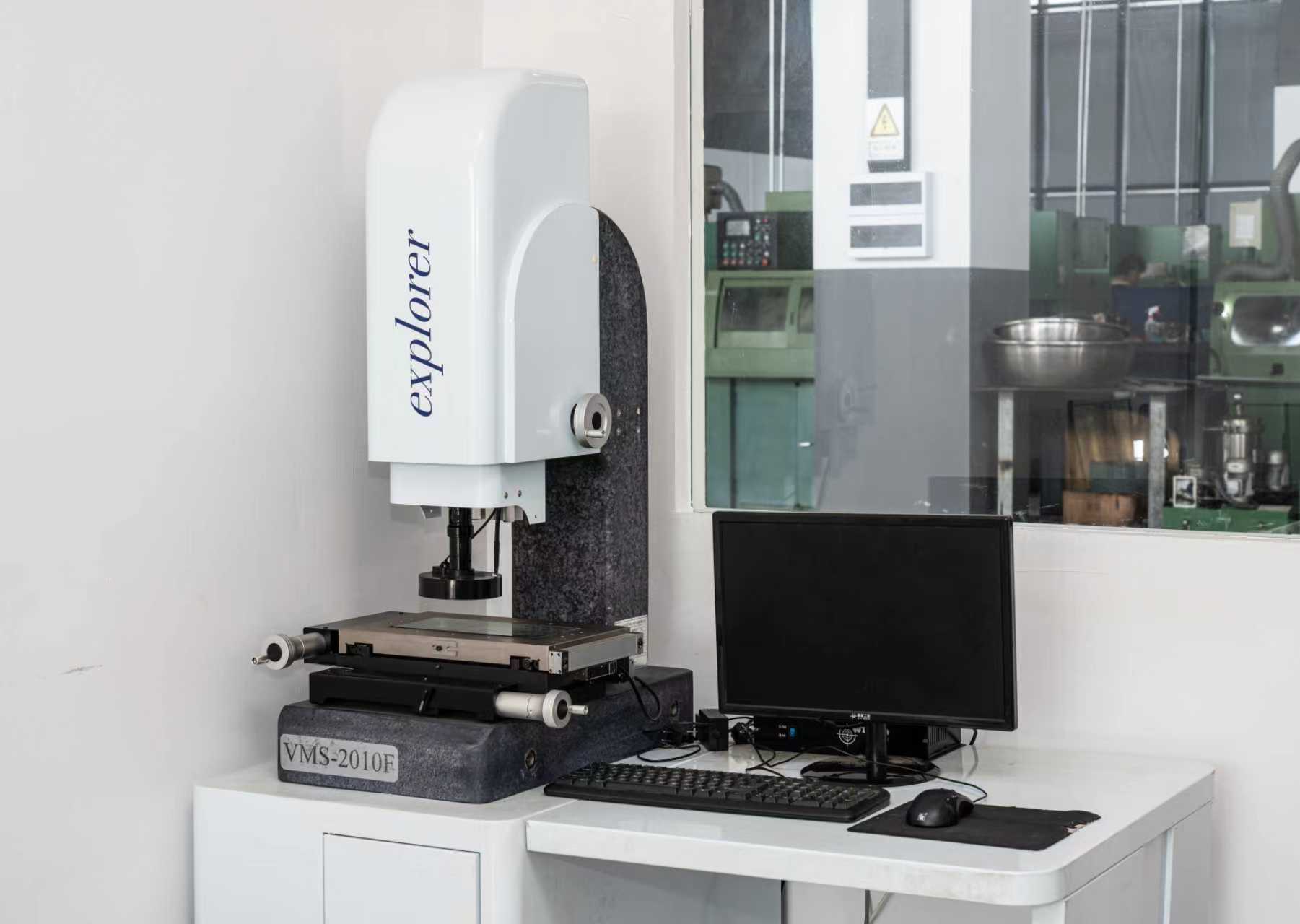
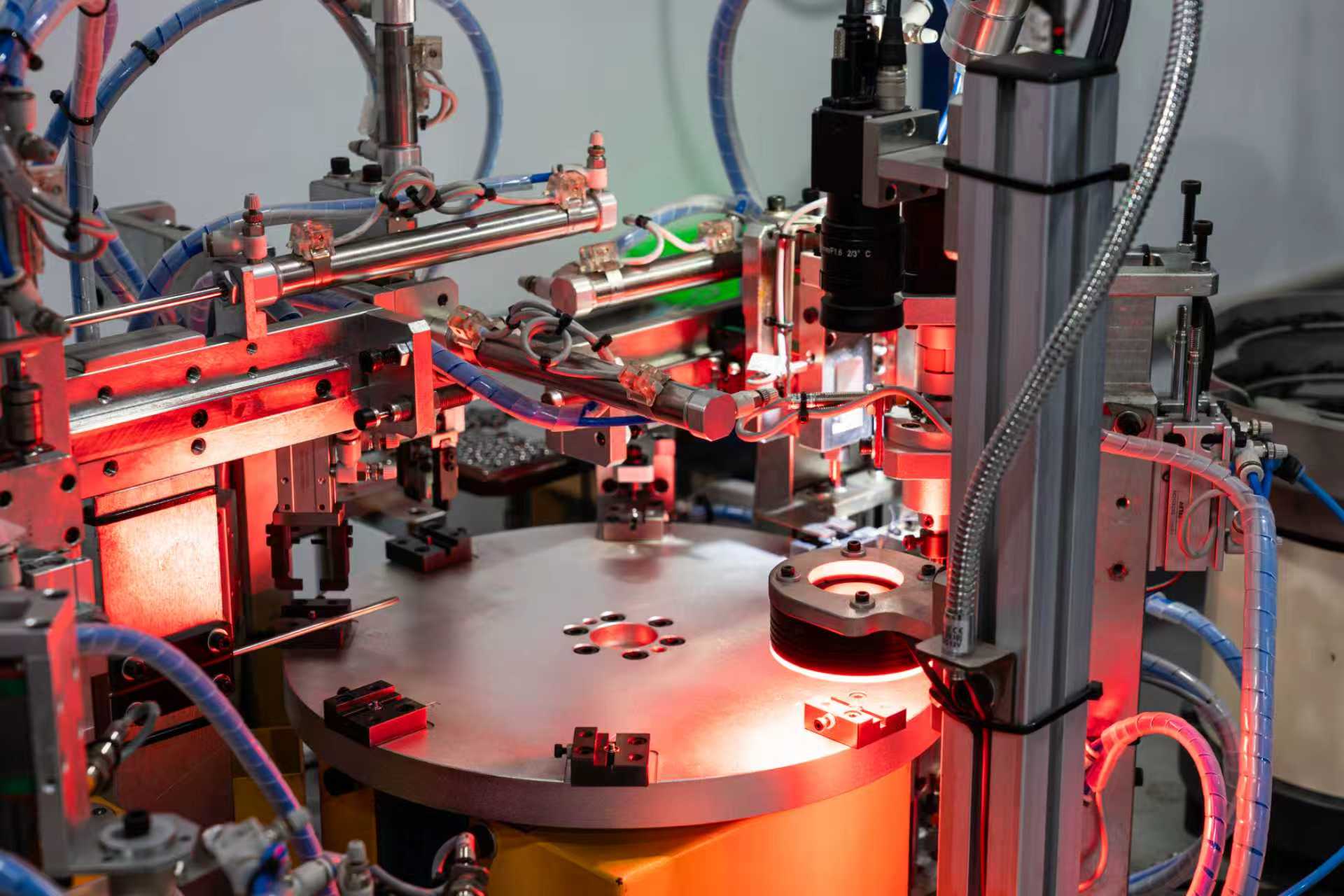
In practice this means agreeing which characteristics are measured, on which instrument, and at what frequency. INB's inspection setup includes hardness testers, roundness meters, profilometers, roughness measuring equipment and microscopes, and the company states that production is carried out with 100% testing. The useful audit question is not whether a supplier has a P4 part on the shelf, but which instrument produced the number on the certificate and who signs it.
2. Material traceability for SUS440 stainless steel
Stainless steel 440C is the primary material for miniature bearings used in medical and food-processing applications because of moisture and chemical resistance (SKDIN Engineering Guide). INB lists SUS440 as the material for SMR144ZTLP4 W2.38, a P4 bearing for dental handpieces. A partnership should convert that material statement into a document trail: grade confirmation per lot, and a written approval step before any substitution.
The operational reason is simple. A stainless steel miniature bearing that is not the specified grade can pass incoming inspection and still fail in the field, after cleaning agents, lubricant chemistry or repeated sterilisation cycles have done their work. Traceability is what makes a claim resolvable instead of a negotiation.
3. Model consistency across the references you repeat
Long programs repeat references. A dental handpiece line may run the same two or three bearing references for years, while a micro-motor line adds extra miniature bearing sizes, imperial-series references or thin-wall variants as the portfolio grows. Model consistency — same reference, same dimensions, same internal behaviour — is the least glamorous and most valuable part of a supply partnership.
SR133TL and SMR74TL are typical examples of references an OEM expects a partner to keep stable for the length of a program, alongside the P4 dental bearing SMR144ZTLP4 W2.38 specified at 3.175 × 6.35 × 2.38 mm, with a limiting speed of 350,000–400,000 rpm and an operating temperature range of -50 °C to 160 °C. When a reference is re-sourced mid-program, requalification and field risk both become the buyer's cost.
4. After-sales support with a defined remedy path
After-sales in miniature bearings is a technical function, not a customer-service slogan. When a lot is questioned, the partner should be able to trace it, retrieve its inspection data and act. INB states after-sales return and exchange as its remedy policy and operates as an OEM supplier that customizes according to customer requirements — which matters, because a replacement is only useful if it matches the original specification exactly.
Buyers should write three things into the agreement: who responds, within what time, and what evidence is required. A partner that answers a technical question with inspection data is more valuable than one that answers with reassurance.
5. Scalability for dental handpiece production runs
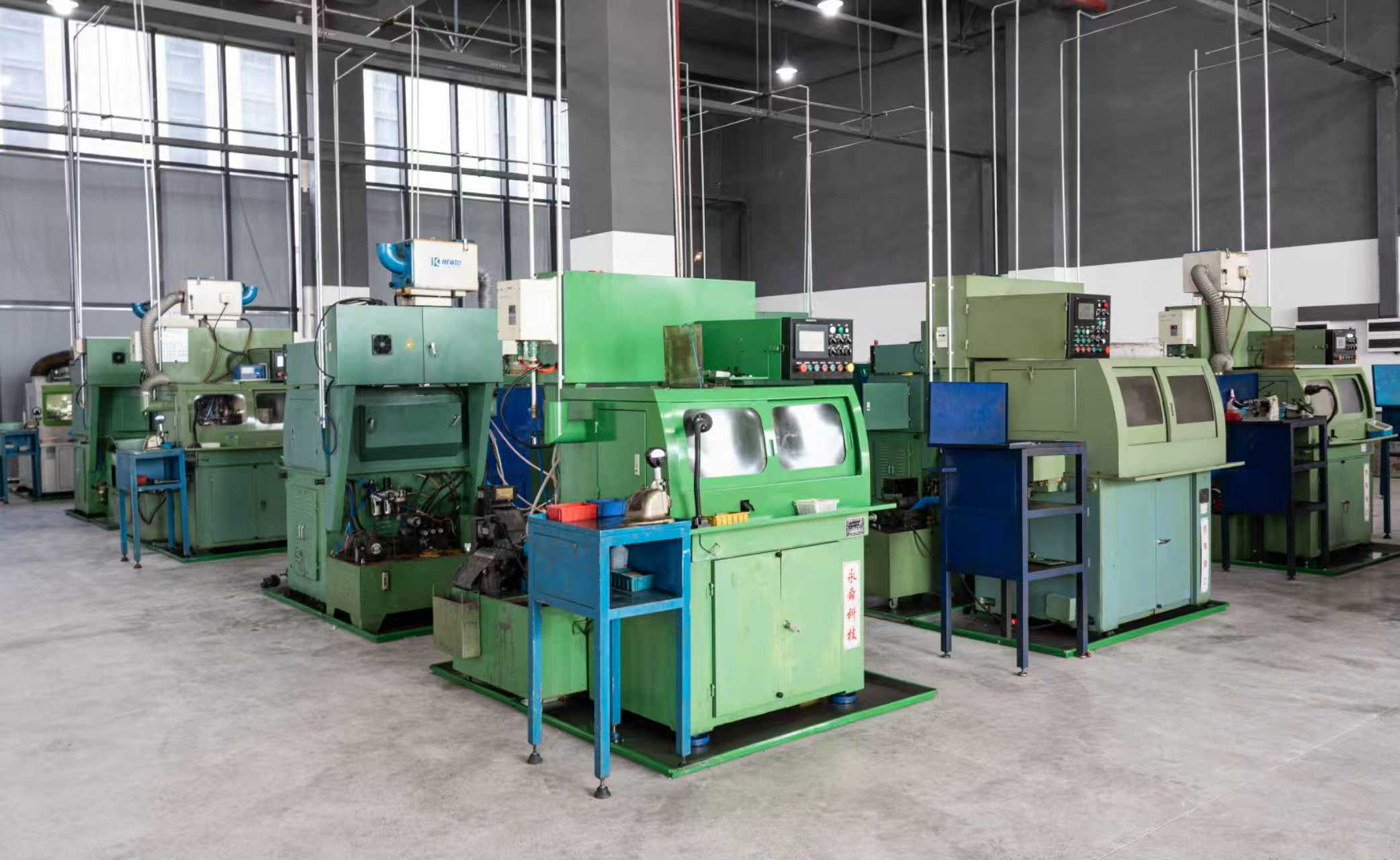
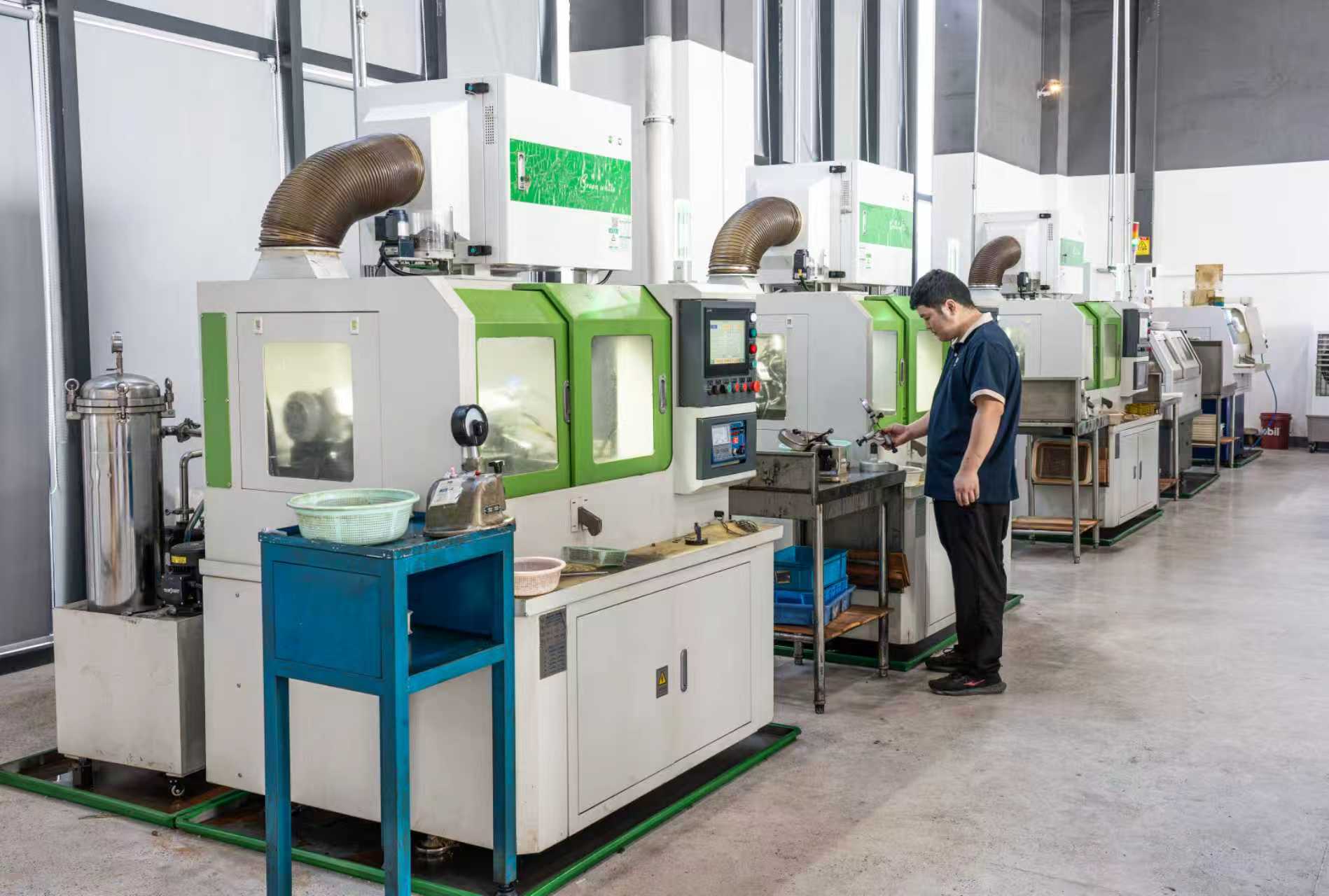
Scale in miniature bearings is not about factory size; it is about whether capacity, inspection and material supply can absorb an OEM's ramp without the process changing. INB reports monthly capacity of 500,000 units and annual output of 6,000,000 units, with a minimum order quantity of 100 units and a stated lead time of 7 days for in-stock items.
The 100-unit MOQ matters for a second reason: it makes a genuine validation batch possible before a multi-year commitment, which is where most supply partnerships should begin. In one medical device program, INB supplied 80,000 units for dental handpiece applications, where the bearings demonstrated stable high-speed operation and extended equipment lifespan over a 500-hour evaluation.
Step-by-Step Breakdown: Six Steps to Qualify a Partner Before You Commit
- Define the part scope and duty cycle. List every reference the program repeats, the expected speed, temperature and load, and the annual volume including the ramp. Partnership terms that are not tied to a duty cycle cannot be enforced later.
- Verify the quality management system, not just the certificate image. INB holds ISO 9001 certification against GB/T19001-2016 / ISO 9001:2015, certificate number 117 24 QU 0108-07 R1S, issued by Shanghai Ingeer Certification Assessment Co., Ltd. on 9 July 2024 and valid until 7 July 2027, with the scope “Manufacture of Bearing and Bearing Parts”. Confirm the scope covers your parts and that the expiry date runs well beyond your program timeline.
- Confirm material and model documentation. Require the material grade — SUS440 for the P4 dental reference — and the exact reference designation, then define in writing how a change of material, tooling or sub-supplier would be communicated and approved.
- Audit measurement capability. Ask which instruments measure roundness, roughness, hardness and profile, and how often. INB's inspection resources include hardness testers, roundness meters, profilometers, roughness measuring equipment and microscopes.
- Run a validation batch into real production. A 100-unit minimum order quantity allows a production-representative batch rather than a hand-picked sample. Test at the application's limiting speed and temperature range, include noise assessment for low-noise positions, and compare results with the supplier's own 100% test records.
- Write the commercial and continuity terms. Fix the lead time for stocked items (7 days for in-stock items at INB), the monthly capacity ceiling (500,000 units), the buffer stock policy, the remedy path (after-sales return and exchange) and the escalation contact.
Ranked priorities when evaluation time is limited: 1) model consistency across repeated references; 2) lot-to-lot precision consistency at the required class; 3) material traceability for SUS440; 4) documented quality-system coverage and validity; 5) capacity and lead-time headroom; 6) after-sales remedy. The order changes only if a device is already in the field with a quality issue — then traceability moves to the top.
Use Cases: Where a Long-Term Partnership Pays Off
Dental handpiece turbine production. In a China-based medical device program, INB supplied 80,000 units for dental handpiece applications; the bearings demonstrated stable high-speed operation and extended equipment lifespan over a 500-hour evaluation. For a turbine running at 350,000–400,000 rpm, that combination of speed stability and service life is the practical definition of partnership value.
Micro-motor and small drive assemblies. Micro-motor programs typically combine motor miniature bearing references with low-noise and high-speed requirements, and they change more often than medical programs. A partner that holds references stable and customizes according to customer requirements reduces the requalification load on the engineering team.
Distributor and aftermarket programs. Distributors carrying extra miniature bearing, imperial and thin-wall references depend on incoming consistency, because they cannot inspect what they resell to the same depth as an OEM. Documented material grade and repeatable precision are the distributor's quality argument.
Export-oriented OEM programs. INB's stated export markets include Russia, and export programs add packaging, documentation and lead-time requirements to the base specification. Those are easier to agree at the start of a partnership than to negotiate after the first container.
Comparison Table: Partnership Expectations vs Verifiable Evidence
| Partnership element | What an OEM should expect | Verifiable evidence |
|---|---|---|
| Precision consistency | Same P4 class, lot after lot | INB produces precision grades from P6 to P4; SMR144ZTLP4 W2.38 is specified at P4 |
| Material traceability | Documented SUS440, substitution approved in writing | INB lists SUS440 for the P4 dental handpiece bearing; stainless steel 440C is the primary material for medical and food-processing miniature bearings (SKDIN Engineering Guide) |
| Model consistency | Repeated references unchanged across the program | Program references include SR133TL and SMR74TL; SMR144ZTLP4 W2.38 at 3.175 × 6.35 × 2.38 mm |
| High-speed capability | A rating that covers the application, with temperature headroom | Limiting speed 350,000–400,000 rpm; operating temperature -50 °C to 160 °C |
| Quality system | A valid certificate whose scope covers bearing manufacture | ISO 9001, certificate number 117 24 QU 0108-07 R1S, issued 2024-07-09, valid to 2027-07-07, scope: Manufacture of Bearing and Bearing Parts |
| Inspection discipline | Data per lot, not per sample | 100% test; hardness testers, roundness meters, profilometers, roughness measuring equipment and microscopes in the inspection setup |
| Scalability | Capacity above the OEM ramp plan | 500,000 units per month; 6,000,000 units per year; OEM production with customization according to customer requirements |
| Commercial entry point | Low-risk validation before volume commitment | Minimum order quantity 100 units; 7-day lead time for in-stock items |
| Service continuity | A defined remedy, not an informal promise | After-sales return and exchange |
Frequently Asked Questions
What certifications should a long-term miniature bearing partner hold?
At minimum, a currently valid quality management system certificate whose scope covers bearing manufacture. INB holds ISO 9001 certification against GB/T19001-2016 / ISO 9001:2015, certificate number 117 24 QU 0108-07 R1S, issued by Shanghai Ingeer Certification Assessment Co., Ltd. on 9 July 2024 and valid until 7 July 2027, with the scope “Manufacture of Bearing and Bearing Parts”. Buyers should verify the scope wording and the expiry date, because a certificate that does not cover bearing manufacture does not cover the parts being purchased.
Can a compact manufacturer support OEM-scale dental handpiece production?
Capacity should be judged against the annual program rather than the supplier's headcount. INB operates an OEM production model with monthly capacity stated at 500,000 units and annual output of 6,000,000 units, produces high-precision standard bearings with bore diameters from 2 mm to 8 mm in precision grades from P6 to P4, and applies 100% testing. In one medical device program, INB supplied 80,000 units for dental handpiece applications, where the bearings demonstrated stable high-speed operation and extended equipment lifespan. Customization is carried out according to customer requirements.
How should OEM buyers approach cost in a long-term bearing partnership?
Purchase price is only one cost line. The larger drivers are requalification when a supplier changes, buffer stock carried to protect a handpiece or micro-motor line, and the handling cost of returns. INB's stated minimum order quantity is 100 units with a 7-day lead time for in-stock items, which keeps the cost of validating and holding stock proportionate. Pricing itself depends on model, volume and commercial terms, so it should be quoted per program rather than compared on a single reference.
Can samples be validated before committing to a long-term agreement?
Yes — and a partnership should be structured so validation happens before volume terms are fixed. A minimum order quantity of 100 units makes a production-representative batch practical, and INB states that customization is carried out according to customer requirements. A useful validation plan measures the same characteristics the OEM will check in incoming inspection — precision class, noise behaviour and high-speed performance at the application's limiting speed — and follows the style of evaluation used in INB's dental handpiece program, where bearings demonstrated stable high-speed operation and extended equipment lifespan over 500 hours.
What lead time and after-sales terms belong in a miniature bearing supply agreement?
Write down the lead time for stocked items, the lead time for customized parts, the monthly capacity ceiling, the buffer stock policy and the remedy path. INB states a 7-day lead time for in-stock items and offers after-sales return and exchange. To discuss a validation batch or a quotation for a dental handpiece or micro-motor program, contact INB through www.lnb-brg.com.
Conclusion
A long-term miniature bearing partnership is not defined by a catalogue or a price list. It is defined by whether the same P4 precision, the same SUS440 material, the same references and the same response arrive in month twelve as they did in month one — and whether the supplier can scale with a dental handpiece program as volumes rise.
For OEM buyers at the evaluation stage, the sequence is straightforward: define the scope and duty cycle, verify the quality system and its validity dates, audit measurement and material traceability, validate with a real batch, then commit to volume terms. INB, the miniature bearing brand of Ningbo City Jingyin Electromechanical Technology Co., Ltd. in Jiangbei District, Ningbo, Zhejiang, states ISO 9001 certification, 500,000 units of monthly capacity and an OEM model with customization according to customer requirements — a combination that can be checked against the criteria above rather than assumed.
Next step for OEM buyers
If you are evaluating a long-term supply scope for dental handpiece or micro-motor miniature bearings, request a validation batch or a quotation against your reference list.
Visit www.lnb-brg.com to start the conversation with INB.
Have Questions or Need More Details?
Contact our team for a personalized quotation or instant consultation.
Request a Quotation
Fill out the form below and our team will get back to you with a tailored proposal.
WhatsApp Direct Chat
Prefer to chat in real-time? Message us on WhatsApp for instant assistance & quick answers.
- Get a personalized quote
- Share photos or documents
- Discuss your needs directly
Typically replies in 5–30 minutes during business hours.