
Dental Handpiece Bearing Overheating at 400,000 RPM? P4, SUS440, and Temperature Fixes
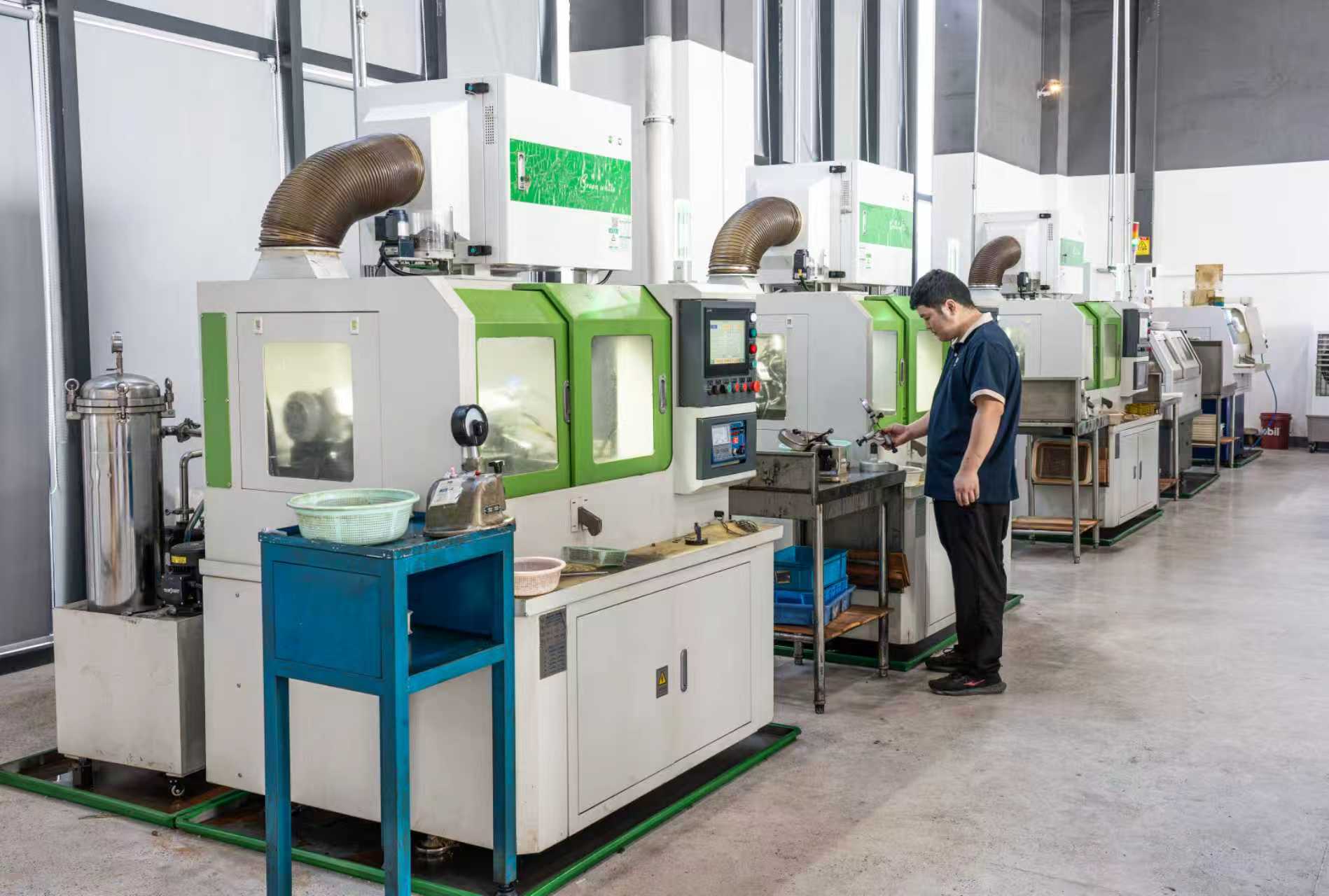
When a dental handpiece turbine runs hot, the bearing is normally the first part replaced and the last part measured - which is why the same overheating problem often returns after a repair. Heat at 400,000 rpm has three separable causes: running above the bearing's limiting speed, substituting a precision grade lower than the spindle was designed for, and fitting a dimensionally mismatched bearing that adds axial preload. Only one of those three is solved by simply ordering another bearing of the same size.
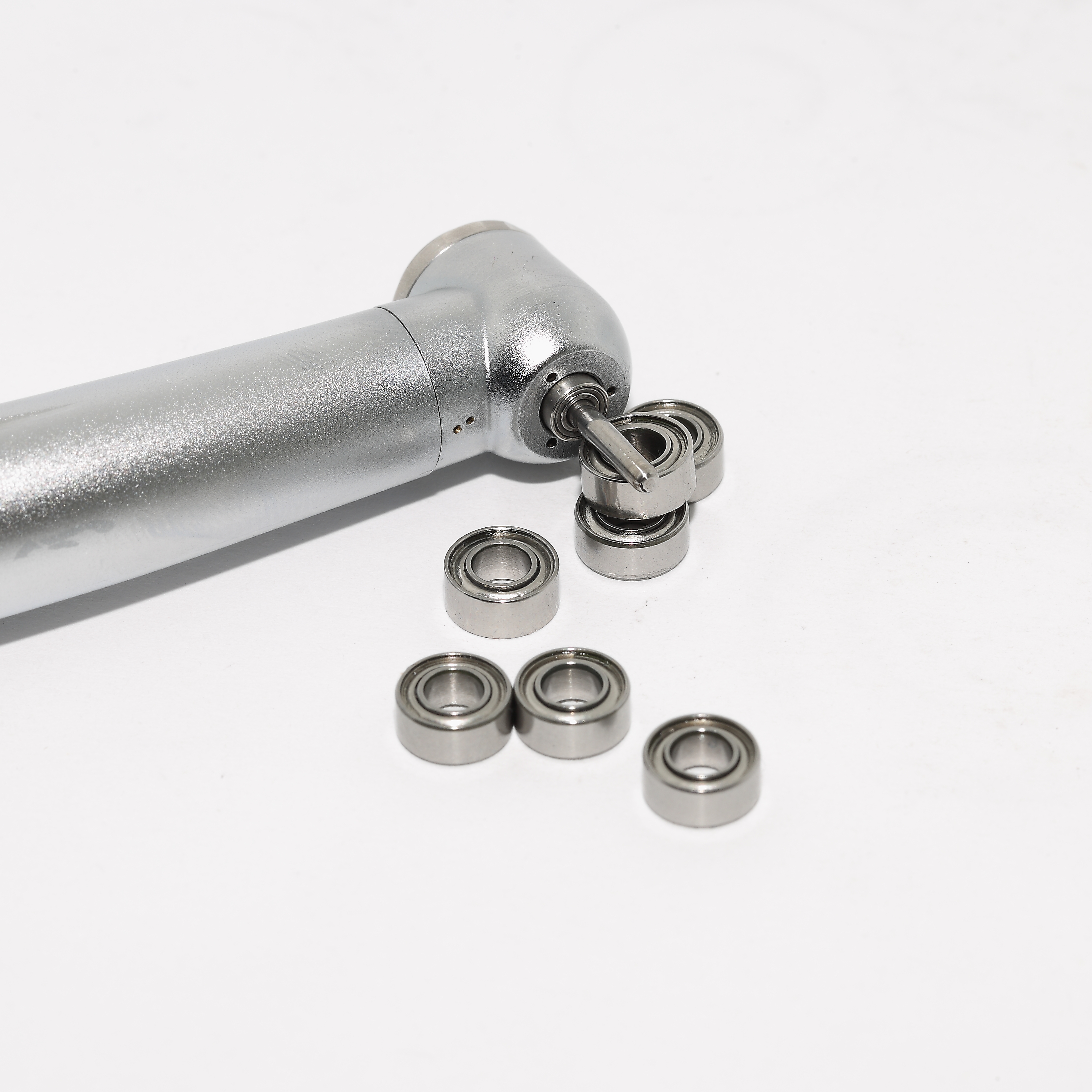
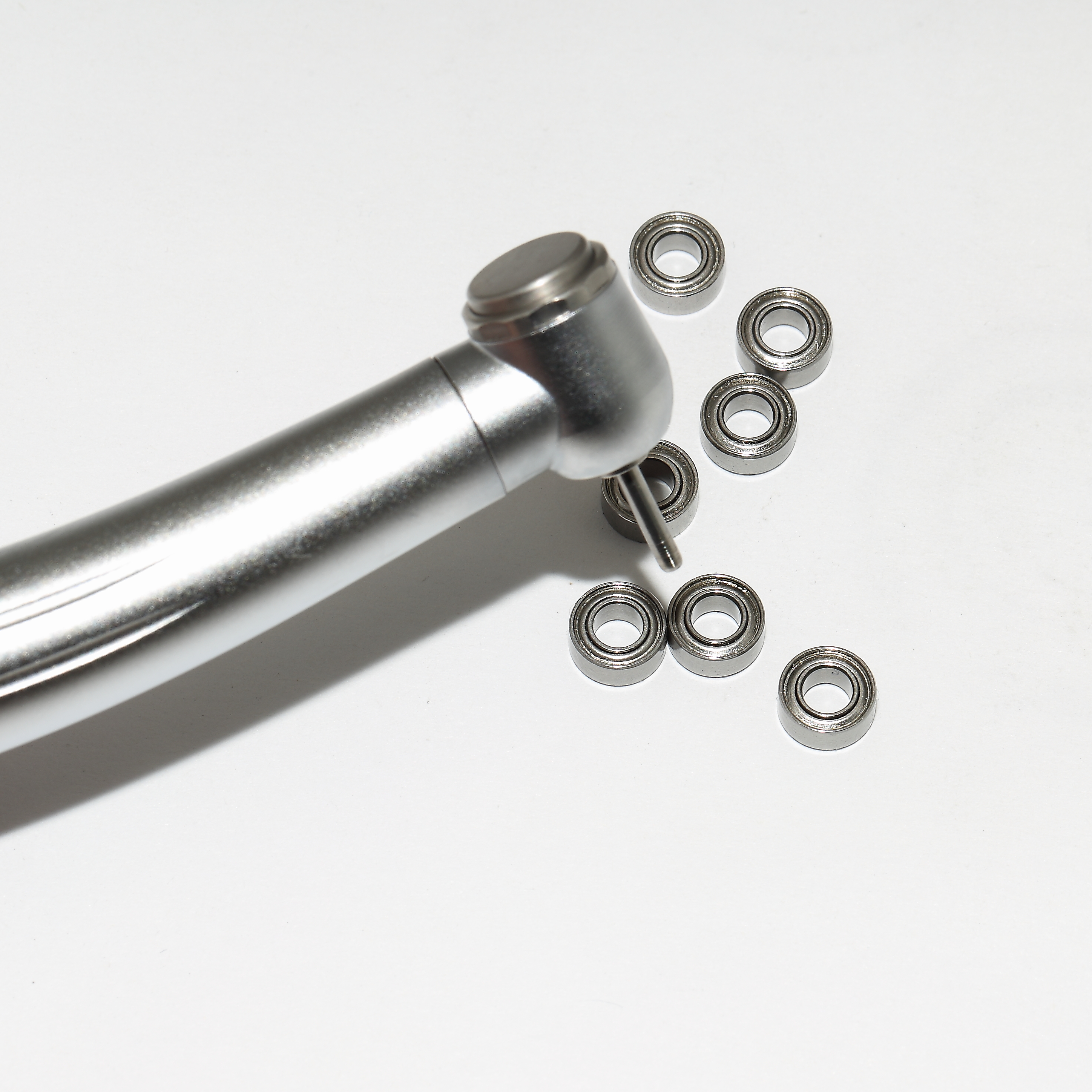
This article builds the diagnostic path around one verified reference part: the INB SMR144ZTLP4 W2.38 miniature bearing, supplied for dental handpiece applications with a declared limiting speed of 350,000-400,000 rpm, P4 precision, SUS440 stainless steel construction, an operating temperature range of -50 °C to 160 °C, and a 3.175 mm ID × 6.35 mm OD × 2.38 mm width envelope. The dimension checks below - including comparison against a 2.38 mm × 4.762 mm × 2.38 mm envelope - exist to separate a fit problem from a genuine thermal limit.
Short answer: verify the envelope and the precision grade before you question the material, and verify the real running speed before you change anything else.
Problem definition: what overheating at 400,000 RPM actually means
Three different conditions are routinely described with the same word, and each one requires a different fix.
1. Designed-in self-heating. A bearing rotating several hundred thousand times per minute generates friction heat as a normal consequence of operation. A handpiece body that becomes warm during a long procedure is not automatically a failing handpiece, and replacing the bearing will not change the physics.
2. Operation at or beyond the declared limiting speed. Limiting speed is the rotational ceiling declared for a specific bearing size, precision grade, cage design and lubrication condition. For the INB SMR144ZTLP4 W2.38 that ceiling is 350,000-400,000 rpm. When a turbine is driven above it, heat is generated faster than the handpiece housing can remove it, and the symptom will repeat across every replacement bearing fitted.
3. Heat generated by fit and preload. If the housing bore, shaft diameter, shoulder position or ring width does not match the drawing, the bearing rings are loaded in a way the design did not intend. Added preload raises friction torque, and friction torque raises temperature - at a speed the bearing is fully rated for.
Two ratings have to be kept apart throughout this diagnosis. Limiting speed describes rotation. Operating temperature range describes the environment that the bearing material and lubricant tolerate; for the SMR144ZTLP4 W2.38 that range is -50 °C to 160 °C. A bearing can sit inside its speed rating and still run hot, just as it can sit inside its temperature rating while the heat is being produced by a fit error rather than by the bearing itself.
Industry background: why dental handpiece bearings sit at the thermal edge
The global miniature ball bearings market was estimated at approximately USD 2.25 billion in 2025, with demand from medical devices and robotics among the drivers (Future Market Insights). Asia Pacific accounted for roughly 60% of 2025 revenue, with China the largest regional producer and consumer (Precedence Research). China's bearing exports grew 7.2% year on year in the first seven months of 2025, reaching nearly 497,852 tons, even as global unit pricing came under pressure (BearingNews / Huajing Research Institute).
Precision for these parts follows internationally recognized systems: ABMA/ABEC grades 1 through 9, ISO 492 classes P0 through P2, and DIN 620, where a higher ABEC number corresponds to a tighter tolerance class (AST Bearings). Dental handpiece and micromotor programs generally work at the P4 end of that scale, because runout converts directly into vibration and heat at high rotational speed.
Material selection follows the operating environment rather than preference. Stainless steel, specifically 440C, is the primary material for miniature bearings used in medical and food-processing applications because of its resistance to moisture and chemicals (SKDIN Engineering Guide). The INB material specified for the SMR144ZTLP4 W2.38 is SUS440.
The global supply base includes manufacturers such as MinebeaMitsumi, NSK, SKF, and Schaeffler (Barden) (Intel Market Research). During evaluation, the operationally useful question is not which manufacturer is largest, but whether the delivered lot matches the speed, precision, material and dimensional specification the turbine was designed around - because that is the variable that changes the temperature at the bur.
Detailed solution: the verified parameters that control heat in a dental handpiece bearing
The INB SMR144ZTLP4 W2.38 is a high-speed stainless steel miniature bearing supplied for dental handpiece applications with these declared parameters:
- Size: 3.175 mm ID × 6.35 mm OD × 2.38 mm width
- Precision: P4
- Limiting speed: 350,000-400,000 rpm
- Operating temperature: -50 °C to 160 °C
- Material: SUS440
- Application: dental handpiece
Each parameter removes a different explanation for the heat, which is why they should be checked in sequence rather than swapped at random.
Precision (P4). A tighter tolerance class reduces radial and axial runout, and lower runout means lower internal friction at high speed. Substituting a lower precision grade into a spindle designed around P4 raises vibration amplitude, and vibration shows up as temperature. Where a handpiece is specified for a high-precision miniature bearing, the grade is a functional requirement rather than a cost option.
Limiting speed (350,000-400,000 rpm). This is the ceiling against which the turbine's free-running speed should be measured. If the measured speed sits at the top of the range or above it, the problem is a rating mismatch rather than a defective unit.
Material (SUS440). Stainless construction protects the raceways against corrosion from repeated cleaning and sterilization. Corrosion pits raise surface roughness, and rougher raceways raise friction, so a dimensionally correct bearing can still run progressively hotter as its working surfaces degrade.
Operating temperature (-50 °C to 160 °C). This window describes what the material and lubricant can tolerate in service. The temperature measured at the housing after a representative duty cycle should be compared with this range, not with the temperature of the bur or of the drive air supply.
Dimensions (3.175 mm × 6.35 mm × 2.38 mm). The 3.175 mm bore and 6.35 mm outside diameter correspond to a 1/8 in × 1/4 in inch-series envelope, and the resulting small radial wall is characteristic of thin-wall miniature bearing construction. Bore, outside diameter and width must all three be confirmed, because an error in any one of them loads the bearing in a direction the design did not intend.
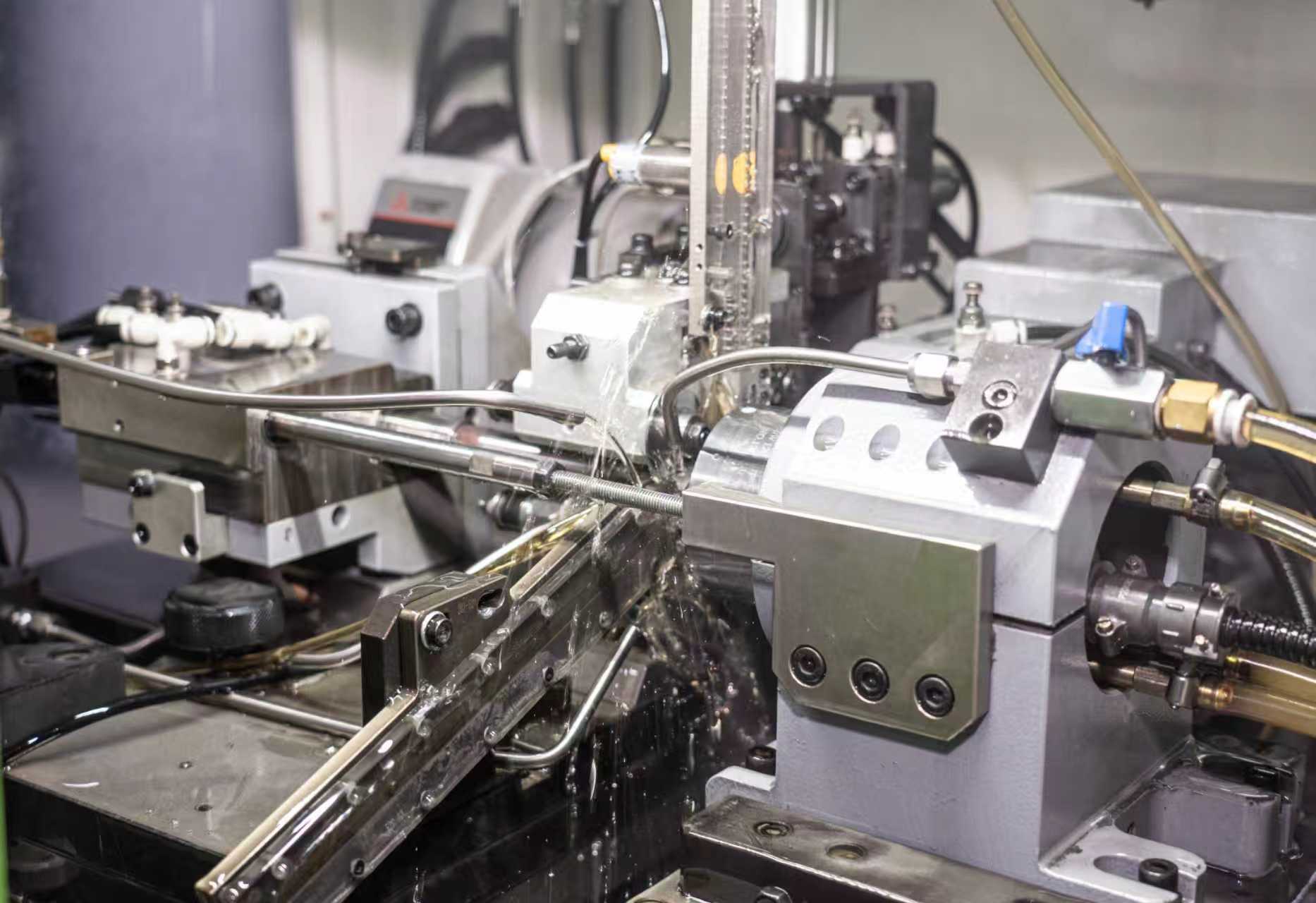
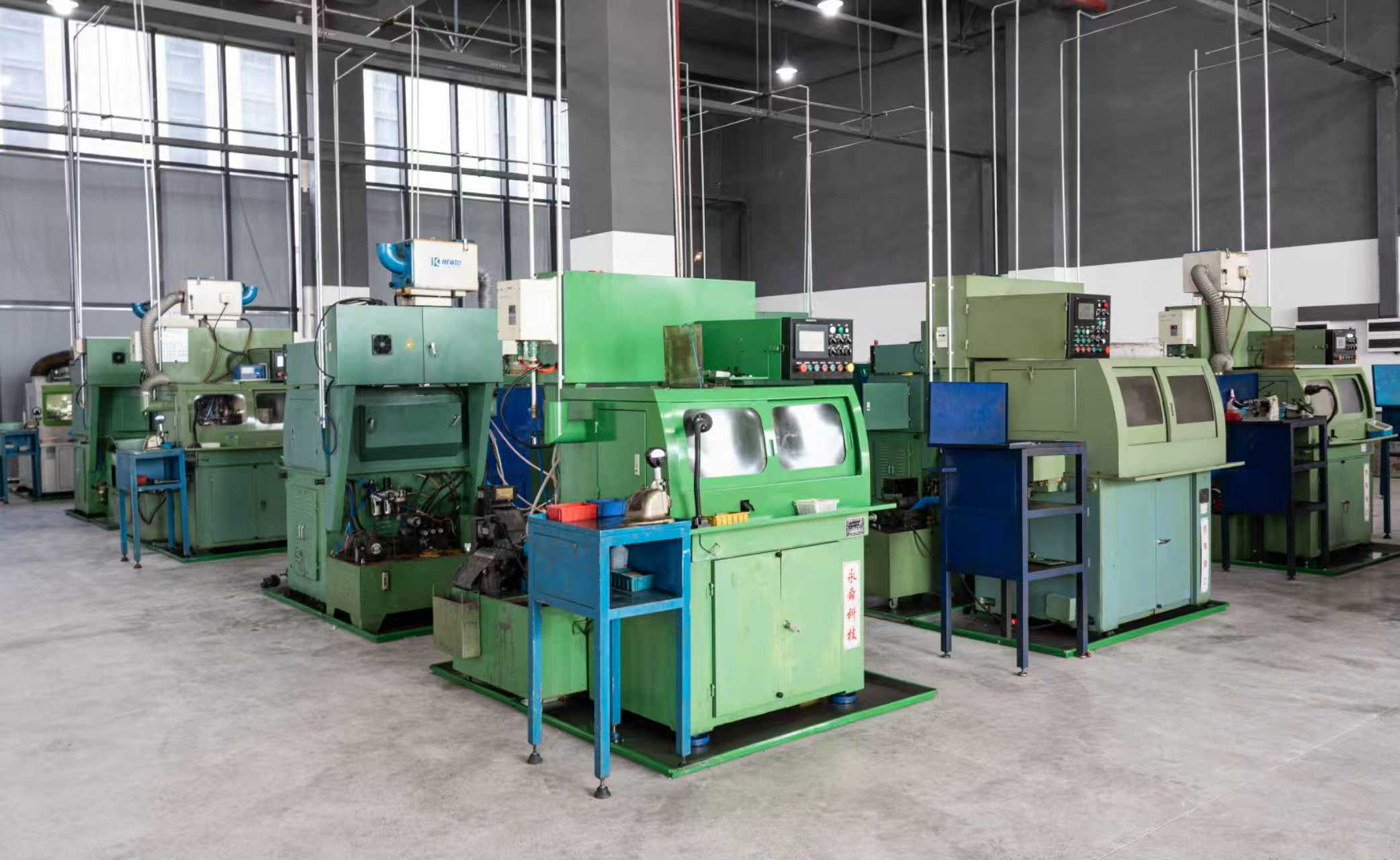
Behind the part number is the manufacturing control that decides whether a delivered lot behaves like the sample. INB produces high-precision standard bearings with bore diameters from 2 mm to 8 mm in precision grades P6 to P4, with 100% testing of output and inspection equipment that includes hardness testers, roundness meters, profilometers, roughness measuring instruments and microscopes. Production follows an ISO 9001 quality management system; the certificate (No. 117 24 QU 0108-07 R1S) was issued by Shanghai Ingeer Certification Assessment Co., Ltd. against GB/T19001-2016 / ISO 9001:2015, with a scope of Manufacture of Bearing and Bearing Parts and validity through 7 July 2027.
Step-by-step breakdown: seven checks that separate fit from thermal limits
Step 1 - Measure the actual running speed, not the nominal speed. Confirm the free-running speed of the assembled handpiece under the air pressure actually used in service. Catalogue numbers describe intended duty; a tachometer reading describes what the bearing is really being asked to do.
Step 2 - Compare the measured speed with the declared limiting speed. For the SMR144ZTLP4 W2.38 the declared limiting speed is 350,000-400,000 rpm. If the measured value sits above that band, stop the diagnosis here: no change of fit, lubricant or material will make an overspeed condition acceptable.
Step 3 - Confirm which precision grade is actually installed. Check the marking and the incoming documentation rather than the purchase order. A high-speed miniature bearing running with excessive runout generates heat through vibration, and the correction is a P4-grade part, not a different lubricant.
Step 4 - Re-measure the dimensional envelope before blaming the material. Measure bore, outside diameter and width and compare them with the turbine drawing. The verified values for the SMR144ZTLP4 W2.38 are 3.175 mm × 6.35 mm × 2.38 mm. If the drawing specifies the smaller envelope of 2.38 mm × 4.762 mm × 2.38 mm, the check must be repeated against those values instead, because the two envelopes are not interchangeable. Forcing a larger ring set into a housing dimensioned for the smaller one is a direct source of axial preload and heat. Where a flanged stainless steel miniature bearing provides axial location, verify the flange seat and shoulder position in the same measurement pass.
Step 5 - Inspect the raceways for corrosion before concluding thermal failure. Repeated cleaning and sterilization expose a miniature bearing to moisture and chemicals. Pitting and discoloration on stainless steel raceways indicate that friction is rising for a chemical reason rather than a thermal one, and the fix is a review of cleaning and lubrication practice.
Step 6 - Compare the measured housing temperature with the bearing's operating window. The verified window for the SMR144ZTLP4 W2.38 is -50 °C to 160 °C. Where a drawing or datasheet quotes a narrower window such as -40 °C to 150 °C, the narrower figure governs the decision.
Step 7 - Verify lubrication and installation practice, then log the result and re-test. Record speed, envelope measurements, grade, temperature and duty cycle for each unit so that the next repair starts from data instead of from a replacement part. This is also the point at which a motor miniature bearing used in a handpiece drive or micromotor should be checked against the same criteria.
Use cases: where this diagnostic sequence is applied
The sequence fits any program where a small bearing is expected to deliver long service at high speed.
Dental handpiece turbine production and repair. This is the primary case. A turbine that has been rebuilt with a bearing of the correct part number but the wrong precision grade will reproduce the original heat complaint within a short service interval.
Verified field case - dental handpieces, medical device customer in China. A project involving 80,000 units used in dental handpieces recorded 500 hours of operation with stable high-speed operation and extended equipment lifespan. The same application relies on ultra-high speed, P4 precision and medical-grade reliability, which is why the checks above are run before shipment rather than after complaint.
Micromotor and medical device programs. INB miniature bearings primarily serve the domestic medical device industry and micro-motors. The same logic - speed ceiling first, precision second, envelope third, material fourth - applies to any of these units that runs fast enough for friction heat to matter.
Comparison table: verified values and what each one rules out
| Parameter | Verified value (INB SMR144ZTLP4 W2.38) | What it tells you when a handpiece runs hot |
|---|---|---|
| Bore (ID) | 3.175 mm | Confirms shaft fit; a loose or tight bore loads the inner ring and raises friction |
| Outside diameter (OD) | 6.35 mm | Confirms housing fit; an incorrect bore squeezes the outer ring |
| Width (W) | 2.38 mm | Confirms axial space; a wrong width clamps the rings and adds preload |
| Precision | P4 | Rules out runout-driven vibration as a heat source |
| Limiting speed | 350,000-400,000 rpm | Rules out overspeed; measured speed above the band is a rating problem |
| Operating temperature | -50 °C to 160 °C | Sets the window for comparing measured housing temperature |
| Material | SUS440 | Addresses corrosion-driven friction after repeated sterilization |
| Application | Dental handpiece | Defines the intended duty cycle for the heat diagnosis |
| Quality system | ISO 9001, certificate No. 117 24 QU 0108-07 R1S, scope Manufacture of Bearing and Bearing Parts, valid to 7 July 2027 | Provides traceability that the delivered lot was produced under a certified system |
The same information can be used in the opposite direction - as a decision matrix that maps a symptom to the first check it should trigger.
| Symptom | First check | Likely cause | Corrective action |
|---|---|---|---|
| Hot at free-running speed, no load | Measured rpm vs 350,000-400,000 rpm | Speed above the declared limiting speed | Correct the drive speed or specify a bearing rated for the duty |
| Heat appears right after a new bearing is fitted | Bore, OD and width vs drawing | Fit error creating axial preload | Re-check housing bore, shaft and shoulder dimensions |
| Vibration together with heat | Installed precision grade | Lower precision grade substituted for P4 | Return to P4-grade high-speed miniature bearing |
| Temperature creeping up over service life | Raceway surface condition | Corrosion or lubricant breakdown | Review cleaning, drying and lubrication practice |
| Heat persists with correct fit, grade and speed | Measured housing temperature vs operating window | Duty cycle exposes the bearing to its thermal limit | Shorten the duty cycle or improve heat removal |
FAQ
What certification should a buyer look for on a dental handpiece miniature bearing supplier?
The relevant baseline is a certified quality management system with a scope that explicitly covers bearing manufacture. INB operates under an ISO 9001 system certified by Shanghai Ingeer Certification Assessment Co., Ltd. against GB/T19001-2016 / ISO 9001:2015, certificate No. 117 24 QU 0108-07 R1S, with the scope Manufacture of Bearing and Bearing Parts and validity to 7 July 2027. On the technical side, precision should be quoted against a recognized tolerance framework - ABMA/ABEC, ISO 492 or DIN 620 - so that a P4 claim can be checked against a published class.
Can P4 miniature bearings be customized for a specific handpiece design?
Yes. INB works in OEM mode and customizes according to customer requirements, covering standard high-precision bearings with bore diameters from 2 mm to 8 mm in precision grades P6 to P4. Quality control is 100% testing, and inspection is supported by hardness testers, roundness meters, profilometers, roughness measuring instruments and microscopes, with a dedicated engineering team that includes senior bearing engineers. Monthly capacity is 500,000 units.
What determines the cost of a P4 dental handpiece bearing?
Cost follows the specification rather than the part number alone. The parameters that move it are the precision grade (P4 versus P6), the material - SUS440 stainless steel in this case - the scope of 100% testing, the amount of customization required, and order volume. The minimum order quantity is 100 units, and stock items are quoted with a 7-day lead time, which makes it practical to price a validation lot separately from a production run.
Can engineers validate a bearing before committing to production volume?
Validation lots are the normal starting point. As a reference, a medical device project in China used 80,000 units of this bearing in dental handpieces and recorded 500 hours of operation with stable high-speed operation and extended equipment lifespan. Because the minimum order quantity is 100 units and in-stock items carry a 7-day lead time, a first batch can be fitted and measured against the seven checks above before a larger commitment is made.
What is the lead time and supply capacity behind these bearings?
In-stock items are quoted at a 7-day lead time, with a monthly production capacity of 500,000 units and an annual output of 6,000,000 units. Export production serves markets including Russia, after-sales support covers return and exchange, and the manufacturing base is in Ningbo, Zhejiang Province. To request a sample, a quotation or the current catalog for the SMR144ZTLP4 W2.38 and related miniature bearing models, contact INB through www.lnb-brg.com or by email at yuhang001@126.com.
Conclusion
Overheating in a dental handpiece bearing is a measurement problem before it is a parts problem. The order that works is fixed by the physics: confirm that the turbine is inside the declared limiting speed of 350,000-400,000 rpm, confirm that the installed grade is genuinely P4, confirm that the bore, outside diameter and width match the drawing - 3.175 mm × 6.35 mm × 2.38 mm for the SMR144ZTLP4 W2.38, or the smaller 2.38 mm × 4.762 mm × 2.38 mm envelope if that is what the turbine takes - and only then examine material and lubrication as thermal or corrosion issues against the -50 °C to 160 °C operating window.
Run in that sequence, the checks separate a fit problem from a thermal limit, and each repair produces data that the next repair can start from.
Next step: validate before you commit
INB supplies P4 miniature bearings for dental handpiece, micromotor and medical device programs, with 100% testing, a 100-unit minimum order and a 7-day lead time on stock items.
Request a sample or quotation for the SMR144ZTLP4 W2.38: www.lnb-brg.com | Email: yuhang001@126.com | WhatsApp: +86 18957446001
Ningbo City Jingyin Electromechanical Technology Co., Ltd. - Building 9, Beikun Industrial Area, No. 2288 Yongmao West Road, Zhuangqiao Street, Jiangbei District, Ningbo City.
Have Questions or Need More Details?
Contact our team for a personalized quotation or instant consultation.
Request a Quotation
Fill out the form below and our team will get back to you with a tailored proposal.
WhatsApp Direct Chat
Prefer to chat in real-time? Message us on WhatsApp for instant assistance & quick answers.
- Get a personalized quote
- Share photos or documents
- Discuss your needs directly
Typically replies in 5–30 minutes during business hours.