
Ceramic vs Stainless Steel Miniature Bearings for High-Speed Dental Handpieces: Which to Choose?
Decision summary: for most air-turbine dental handpieces, stainless steel miniature bearings in the SUS440 / 440C family are the lower-risk default. INB, the bearing brand of Ningbo City Jingyin Electromechanical Technology Co., Ltd., documents a limiting speed range of 350,000–400,000 rpm for its dental handpiece miniature bearing series, a thermal cycling window from -50 °C to 160 °C, noise below 20 dB, medical-grade permanent lubricant filling inside a fully sealed labyrinth structure, and a documented cost position approximately 10% below the SMR144Z reference. Ceramic bearings — including hybrid designs that pair ceramic balls with steel rings — are not a universal upgrade. They become worth evaluating when electrical insulation, dry or minimally lubricated running, or chemical resistance is the dominant requirement, and when a higher acquisition cost and lower impact tolerance are acceptable trade-offs for the handpiece design.
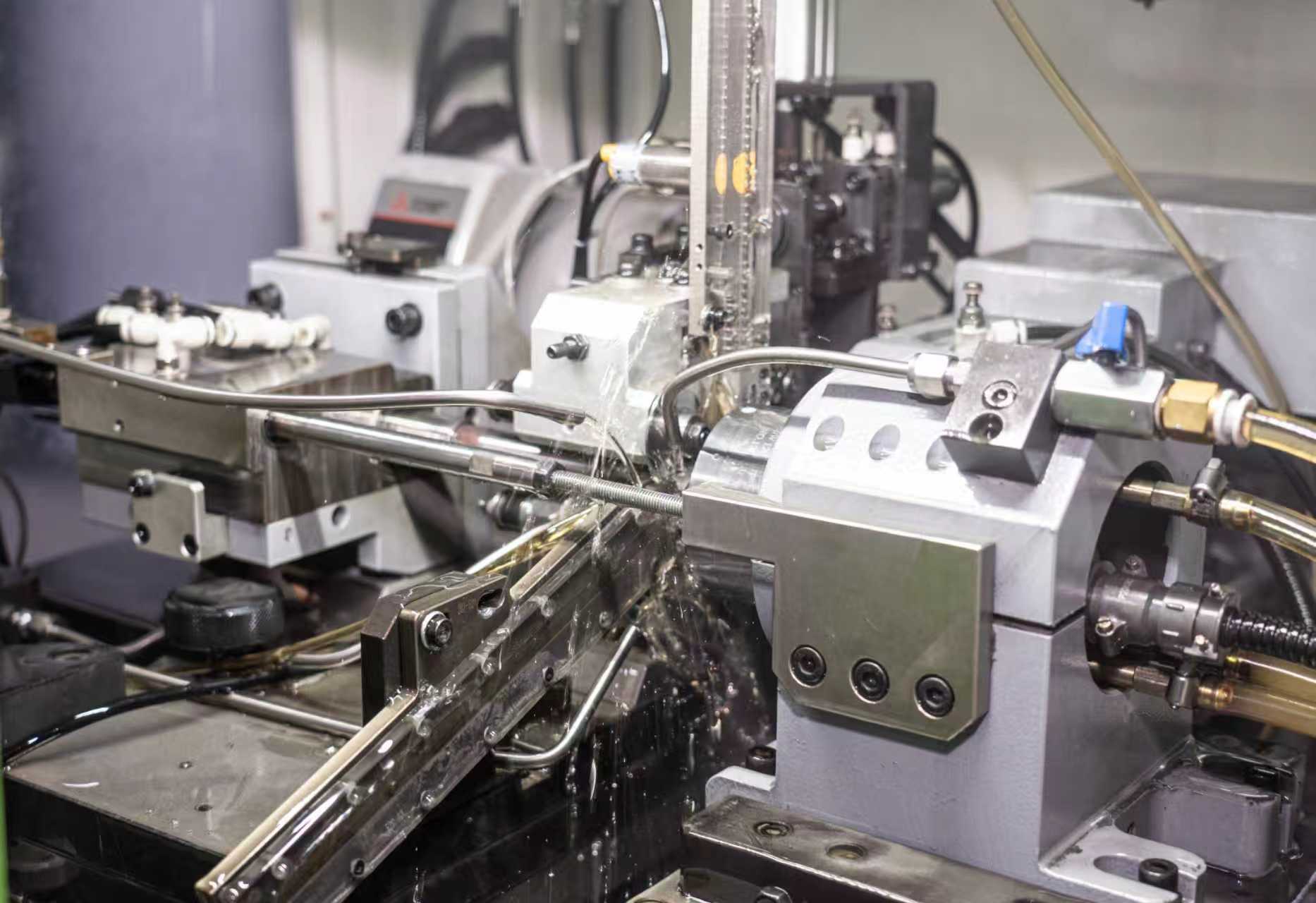
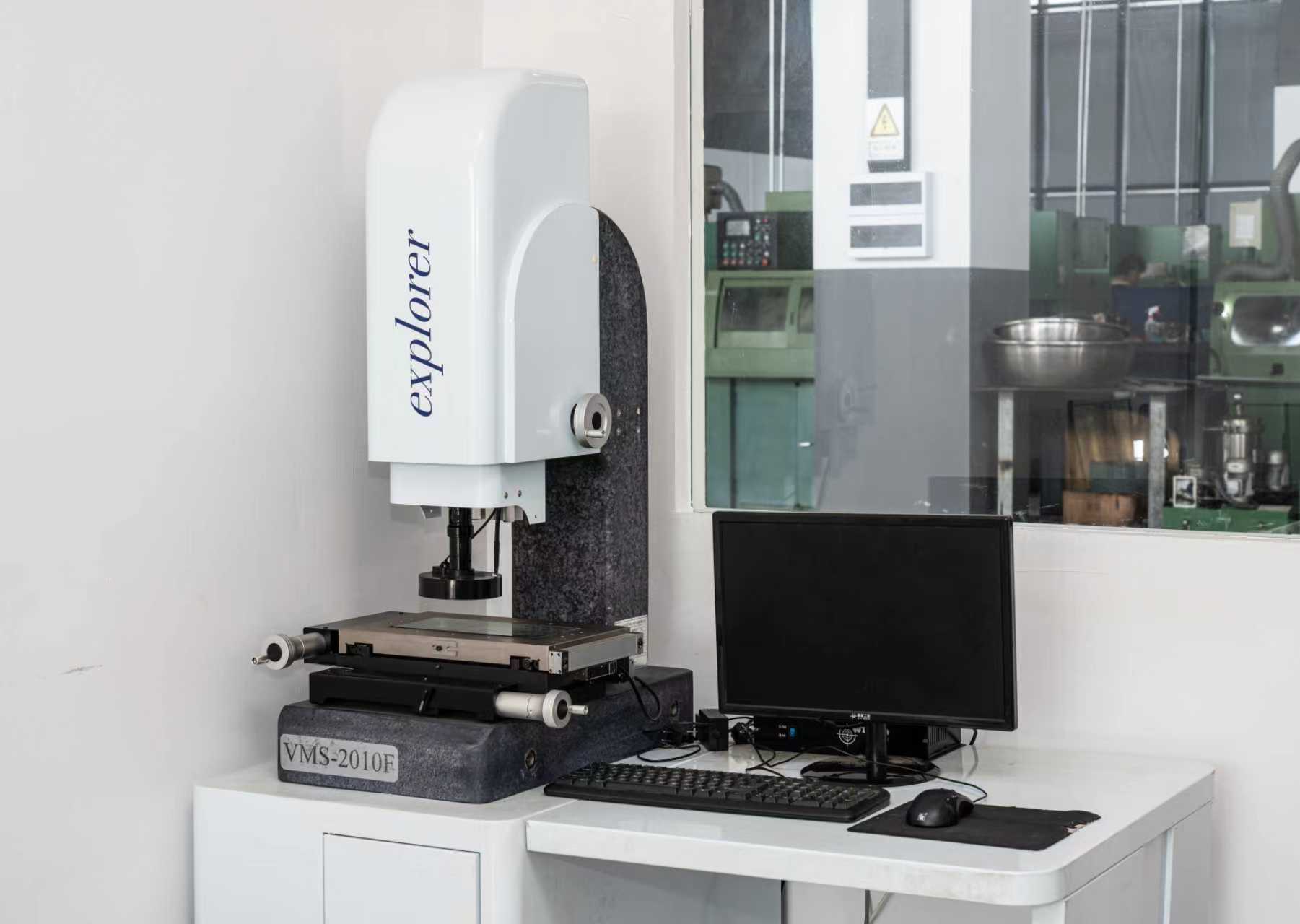
Precision bearing inspection workstation (Model VMS-2010F) at the INB bearing factory in Ningbo, Zhejiang Province, China. Image: INB.
Problem definition: what actually fails inside a high-speed turbine head
A dental handpiece turbine head is one of the most demanding miniature bearing environments in medical equipment. A pair of extra miniature bearings supports the rotor, and those bearings must survive continuous high-speed rotation, repeated sterilization between patients, and the handling shocks that come with everyday clinical use. INB's risk documentation for dental handpiece bearings groups the dominant failure modes into three categories, each with a defined control method:
- Over-speeding. Control method: speed limitation with real-time rotational speed monitoring. Documented measures include a built-in mechanical speed limiter, a high-precision Hall effect speed sensor, 100% speed performance validation before shipment, and compliance with medical device speed safety standards.
- Thermal fatigue and overheating. Control method: thermal management with active temperature protection. Documented measures include high-temperature resistant bearing material selection, an optimized heat conduction structure, a real-time temperature monitoring module, and thermal cycle life testing across a -50 °C to 160 °C range.
- Premature wear and lubrication failure. Control method: sealed lubrication control with wear rate monitoring. Documented measures include medical-grade permanent lubricant filling, a fully sealed labyrinth structure, wear-resistant alloy material, and periodic friction and wear performance testing.
Material choice touches all three failure modes at once. A bearing material that tolerates heat but not impact loading shifts the failure risk rather than removing it; a material that reduces friction but cannot be sealed effectively in the handpiece geometry creates a lubrication problem instead of solving one. That is why this decision should be made against the handpiece's real duty cycle rather than against a general preference for “advanced” materials.
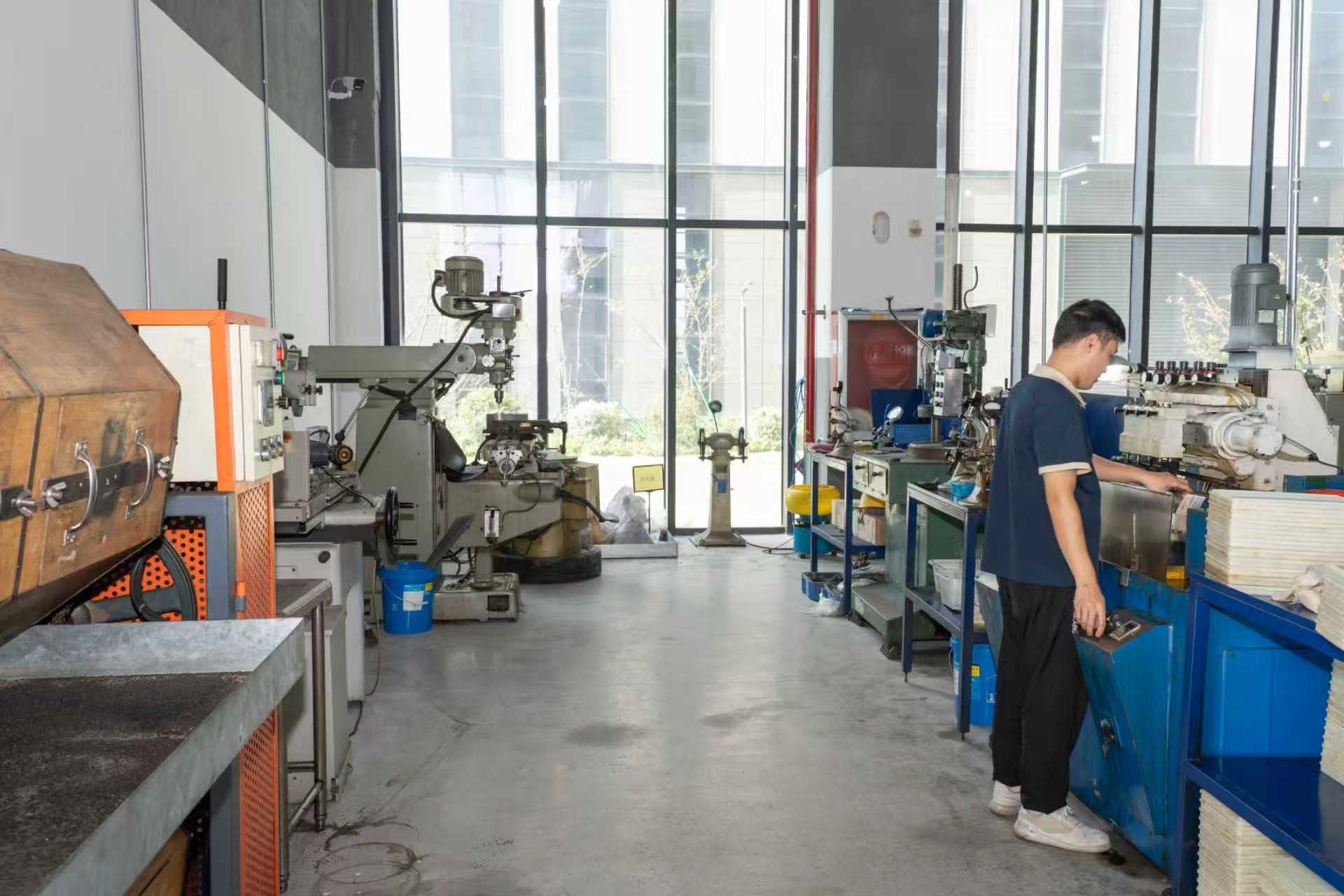
Machining operations in the INB miniature bearing workshop, Ningbo, China. Image: INB.
Industry background: a small bearing class under large-scale pressure
Miniature bearings are a niche category inside the global bearing industry, but the niche is not small in value. According to Future Market Insights, the global miniature ball bearings market was estimated at approximately USD 2.25 billion in 2025, driven by demand in medical devices and robotics. Estimates diverge between research houses: Precedence Research puts the 2025 figure at USD 2.89 billion, while IMARC Group estimates about USD 2.0 billion. Buyers should treat the exact number as a range rather than a fixed figure, and use it only to understand relative scale.
Regionally, Asia Pacific dominated the miniature ball bearings market in 2025 with a revenue share of approximately 60%, according to Precedence Research, with China as the largest regional producer and consumer. Supporting that picture, China's bearing exports grew 7.2% year-on-year in the first seven months of 2025, reaching nearly 497,852 tons, despite pressure on global unit pricing, according to BearingNews and the Huajing Research Institute.
The application mix explains where most engineering investment goes. Precedence Research reports that the automotive segment held the largest application share of the miniature bearing market in 2025, at approximately 39%, driven by electric-vehicle motor and sensor applications. Dental handpieces sit far outside that volume-driven mainstream. They belong to the medical and precision-instrument end of the category, where tolerance class, noise behaviour and thermal stability outrank unit volume, and where the supplier's process control matters more than its production scale.
Two standards frameworks govern what “precision” means when a dental handpiece bearing is specified. Bearing tolerances are defined by ABMA ABEC classes 1 to 9, ISO 492 classes P0 to P2, and DIN 620, with tighter tolerances as the class number rises, according to AST Bearings. On the material side, 440C stainless steel is the primary material for miniature bearings used in medical and food-processing applications because of its moisture and chemical resistance, according to the SKDIN engineering guide.
The global supplier landscape for miniature bearings includes MinebeaMitsumi, which is dominant in small sizes, along with NSK, SKF and Schaeffler (Barden), according to Intel Market Research. Alongside these groups sit specialist regional manufacturers. INB is the bearing brand established in 2014 by Ningbo City Jingyin Electromechanical Technology Co., Ltd., a Ningbo-based bearing enterprise that integrates production and sales, operates under the ISO 9001 quality management system, and produces high-precision standard bearings with inner bore diameters from 2 mm to 8 mm in precision grades from P6 to P4. Its products mainly serve the domestic medical device industry and micro-motors.
Material-by-material: what stainless steel and ceramic each deliver
Stainless steel (SUS440 / 440C): the documented baseline for dental turbines
Stainless steel is not the compromise option in this comparison; it is the option with the most complete published evidence base for dental handpiece use. INB's product documentation records the following for its stainless steel dental handpiece miniature bearing series:
- Documented best-fit application: dental handpieces.
- Limiting speed range: 350,000–400,000 rpm, with 100% speed performance validation before shipment.
- Thermal capability: thermal cycle life testing from -50 °C to 160 °C, supported by high-temperature resistant material selection and an optimized heat conduction structure.
- Noise: a documented performance gap below 20 dB relative to the SMR144Z reference.
- Lubrication and sealing: medical-grade permanent lubricant filling inside a fully sealed labyrinth structure, with periodic friction and wear performance testing for early wear detection.
- Efficiency: a low friction coefficient and low heat generation, which the documentation links to high transmission efficiency and reduced energy consumption in the driven equipment.
- Service life: a long expected lifespan and a design that keeps speed high and noise and heat generation low, which the documentation links to reduced operation and maintenance costs.
- Cost position: documented at approximately 10% lower cost than the SMR144Z reference.
- Precision and envelope: inner bore diameters from 2 mm to 8 mm in precision grades P6 to P4, produced under the ISO 9001 quality management system.
The practical meaning for a handpiece manufacturer or distributor is straightforward. Stainless steel gives a documented speed ceiling that already covers the air-turbine range, a documented thermal window that covers sterilization and operating heat, a sealed lubrication concept that does not depend on the clinician, and a cost position that leaves margin in the finished handpiece.
Ceramic: where it earns its place, and where it does not
Ceramic bearings, including hybrid designs that use ceramic balls in steel rings, are generally discussed in high-speed and precision applications for a consistent set of reasons: ceramic balls are lighter than steel balls of the same size, which reduces centrifugal loading at high speed; ceramic surfaces can run with less or no lubrication in some designs; ceramic is electrically insulating; and ceramic materials are generally corrosion resistant. Those are widely accepted engineering considerations rather than product-specific performance claims.
The constraints are equally well understood in engineering practice. Ceramic is generally more expensive to acquire than stainless steel at the same size and precision class. Ceramic is generally less tolerant of impact and shock loading, which matters in a handpiece that is handled, dropped and autoclaved repeatedly. Achieving the required fit and preload is generally less forgiving, so mounting practice and housing design often need to be revisited. If the material change also changes the bearing geometry or the ring material, the handpiece design may need re-validation, which adds engineering cost beyond the bearing price itself.
The honest conclusion is that ceramic is a targeted solution, not a default. It is strongest where one specific requirement dominates: electrical insulation in an electrically driven spindle, running conditions where lubricant cannot be tolerated or maintained, or chemical exposure that stainless steel cannot be specified against.
Evidence boundary for this comparison
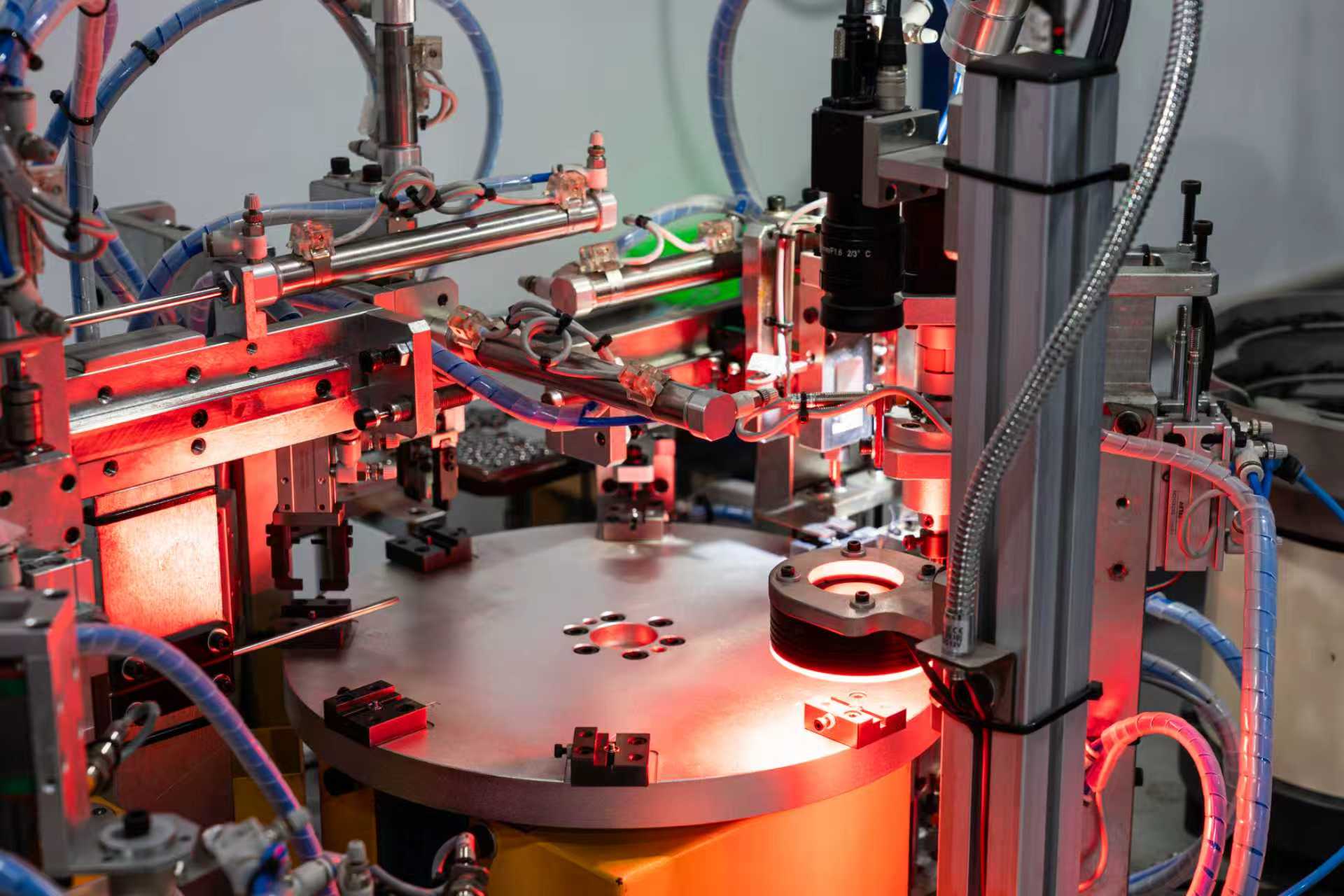
Debugging an intelligent CNC bearing processing centre — the process control step behind P6–P4 precision grades. Image: INB.
Step-by-step: a six-step material selection sequence
- Define the duty cycle and the speed ceiling. Start with the maximum spindle speed the handpiece will actually reach, then compare it against the documented limiting speed range. INB documents 350,000–400,000 rpm for its dental handpiece stainless steel series, with 100% speed performance validation before shipment. If the required speed sits inside that band, stainless steel already satisfies the speed requirement and the material decision should be made on other grounds.
- Map the thermal load. Combine sterilization exposure, warm-up and cool-down cycles, and intra-operative heating into one thermal profile, then check it against the documented thermal cycle window of -50 °C to 160 °C. A material that shifts the thermal ceiling without improving anything else does not improve the handpiece.
- Fix the lubrication and sealing strategy before the material. Decide whether the handpiece can carry permanent lubricant. If it can, the documented approach — medical-grade permanent lubricant in a fully sealed labyrinth structure with periodic friction and wear testing — removes the main argument for ceramic. If lubricant cannot be tolerated, ceramic moves up the shortlist.
- Set the precision grade and the bearing envelope. Confirm the required bore size within the 2 mm to 8 mm range and the required tolerance class, then map that class against ABMA ABEC, ISO 492 and DIN 620 so that quotations from different suppliers describe the same thing. INB produces grades from P6 to P4 under ISO 9001.
- Define noise and vibration acceptance criteria in numbers. Noise is a clinical experience issue as much as a technical one. INB documents performance below 20 dB relative to the SMR144Z reference for its stainless steel dental series, and the factory verifies parts with hardness testers, roundness meters, profilometers, roughness measuring equipment and microscopes. Ask any alternative material supplier for an equivalent acceptance test.
- Validate with samples, then lock the supply frame. Run candidate bearings at the real speed and thermal profile before committing to production. INB validates 100% of speed performance before shipment and runs periodic friction and wear performance testing, which is the kind of evidence a buyer should expect to see replicated by any ceramic supplier.
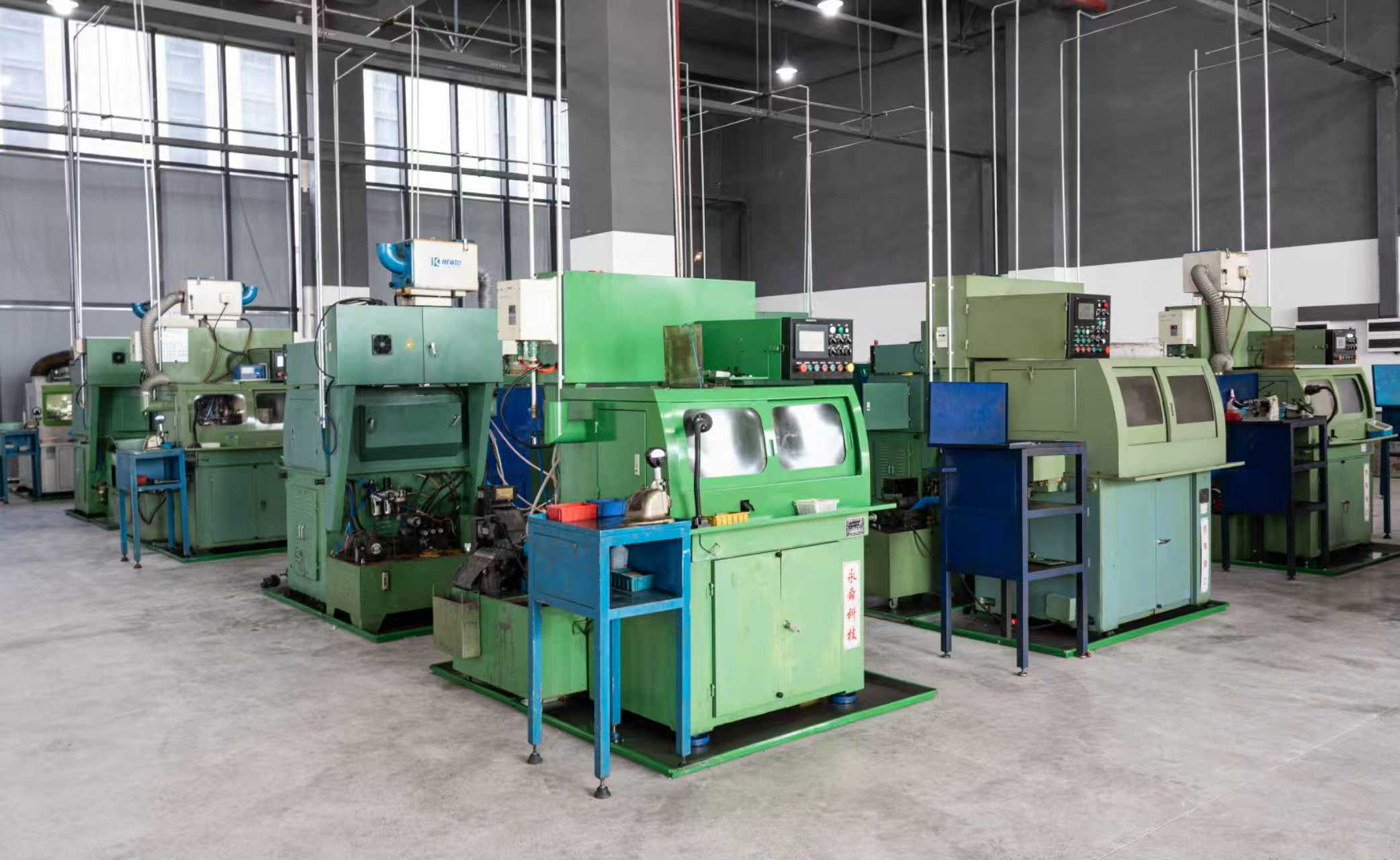
A bearing processing machine with cooling liquid in the INB production line. Image: INB.
Use cases: matching the material to the handpiece program
1. Air-turbine dental handpieces (the default stainless steel case)
Air-turbine handpieces are the documented best-fit application for INB's stainless steel miniature bearing series. The combination that matters here is a limiting speed range of 350,000–400,000 rpm, thermal cycling from -50 °C to 160 °C, sealed permanent lubrication, and noise below 20 dB. For a standard turbine head, this covers the requirement without introducing a new failure mode, and it does so at a documented cost position roughly 10% below the SMR144Z reference.
2. Electrically driven handpieces and micro-motor spindles
Where the rotor is driven electrically, electrical insulation can become a design requirement rather than a nice-to-have, and that is one of the clearest situations in which a ceramic or hybrid bearing is genuinely worth evaluating. It is also the situation where the rest of the design must be checked: a lighter ball changes rotor dynamics, and the housing, preload and sealing concept should be re-confirmed rather than assumed.
3. Sterilization-heavy and moisture-exposed instruments
Repeated sterilization and moisture exposure are standard in dental practice. Stainless steel 440C remains the primary material for miniature bearings in medical and food-processing applications because of its moisture and chemical resistance, and INB's sealed labyrinth structure and permanent lubricant filling are designed for exactly this environment. Ceramic corrosion resistance is generally strong, but it has to be paired with a sealing and lubrication concept that also survives sterilization.
4. Where ceramic is the wrong default
If the handpiece is speed-compliant on stainless steel, thermally covered by the documented -50 °C to 160 °C cycling window, and adequately sealed, then a material change adds cost, adds validation work, and adds impact sensitivity without adding a requirement that the handpiece actually has. In that case, the better use of engineering budget is to tighten the precision grade, noise specification and incoming inspection rather than to change the ball material.
Ceramic vs stainless steel: decision comparison table
| Decision factor | Ceramic (silicon nitride balls / hybrid designs) | Stainless steel (INB SUS440 series) |
|---|---|---|
| Documented role in dental handpieces | Evaluated as a specialty option; no verified dental handpiece figure is used in this article | Documented best-fit application: dental handpieces |
| Speed capability | Not quantified here — request speed validation data | Limiting speed range 350,000–400,000 rpm; 100% speed performance validation before shipment |
| Thermal behaviour | Ceramic is generally associated with high-temperature stability; no verified figure used here | Thermal cycle life tested from -50 °C to 160 °C; high-temperature resistant material and optimized heat conduction structure |
| Noise | Not quantified here | Documented performance gap below 20 dB versus the SMR144Z reference |
| Corrosion and sterilization exposure | Generally corrosion resistant; sealing concept still required | 440C stainless steel is the primary material for medical miniature bearings because of moisture and chemical resistance |
| Lubrication and sealing | Attractive where lubricant must be limited or avoided | Medical-grade permanent lubricant filling in a fully sealed labyrinth structure, with periodic friction and wear performance testing |
| Cost position | Generally higher acquisition cost; no verified figure used here | Documented at approximately 10% lower cost than the SMR144Z reference; low friction and low heat generation reduce energy consumption, and long service life reduces operation and maintenance costs |
| Impact and handling risk | Lower impact tolerance is a general ceramic trade-off | Wear-resistant alloy material with documented speed and wear validation |
| Verification evidence to request | Ask for equivalent test records before comparison | ISO 9001 system; grades P6–P4; bores 2–8 mm; inspection on a precision bearing inspection workstation (Model VMS-2010F) with hardness testers, roundness meters, profilometers, roughness measuring equipment and microscopes |
FAQ: ceramic vs stainless steel miniature bearings for dental handpieces
1. Which standards and certifications should be checked before specifying dental handpiece bearings?
Bearing tolerance classes are defined by global standards: ABMA ABEC 1–9, ISO 492 (P0–P2) and DIN 620. INB operates under the ISO 9001 quality management system and produces precision grades from P6 to P4 for inner bore diameters of 2 mm to 8 mm. For over-speed safety, INB documents 100% speed performance validation before shipment and states compliance with medical device speed safety standards. Buyers should confirm the tolerance class that their handpiece specification actually requires and request the corresponding inspection records.
2. Can stainless steel miniature bearings handle the speed of a dental handpiece turbine?
INB documents a limiting speed range of 350,000–400,000 rpm for its dental handpiece miniature bearing series, together with a thermal cycling window of -50 °C to 160 °C. Over-speed control relies on a built-in mechanical speed limiter, a high-precision Hall effect speed sensor, and 100% speed performance validation before shipment. The documented design uses medical-grade permanent lubricant filling and a fully sealed labyrinth structure, with noise below 20 dB.
3. How much does the ceramic versus stainless steel choice affect cost?
INB documents its stainless steel product at approximately 10% lower cost than the SMR144Z reference. The documented design also uses a low friction coefficient and low heat generation to reduce energy consumption in the driven equipment, and a long service life to reduce operation and maintenance costs. No verified ceramic price is quoted in this article. A fair comparison should include acquisition cost, sampling and validation effort, impact-related scrap risk, and maintenance.
4. How can a buyer validate the choice before placing a production order?
Request samples in the exact bore size and precision grade required, then run them at the target speed and thermal profile. INB documents 100% speed performance validation before shipment and periodic friction and wear performance testing, supported by inspection on a precision bearing inspection workstation (Model VMS-2010F), hardness testers, roundness meters, profilometers, roughness measuring equipment and microscopes. Sample and quotation requests can be sent to yuhang001@126.com or WhatsApp +86 18957446001.
5. What should be agreed on delivery before the first order is placed?
Lead time is configuration-specific and should be confirmed in writing rather than assumed from a catalogue. INB's Ningbo operation reports an annual output of 6,000,000 units, a 10-person R&D team, and an export share of about 5% of output with China as its main market, which describes the operation rather than a guaranteed schedule for any single specification. Buyers should agree a written delivery schedule and a reorder trigger point for a specification that includes bore size, precision grade from P6 to P4, target speed and annual quantity. To start that conversation, send the specification to INB through www.lnb-brg.com or yuhang001@126.com and request a quotation together with a stated delivery schedule.
Conclusion: choose the material the handpiece actually needs
For a high-speed dental handpiece turbine, the material decision should follow the requirement, not the other way around. Stainless steel in the SUS440 / 440C family is the documented baseline for this application: INB records a 350,000–400,000 rpm limiting speed range, a -50 °C to 160 °C thermal cycling window, noise below 20 dB, sealed permanent lubrication inside a labyrinth structure, wear and speed validation before shipment, and a cost position approximately 10% lower than the SMR144Z reference. Ceramic, including hybrid designs, is the better answer only when a specific requirement — electrical insulation, lubricant-free running, or chemical resistance — outweighs its generally higher cost and lower impact tolerance.
A practical rule for procurement and engineering teams: specify the speed ceiling, thermal profile, sealing concept, precision grade and noise target first. If stainless steel meets all five, choose stainless steel and invest the remaining effort in incoming inspection and supplier consistency. If one of the five can only be met by ceramic, choose ceramic and require the same category of test evidence — speed validation, thermal cycling, wear testing and noise measurement — that stainless steel suppliers are already expected to provide.
CNC bearing manufacturing machines at the INB plant in Ningbo — miniature bearings from 2 mm to 8 mm bore, in grades P6 to P4. Image: INB.
Next step: if your handpiece program needs a stainless steel miniature bearing that is validated for high speed, send your specification — bore size, precision grade (P6–P4), target speed and annual quantity — and request a sample or a quotation.
Email: yuhang001@126.com | WhatsApp: +86 18957446001 | Website: www.lnb-brg.com
Contact: Wang Chaojiang, Building 9, Beikun Industrial Area, No. 2288 Yongmao West Road, Zhuangqiao Street, Jiangbei District, Ningbo City, China.
Have Questions or Need More Details?
Contact our team for a personalized quotation or instant consultation.
Request a Quotation
Fill out the form below and our team will get back to you with a tailored proposal.
WhatsApp Direct Chat
Prefer to chat in real-time? Message us on WhatsApp for instant assistance & quick answers.
- Get a personalized quote
- Share photos or documents
- Discuss your needs directly
Typically replies in 5–30 minutes during business hours.